Last updated November 21, 2026
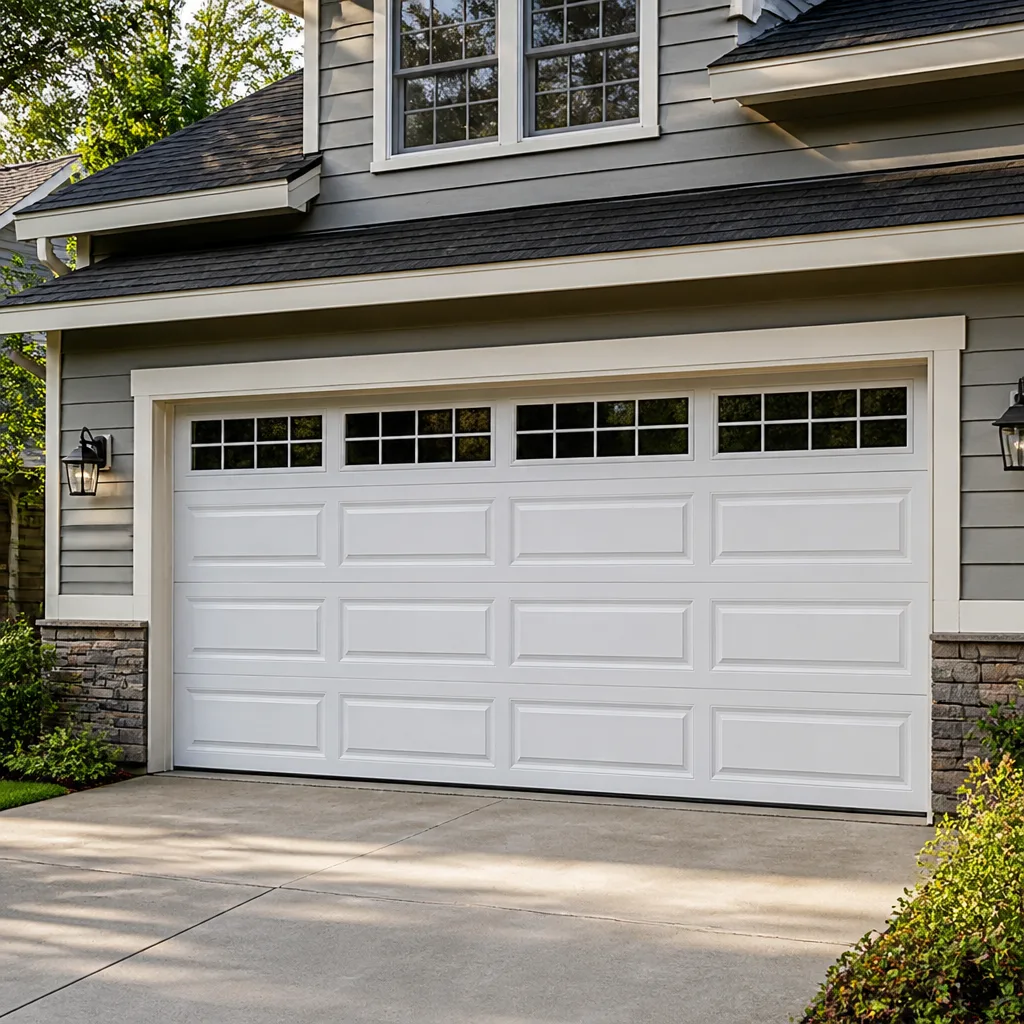 Raised-panel steel
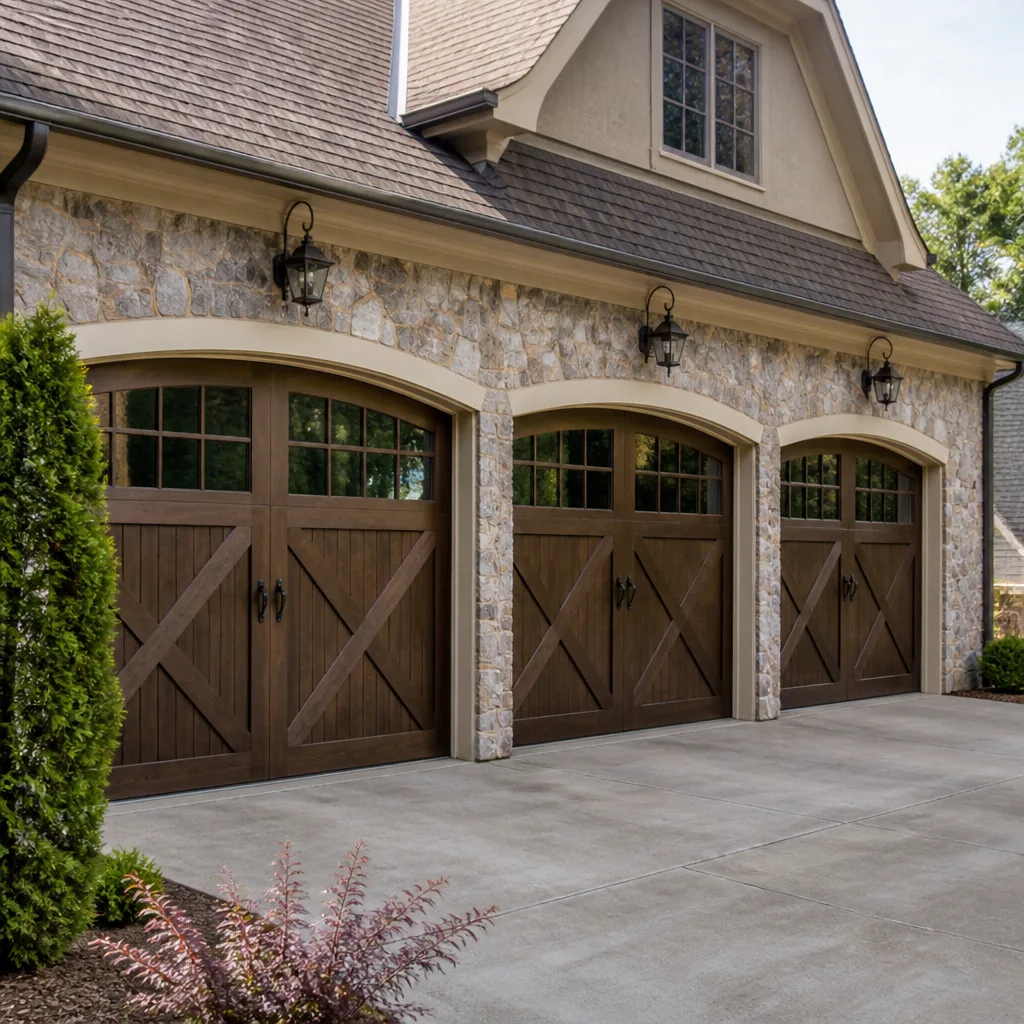 Carriage house
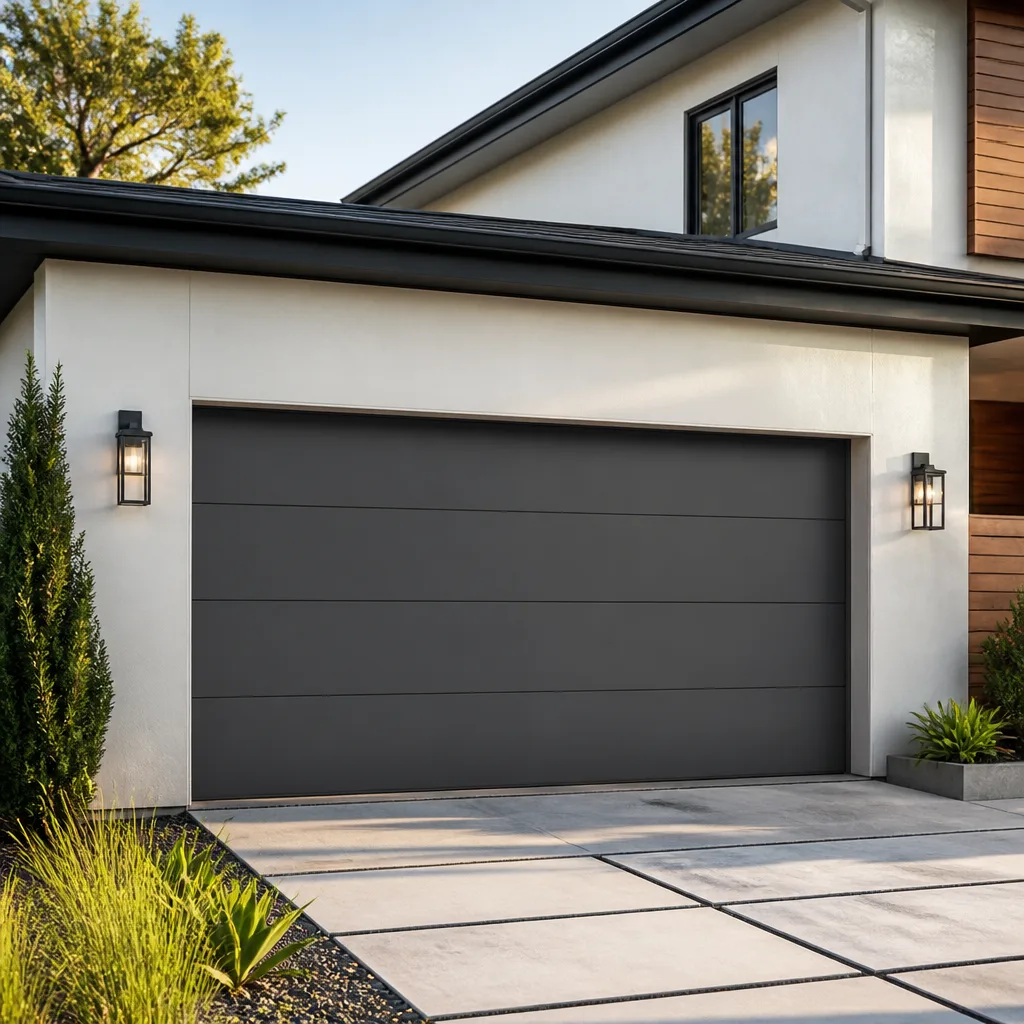 Modern flush
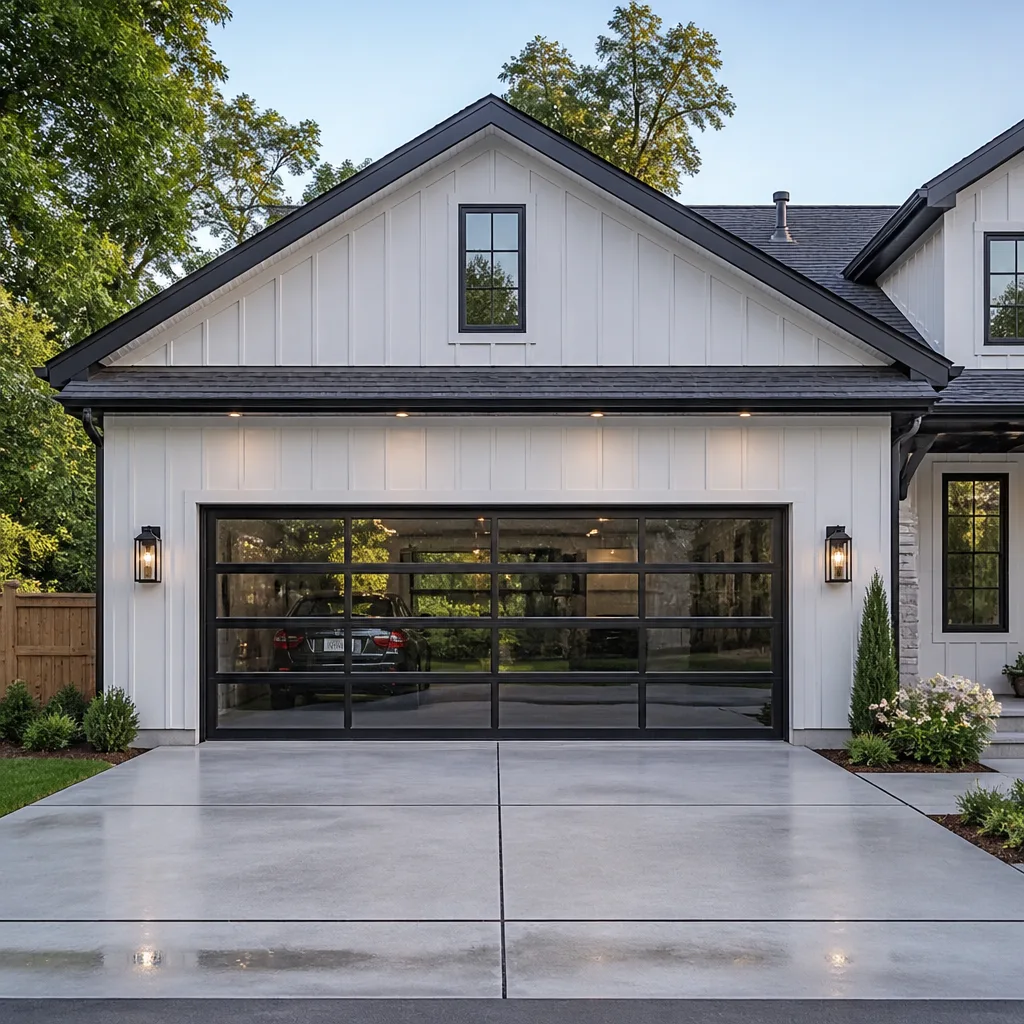 Full-view glass
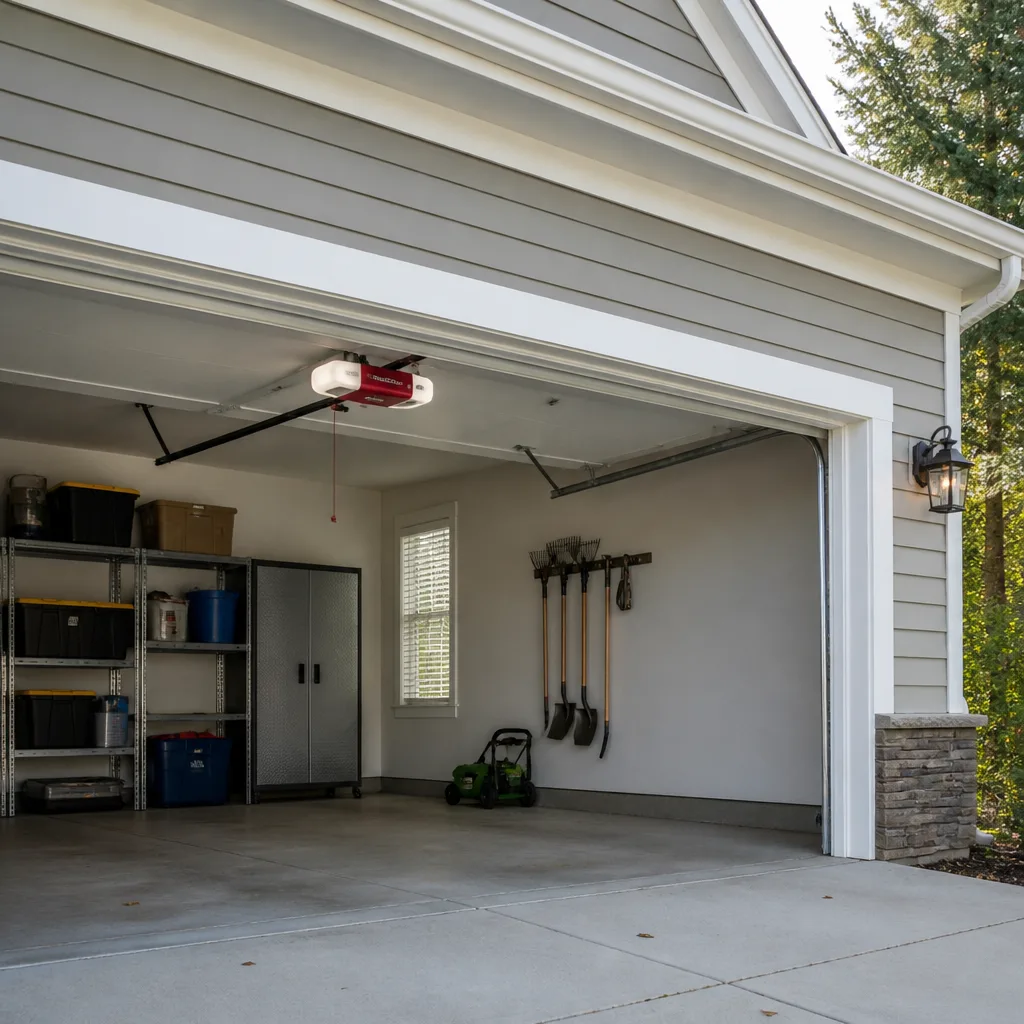 LiftMaster openers
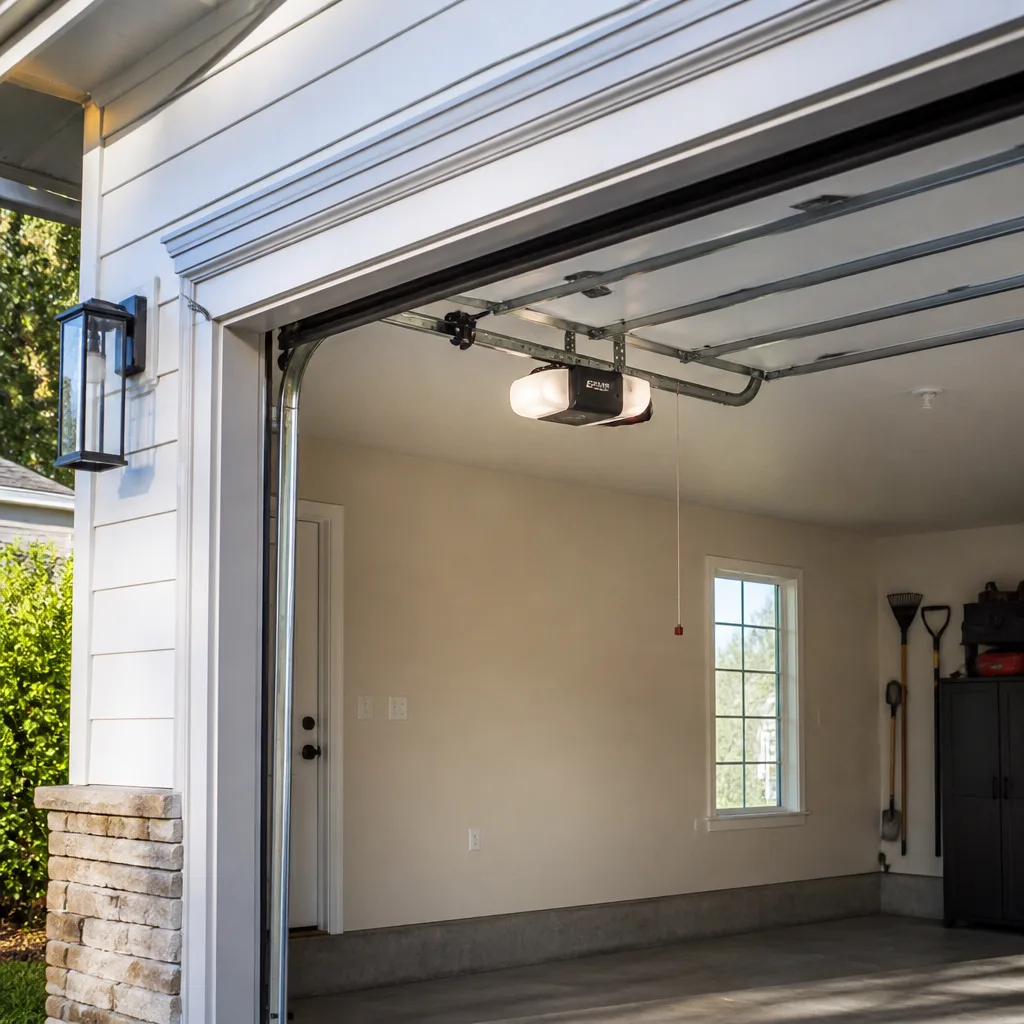 Chamberlain openers
Full 25-point door and opener safety check with every visit - springs, cables, rollers, tracks, and your LiftMaster or Chamberlain opener included
You get a price before we start. It does not change when the pro arrives.
Get your free estimateGarage Door Repair Maintenance Checklist for Roslindale Homeowners
Most garage door “emergencies” we get called out for started as a slow, visible decline that nobody recognized. The problem usually isn’t that Roslindale homeowners skip maintenance. It’s that the checklists they find online say things like “inspect for wear” without ever describing what wear actually looks, sounds, and feels like before a part fails. A wobbling roller and a cracked one read as the same thing on a generic list. They don’t behave the same way on your door. This guide is built around the failure patterns we see repeatedly on service calls, written so you can recognize them yourself. You’ll learn what normal looks like, what imminent failure looks like, and which maintenance tasks actually matter for your specific door system.
Quick Answer
A garage door maintenance checklist for Roslindale should cover: monthly visual inspection of springs, cables, and rollers; lubrication of hinges, rollers, and the torsion spring (never the tracks); seasonal checks on the bottom seal and weather stripping given the freeze-thaw cycle; and annual hardware tightening. Most parts that fail catastrophically show warning signs weeks or months before they break. Learning to read those signs is the entire point of maintenance.
Styles & brands we work with
- Raised-panel steel
- Carriage house
- Modern flush
- Full-view glass
- LiftMaster openers
- Chamberlain openers
Table of Contents
- What “Normal” Actually Looks Like vs. What Signals Failure
- Torsion vs. Extension Spring Systems: Different Doors, Different Checklists
- Lubrication: Where It Helps and Where It Causes Damage
- How Roslindale’s Freeze-Thaw Cycle Accelerates Wear
- How Often Should You Do Each Task?
- The Safety Features You Should Test Every Month
- When to Call a Professional
What “Normal” Actually Looks Like vs. What Signals Failure
The most useful thing we can teach a Roslindale homeowner is the difference between a component that’s working and one that’s about to stop working. The two look similar from six feet away. They look very different up close.
Cables
A healthy cable is taut, runs straight along its path, and has no visible fraying or kinks. It sits smoothly in the drum groove when the door is down. What signals imminent failure: individual wire strands poking out sideways, a cable that shows a “birdcage” bulge, or a cable that has jumped its drum groove and sits at an angle. Any of those three means the cable is compromised and the door shouldn’t be operated until it’s inspected. Cables under tension can cause serious injury if they snap while you’re near them. Don’t try to adjust or re-seat a cable yourself.
Torsion Springs
Torsion springs sit on a horizontal shaft above the door. When they’re healthy, the coils are evenly spaced with consistent gaps between each turn, and the spring holds tension without noise. What signals failure: a gap that has opened up noticeably between coils (the spring is stretching as it fatigues), a visible crack anywhere along the coil, or a dull thud when the door opens instead of the usual smooth lift. A spring with a visible crack can fail completely at any cycle, and torsion spring work is genuinely dangerous – high tension is stored in those coils. This is not a component to inspect with your hands while tension is applied.
Rollers
Nylon rollers should be smooth, round, and roll freely in the track without side-to-side play. Steel rollers should show no flat spots. What signals wear: a roller that has developed a flat edge (it will thump as it passes over the track), visible cracks in a nylon roller, or excessive side-to-side wobble when you push it gently. Worn rollers accelerate track wear and put uneven stress on the door panels. They’re inexpensive to replace but easy to ignore until they cause a bigger problem.
Torsion vs. Extension Spring Systems: Different Doors, Different Checklists
Most garages built or updated in the last twenty years use torsion springs. Older Roslindale garages often still have extension springs running horizontally along the tracks above the door. The checklist items that matter are not the same for both systems.
If You Have Torsion Springs
Torsion springs are mounted on a shaft above the door header. The maintenance items that apply specifically:
- Check the coil gap consistency monthly – even spacing is normal, uneven spacing is a warning sign.
- Listen for a change in sound on opening – a torsion door should open quietly and smoothly.
- Check the center bearing plate for play – a wobbling shaft means the bearing is wearing.
- Never attempt to wind, unwind, or adjust a torsion spring. The stored energy is enormous.
If You Have Extension Springs
Extension springs stretch alongside the upper tracks. They’re common on older homes and have a different risk profile.
- Extension springs should have safety cables running through the center of each spring. If yours don’t, that’s a retrofit worth doing – a broken extension spring without a safety cable can become a projectile.
- Check for stretch – an extension spring that has elongated noticeably has lost tension and is near the end of its life.
- Look for hook wear at both ends – the hooks that attach the spring to the bracket wear thin over time and are a common failure point.
- Check that both springs on a two-spring door are the same length – mismatched springs cause the door to lift unevenly.
If you’re not sure which system you have, look above the door: a shaft running the width of the opening with coiled springs on it is torsion; springs running parallel to the tracks on either side are extension. Knowing which you have changes what you check and what you leave alone.
Lubrication: Where It Helps and Where It Causes Damage
This is where most online checklists give bad advice. “Lubricate everything” is wrong. Some components need lubrication and some will actively fail faster if you lubricate them.
What to Lubricate
- Hinges – a small amount of white lithium grease or silicone spray at each hinge pivot point. Once or twice a year is enough.
- Roller stems – the bearing inside each roller benefits from a light spray. The roller surface itself stays dry.
- Torsion spring coils – a light coating of spray lubricant reduces friction between coils and quiets the door. Don’t soak them.
- Lock and handle mechanisms – if you have a manual lock, a dry lubricant like graphite works better than oil here.
What NOT to Lubricate
- Tracks – this is the biggest mistake we see. Lubricating the tracks attracts dust and grit, which turns into a grinding paste that wears rollers and track surfaces faster. Tracks should be wiped clean and left dry.
- Photo-eye lenses – obviously, but it happens. Keep the lenses clean and dry.
- Nylon rollers on the rolling surface – the roller is designed to roll, not slide. Lubricating the surface can cause it to skid instead of roll.
In our experience as a Roslindale Garage Door Repair specialist, improperly lubricated tracks are one of the most common causes of premature roller wear we find on service calls. The fix is easy – clean the tracks thoroughly and leave them dry – but the damage to the rollers is already done by the time most homeowners notice.
How Roslindale’s Freeze-Thaw Cycle Accelerates Wear
New England’s freeze-thaw cycle is hard on garage doors in ways that manufacturer service intervals don’t account for. A door that’s rated for annual inspection in a mild climate needs more attention in Roslindale, particularly at the bottom of the door and around the frame.
Water gets into small gaps around the bottom seal, freezes overnight, expands, and works the seal loose from the bottom panel. Over a winter, that process repeats dozens of times. By spring, a bottom seal that looked fine in October may be cracked, detached in sections, or sitting unevenly against the floor. Once the seal fails, water gets under the door and into the garage, and the bottom panel starts to rust or rot depending on the material.
The same freeze-thaw action affects bracket fasteners. Bolts and lag screws that hold the track brackets and hinge plates work themselves loose as the wood frame expands and contracts with moisture and temperature. A bracket that was tight in fall can be noticeably loose by February. That looseness translates into track misalignment and uneven door travel, which puts extra stress on the opener and the springs.
Bottom weather stripping takes the worst of it. Rubber seals harden and crack in cold; vinyl seals can stiffen and lose their ability to conform to an uneven floor. In Roslindale, we recommend checking the bottom seal and the perimeter weather stripping at the start of winter and again in early spring, rather than once a year. If the seal is stiff, cracked, or no longer touching the floor evenly, it’s time to replace it before the next freeze.
This is also the reason to check bracket fasteners seasonally rather than annually. A quick walk-around with a socket wrench in late fall catches the loosening before winter accelerates it. If you notice a bracket that’s consistently working loose even after tightening, the underlying wood may be soft from moisture, and that’s a job for a professional to assess.
How Often Should You Do Each Task?
An honest frequency guide separates tasks that need regular attention from tasks that only matter when you notice a specific symptom. Here’s how we’d break it down for a typical Roslindale garage door.
Monthly
- Visual inspection of springs, cables, and rollers for the warning signs described above.
- Test the safety reverse feature (more on this below).
- Listen to the door open and close – note any new sounds.
- Check the bottom seal contact with the floor.
Every Three to Six Months
- Lubricate hinges, roller stems, and torsion spring coils.
- Wipe down the tracks and leave them dry.
- Check bracket and hinge bolts for tightness.
- Inspect weather stripping around the frame.
Annually
- Full balance test – disconnect the opener and lift the door halfway by hand. It should stay in place. If it drops or rises on its own, the springs need attention.
- Inspect the opener’s drive system (chain, belt, or screw) for slack or wear.
- Check the door panels for cracks or separation at the seams.
- Test the manual release to confirm it operates smoothly.
Only When You Notice a Symptom
- Roller replacement – when you see flat spots or hear thumping.
- Spring replacement – when you see gaps, cracks, or the door becomes very heavy to lift.
- Cable inspection by a professional – when you see fraying or a cable off the drum.
- Track adjustment – when the door binds or you see visible misalignment.
The symptom-based tasks are the ones most homeowners ignore until they become emergencies. A roller with a flat spot doesn’t fail immediately, but it wears the track and stresses the hinges over months. Catching it early is the whole point of the monthly visual check.
The Safety Features You Should Test Every Month
The safety features on your garage door are the one part of the checklist that should never be skipped. They protect people and pets, and they’re easy to test in under two minutes.
- Photo-eye test: With the door open, press the close button and wave an object (a broom works) across the path of the photo-eye sensors at the bottom of the tracks. The door should reverse immediately. If it doesn’t, the sensors are misaligned, dirty, or the wiring is compromised.
- Force test: Place a roll of paper towels or a 2×4 flat on the floor in the door’s path and close the door. It should reverse on contact. If it presses down on the object before reversing, the opener’s force setting is too high.
- Manual release: Pull the red release handle to disconnect the opener. The door should move smoothly by hand. Reconnect and confirm the opener re-engages properly.
- Balance test: With the door disconnected, lift it halfway and let go. A balanced door stays put. A door that drops has spring tension problems; a door that rises has too much.
Photo-eye sensors fail more often in cold weather – the lenses can fog or frost, and the alignment can shift as the door frame moves with temperature changes. If your door reverses for no apparent reason on a cold morning, check the sensors first before assuming the opener is failing.
If your opener is an older model from Craftmaster or Raynor and the safety reverse is inconsistent, the issue may be in the opener’s logic board rather than the sensors. That’s a diagnostic step for a technician, not a homeowner adjustment. We handle garage door opener repair for all major brands precisely because the diagnosis is brand-specific.
Common Mistakes to Avoid
- Lubricating the tracks. This is the single most common mistake we find. Lubricant on the tracks attracts grit and turns into an abrasive paste that wears rollers and track surfaces faster than if you’d left them alone. Clean them and leave them dry.
- Ignoring a door that reverses on its own. A door that reverses for no reason usually has a sensor problem or a force-setting problem. Both are safety issues. Don’t just press the button again and hope it works.
- Adjusting torsion springs yourself. The tension stored in a torsion spring can cause severe injury. This is not a maintenance task for a homeowner, and it’s not a task for a general handyman either. Spring work belongs with a trained garage door specialist.
- Skipping the bottom seal in fall. In Roslindale, a bottom seal that fails before winter lets water freeze under the door and into the garage, which can damage the door bottom and the floor. Check it before the first hard freeze.
- Tightening bolts without checking the wood. If a bracket keeps working loose after you tighten it, the wood behind it may be soft from moisture. Over-tightening a bolt into soft wood makes the problem worse. Have a professional assess it.
- Assuming a noisy door is normal. A grinding, squealing, or thumping door is telling you something. Noise is the earliest symptom of most garage door failures, and it’s free to notice.
- Running a door with a visibly damaged cable. A frayed or kinked cable can snap under tension. Stop using the door and have it inspected. The risk isn’t worth the convenience of one more open-and-close cycle.
See the difference
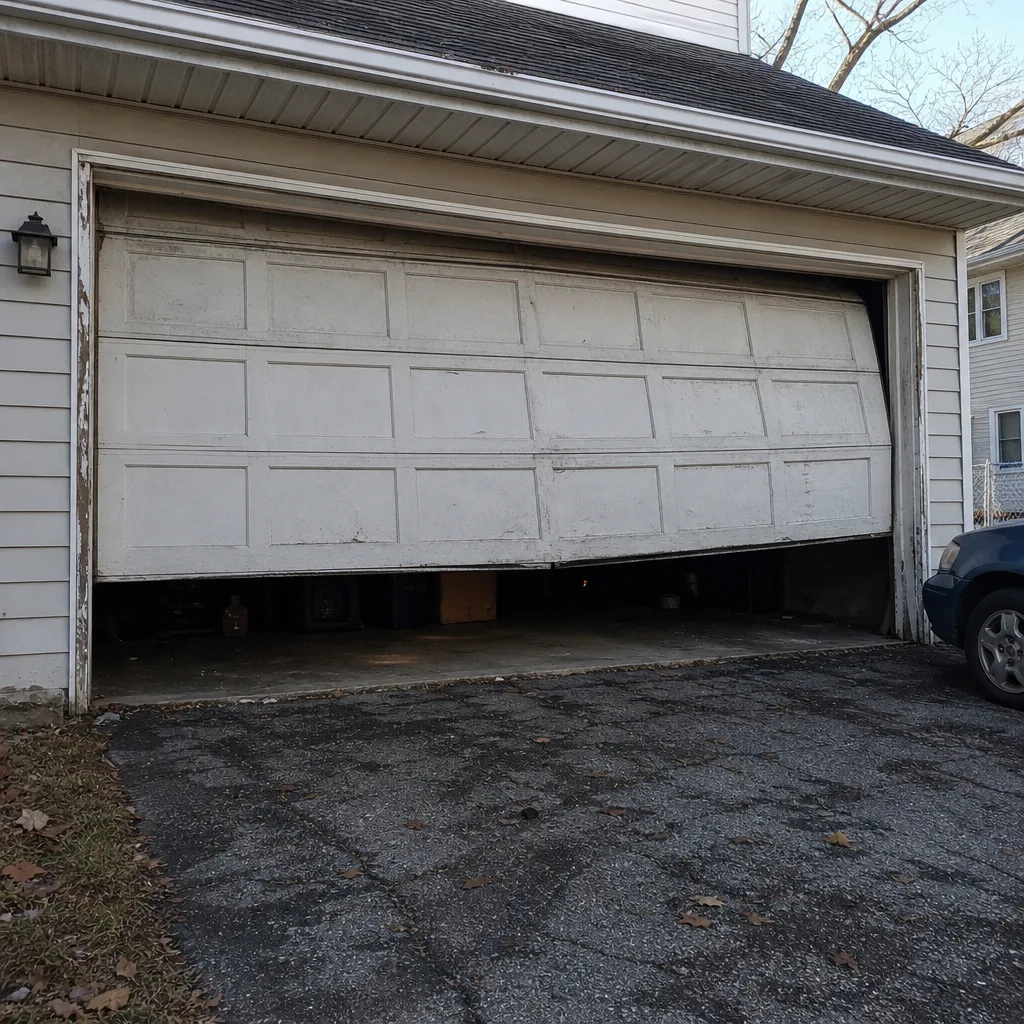 Before
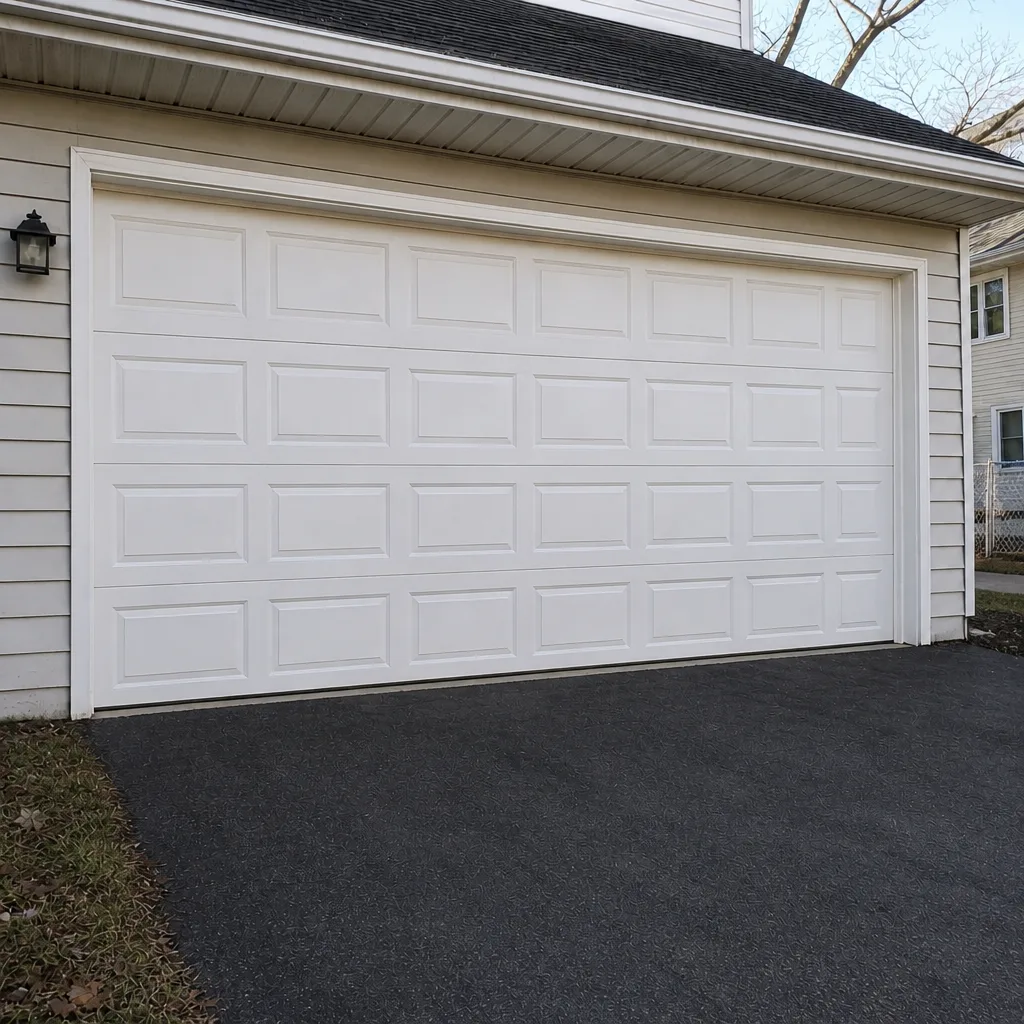 After
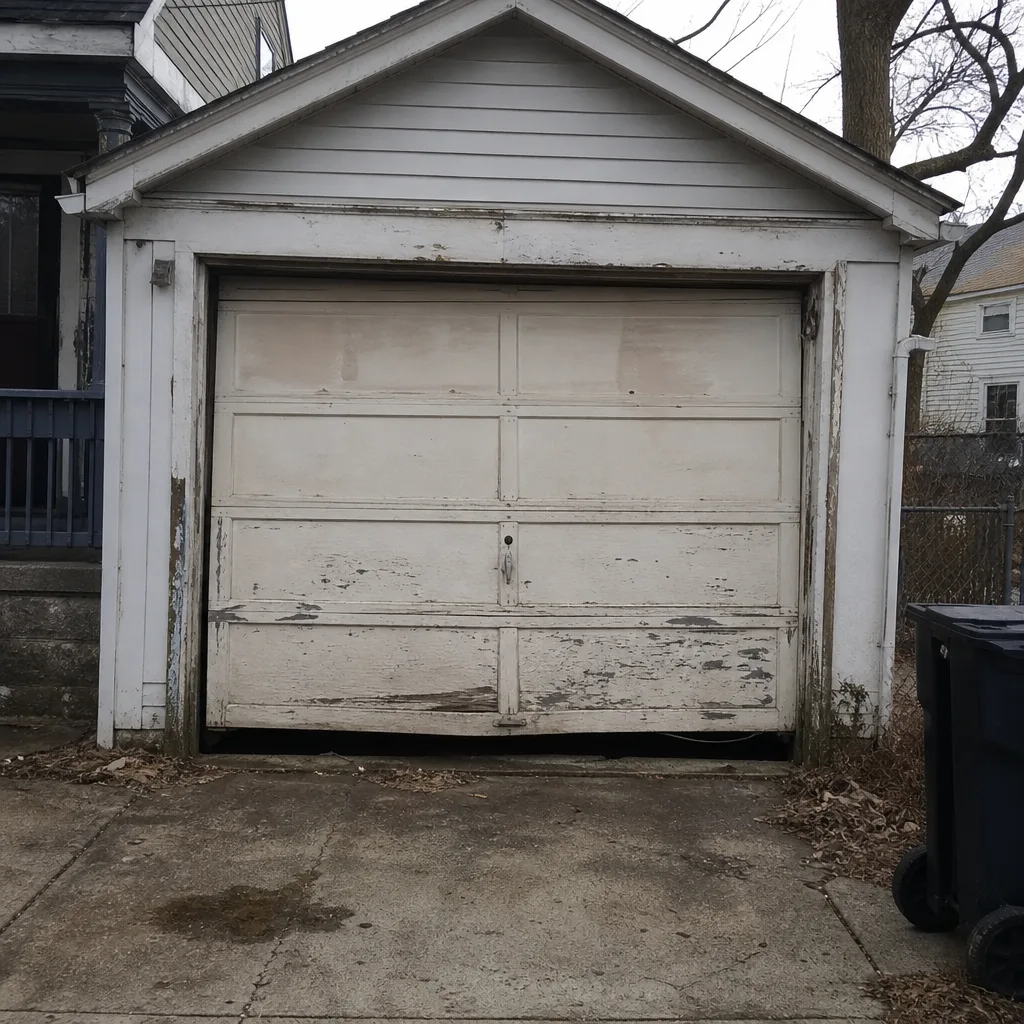 Before
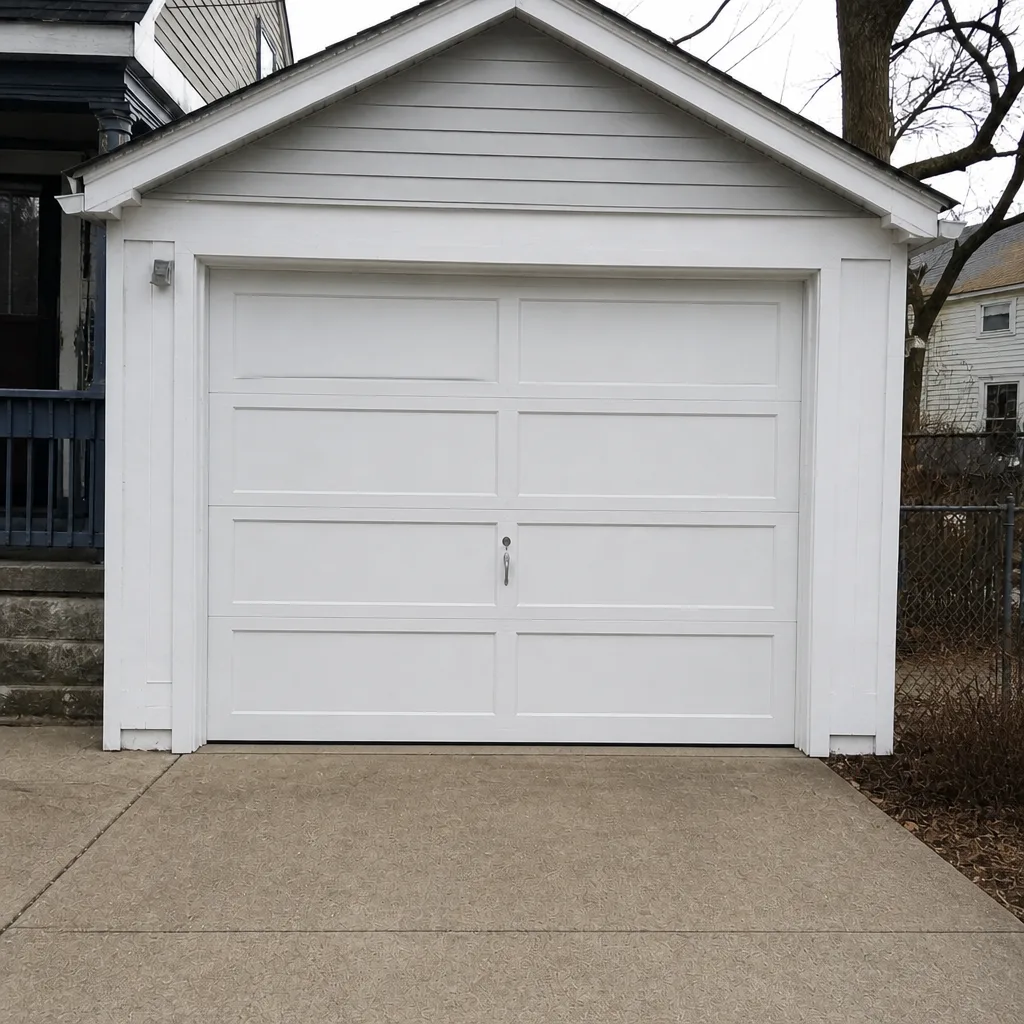 After
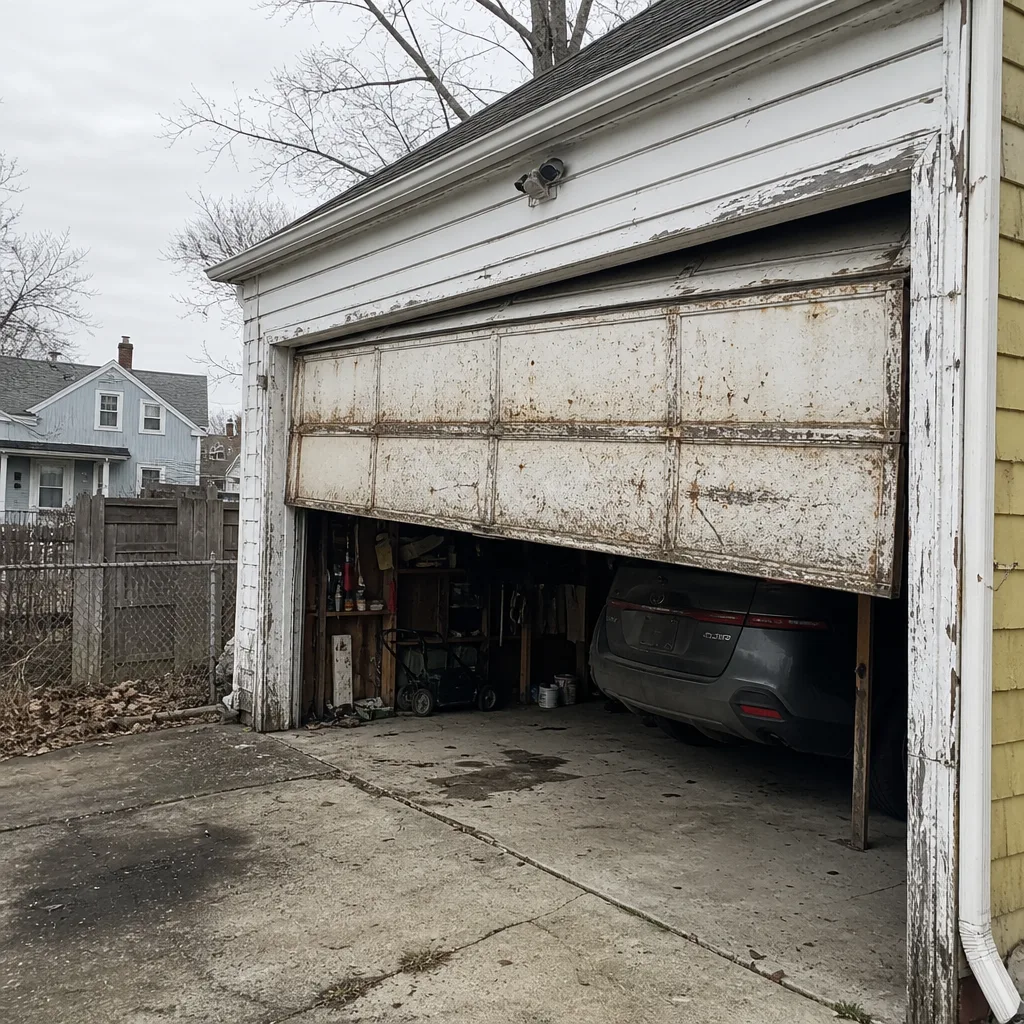 Before
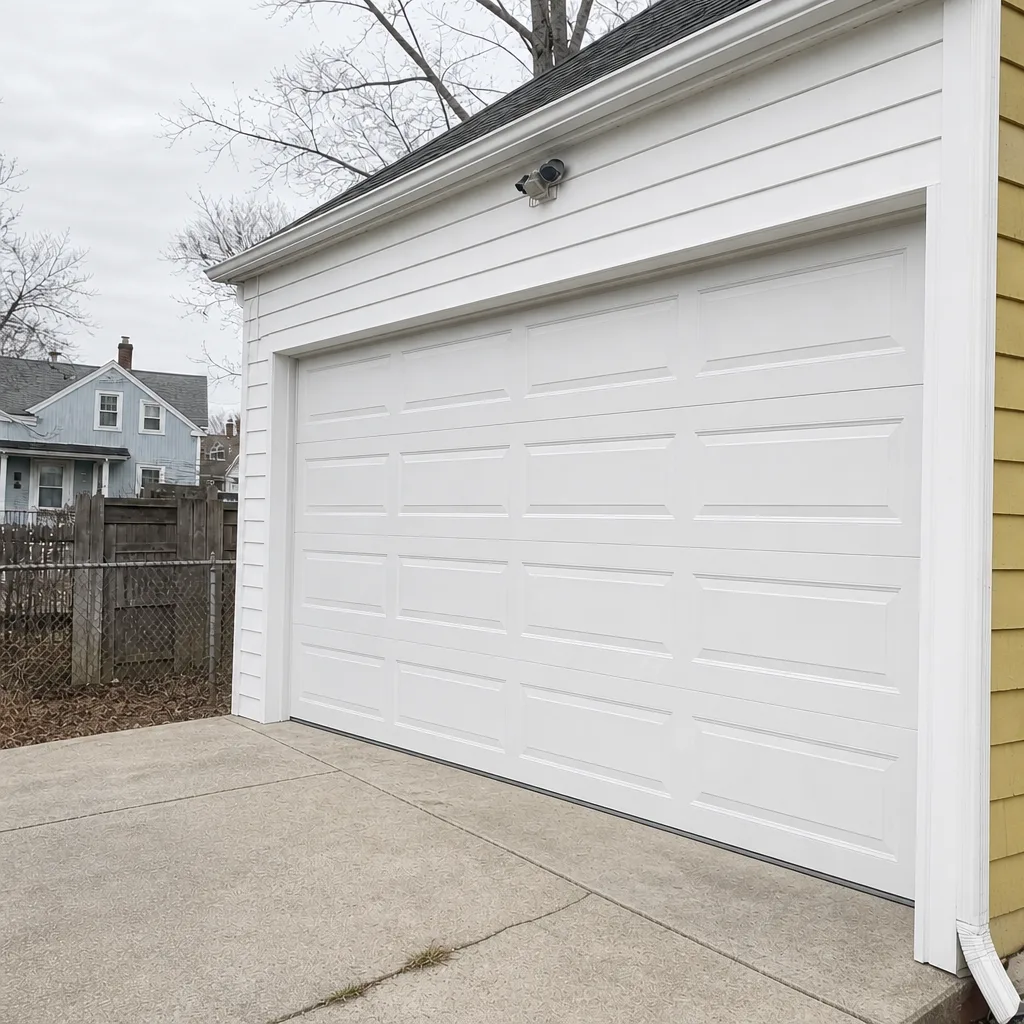 After
When to Call a Professional
The maintenance tasks in this guide are things any homeowner can do safely: visual inspections, lubrication, bolt tightening, and safety feature tests. But some conditions call for a trained specialist, and it’s worth knowing where that line is.
Call a professional if you see a frayed, kinked, or off-drum cable; a torsion spring with a visible gap or crack; a door that reverses on its own repeatedly; a door that’s become noticeably harder to lift by hand; a bracket that won’t stay tight after tightening; or a track that’s visibly bent or misaligned. Spring and cable work is genuinely hazardous, and general handymen often decline it for good reason. A door that’s off its track can fall without warning, and a failed spring can cause serious injury. These are the jobs where a specialist is not optional.
Roslindale Garage Door Repair offers free estimates in Roslindale – call (844) 944-1933. Our technicians have up to 14 years of experience, and since garage doors are all we do, the diagnosis is usually faster and more accurate than a generalist’s. We work with LiftMaster, Chamberlain, Genie, Clopay, Amarr, Wayne Dalton, Craftsman, and Raynor equipment, which means we recognize the failure patterns specific to your brand.
Frequently Asked Questions
We recommend lubricating hinges, roller stems, and torsion spring coils every three to six months – more often if your garage is unheated or exposed to weather extremes. Never lubricate the tracks themselves; they should be wiped clean and left dry. In a climate like Roslindale’s, the seasonal temperature swings make regular lubrication more important than the manufacturer’s annual guidance might suggest.
A failing torsion spring typically shows a visible gap between the coils (uneven spacing instead of consistent gaps), a visible crack along the coil, or a dull thud instead of a smooth lift. A failing extension spring stretches noticeably longer than it should, or shows hook wear at the attachment points. Any of those signs means the spring is near the end of its life and should be inspected by a professional – don’t try to adjust it yourself. Call (844) 944-1933 for a free estimate on spring replacement.
Some noise is normal, but grinding, squealing, or thumping is not – it’s usually the first sign of a problem. Grinding often means the rollers are worn or the tracks are dirty. Squealing usually points to a lubrication issue at the hinges or roller stems. Thumping suggests a flat-spotted roller or a loose panel. If the noise is new or getting worse, it’s worth having it checked before it turns into a bigger repair.
You can and should do the visual inspection, lubrication, and safety feature tests described in this guide. What you should never do is adjust, wind, or unwind a torsion spring. The stored tension can cause severe injury, and even experienced handymen often decline this work. Leave spring adjustment and replacement to a trained garage door specialist.
Roslindale’s freeze-thaw cycle is hard on bottom seals. Water gets into small gaps, freezes overnight, expands, and works the seal loose from the bottom panel. Over a winter, that cycle repeats many times. Checking the bottom seal before the first hard freeze and replacing it when it hardens or cracks extends its life and protects the door bottom from water damage.
It depends on what’s failing and how many systems are involved. A garage door installation makes sense when the panels are structurally compromised, when multiple springs and cables are at the end of their life at the same time, or when the door is so far out of balance that repairs would exceed replacement cost. For a single failed spring, cable, or roller set on an otherwise sound door, repair is almost always the right call. Call (844) 944-1933 for a free estimate that covers both options honestly.
The Bottom Line
A garage door maintenance checklist is only useful if it tells you what a problem actually looks like. The warning signs – a gap in the spring coils, a frayed cable strand, a flat-spotted roller, a bottom seal that no longer meets the floor – are all visible to a homeowner who knows what to look for. In Roslindale, the freeze-thaw cycle makes seasonal checks on the bottom seal, weather stripping, and bracket fasteners more important than the manufacturer’s annual guidance assumes. Monthly inspections, regular lubrication (never the tracks), and knowing when a symptom crosses the line into professional territory will prevent most of the emergencies we get called out for. When in doubt about springs, cables, or a door that’s off its track, don’t guess – have a specialist look at it.
We work on your brand, whether it’s Amarr, Wayne Dalton, Craftsman, or Raynor. One call covers everything from a single roller to a full garage door installation. Our technicians have up to 14 years of experience, and we diagnose and fix most issues in one visit because the parts are sourced directly rather than through a third party. For garage door repair anywhere in Roslindale, call (844) 944-1933 for a free estimate. Our hours are Sunday through Friday, 7am to 7pm, and we’re closed Saturday. When a spring or cable fails, we can book you for the next available appointment and get your door back to safe operation.
Written by the team at Roslindale Garage Door Repair.