Last updated November 21, 2026
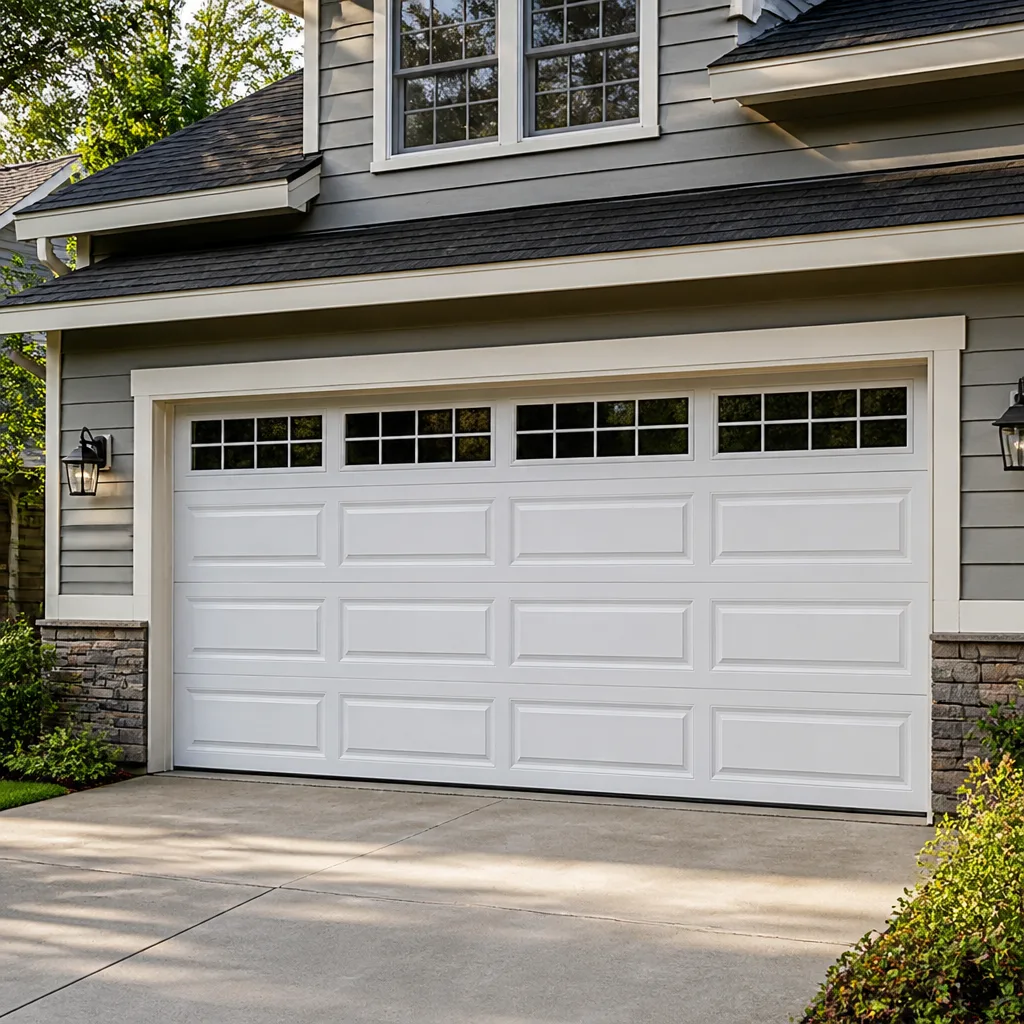 Raised-panel steel
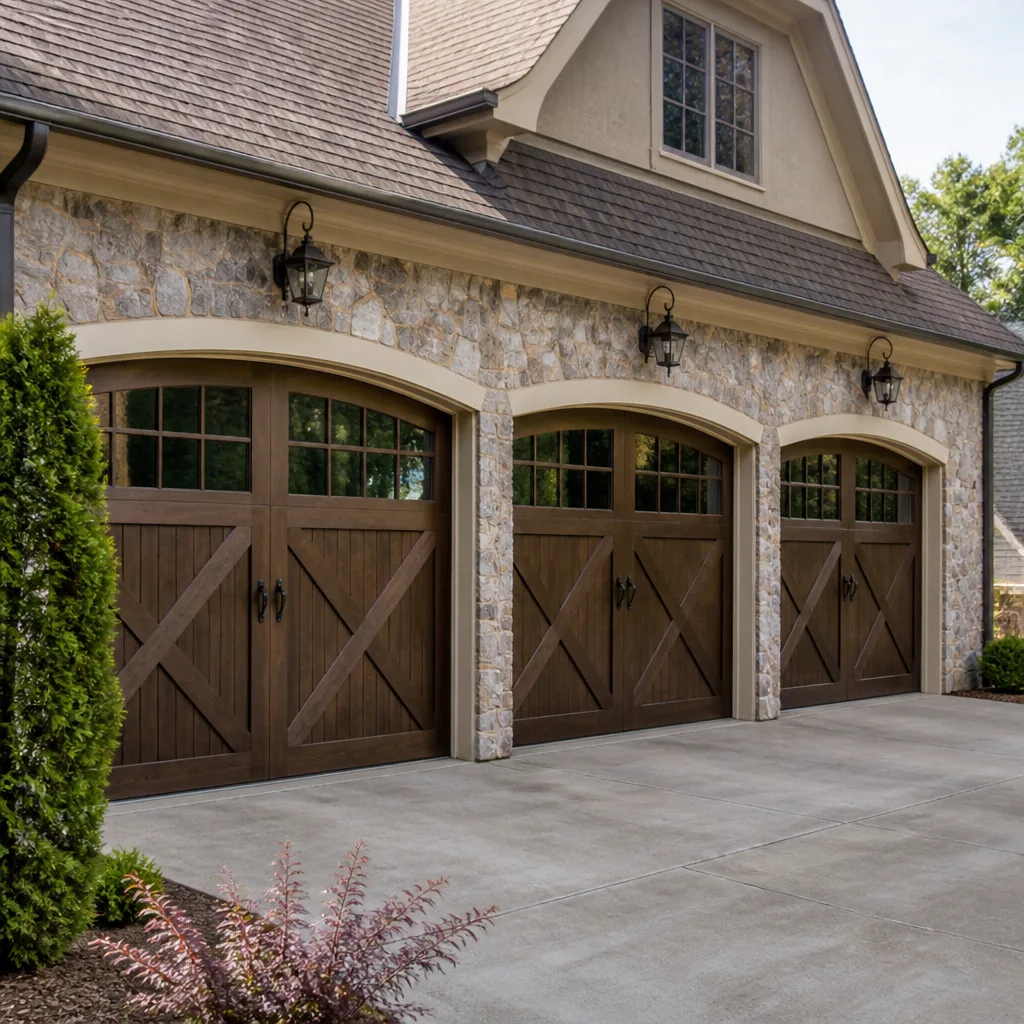 Carriage house
 Modern flush
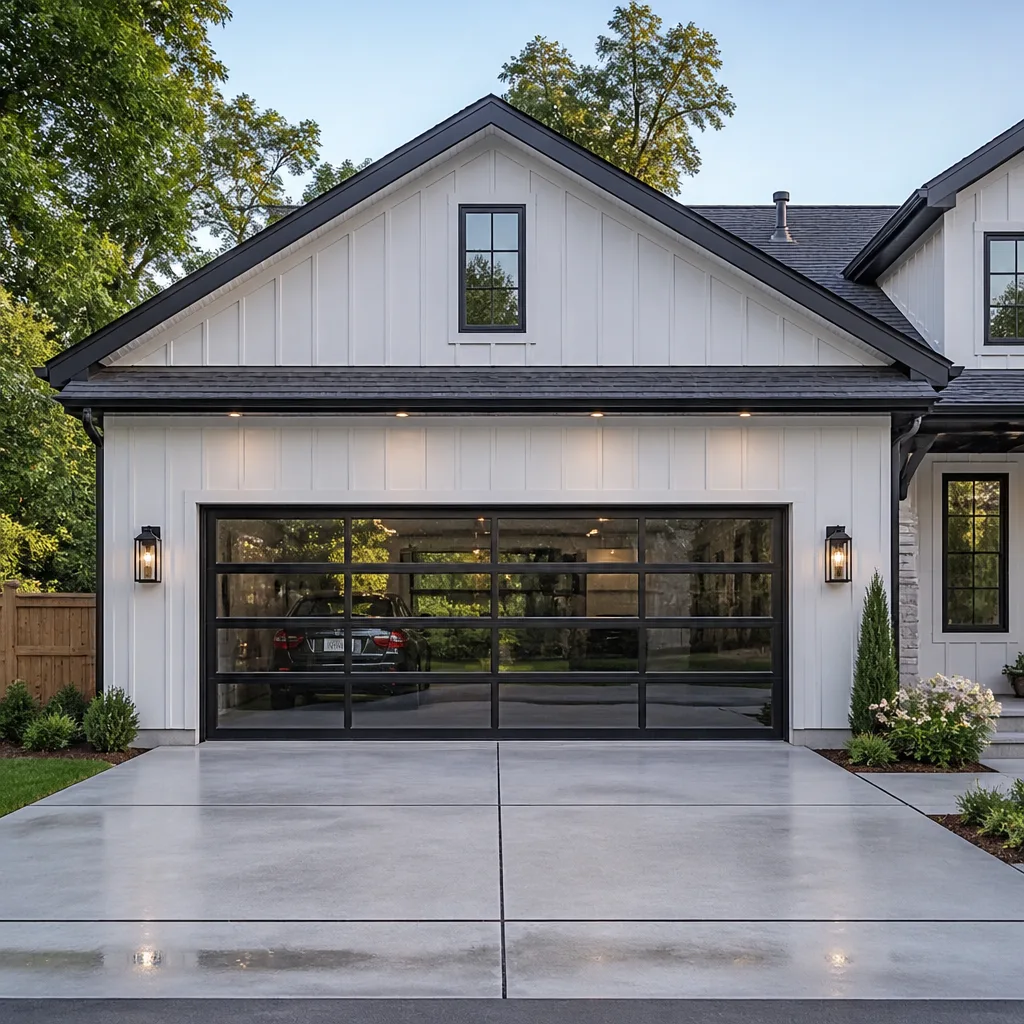 Full-view glass
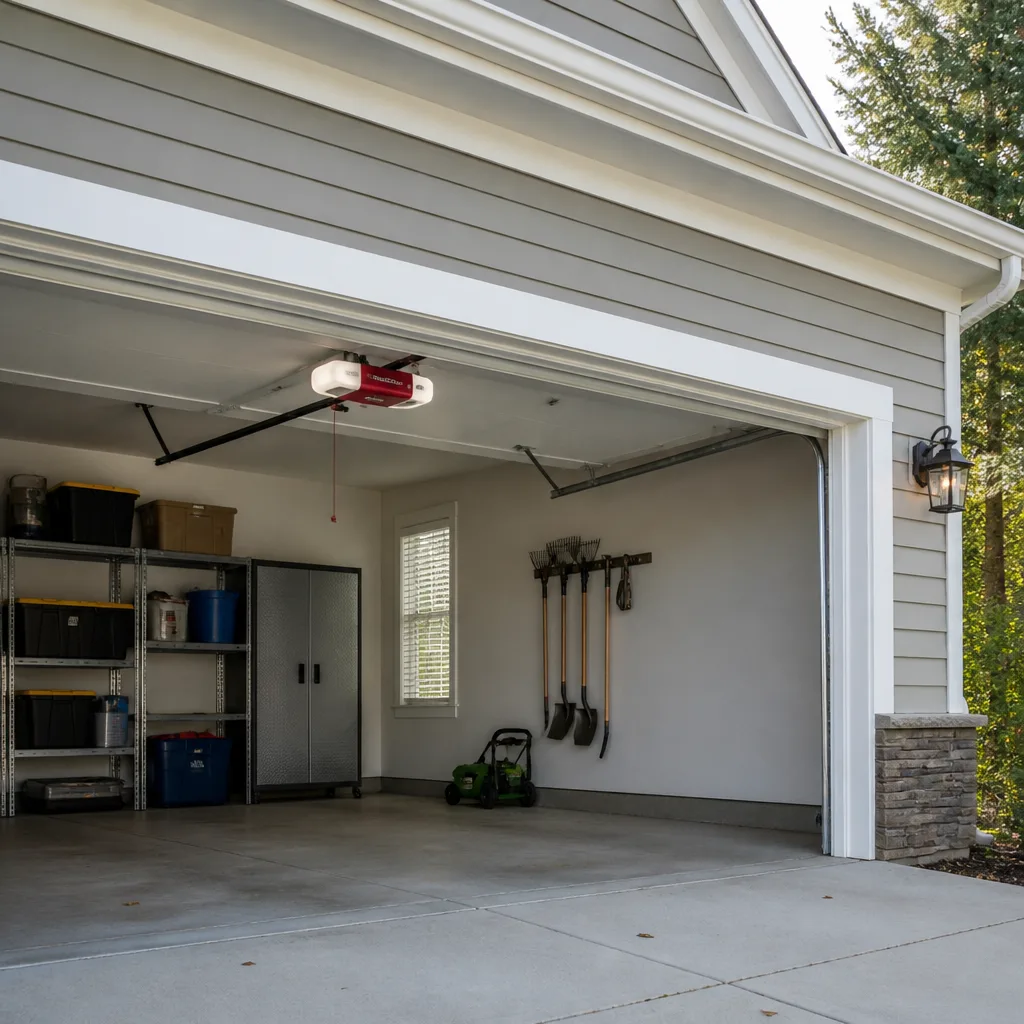 LiftMaster openers
 Chamberlain openers
Full 25-point door and opener safety check with every visit - springs, cables, rollers, tracks, and your LiftMaster or Chamberlain opener included
You get a price before we start. It does not change when the pro arrives.
Get your free estimateGarage Door Permits, Codes & Inspections in Roslindale, MA: What You Need to Know
Most homeowners assume swapping a garage door is like replacing a light fixture – nothing structural, nothing the city needs to know about. That assumption is where things get expensive. In Massachusetts, the line between a “like-for-like replacement” that needs no permit and a “structural alteration” that absolutely does is thinner than most people realize, and it’s crossed more often than anyone in the trade likes to admit. A door that gets installed two inches wider, an opening that’s reframed, a new header put in – each of those can turn a simple job into unpermitted construction. This guide walks through what actually triggers a permit in Roslindale, who issues it, what inspection looks at, and how to protect yourself before a single screw goes in.
Quick Answer
In Roslindale and across Boston, replacing a garage door in the same opening, same size, same operation typically does not require a building permit. Anything that alters the structure – widening or lowering the opening, cutting or replacing a header, changing an attached garage’s fire separation – usually does require a permit from Boston’s Inspectional Services Department. If you’re unsure which category your project falls into, ask before you schedule the work.
Styles & brands we work with
- Raised-panel steel
- Carriage house
- Modern flush
- Full-view glass
- LiftMaster openers
- Chamberlain openers
Table of Contents
- When a Garage Door Project Needs a Permit in Roslindale
- Who Issues Garage Door Permits in Roslindale: Boston ISD
- What a Garage Door Inspection Actually Examines
- Fire-Rated Doors Between the Garage and Living Space
- How Unpermitted Work Shows Up at Resale
- How to Confirm Your Contractor Pulled the Permit
- Roslindale Climate and Housing: Why Doors Fail Here
- Common Mistakes to Avoid
- When to Call a Professional
When a Garage Door Project Needs a Permit in Roslindale
The cleanest way to think about it is this: does the project change the building, or does it change the door? Replacing a door with another door of the same dimensions in the same opening is a maintenance swap. It’s the same category as replacing a worn front door with a new one that fits the existing frame. No structural work means no structural permit.
That said, plenty of projects look like a swap on paper and aren’t in practice. The most common ones we see in Roslindale:
- Widening the opening. Going from a single door to a double, or adding a few inches of clearance so a larger vehicle fits, means cutting the header and reframing the jamb. That’s structural work.
- Lowering or raising the opening height. Same principle. The header moves, the framing changes, and the load path above the garage changes with it.
- Converting a wall opening into a garage door opening. Taking a section of exterior wall and cutting it out for a new door. This one crosses every threshold – it’s new structural framing, new foundation load, and often siding and trim work.
- Replacing a header or lintel. If the beam above the door is compromised or undersized and gets replaced, that’s structural by definition.
- Adding an attached garage. Any new attached garage requires a full building permit for the structure itself, and the door is part of that scope.
- Altering fire separation. If the wall between an attached garage and the living space is modified as part of the door work, that’s a separate code concern (covered further down).
Where the confusion really lives is at the edges. A homeowner wants a slightly taller door because the old one drags on a sagging header. The header needs to move. Suddenly a “replacement” has become a structural alteration. The right time to sort out which side of the line you’re on is before the door is ordered – not after the opening has been cut. Pulling a permit is paperwork. Fixing unpermitted structural work at resale is much more than that.
One more point that gets glossed over: Boston’s code rules apply to Roslindale the same way they apply to any other neighborhood in the city. Roslindale is part of Boston, not a separate jurisdiction, so the rules don’t vary street to street.
Who Issues Garage Door Permits in Roslindale: Boston ISD
Permits for work in Roslindale come from the City of Boston’s Inspectional Services Department, commonly called ISD. Because Roslindale is a Boston neighborhood, everything routes through the same office that handles downtown, Dorchester, and Jamaica Plain. That means the process, timelines, and inspection criteria are consistent across the city – but also that ISD’s workload is large and scheduling reflects that.
A typical flow looks like this:
- Determine whether a permit is required. Your contractor should be able to tell you this up front based on what the project involves. If they can’t, ask them to walk you through it.
- Submit the permit application. This typically includes a description of the work, a scope of the change, and often a plan or drawing if the work is structural.
- Pay the permit fee. Fees vary by project value and scope. Boston publishes its fee schedule; your contractor should be able to tell you what it will be for your project.
- Wait for permit issuance. Straightforward alterations to a single-family home can move through quickly. Structural changes that require plan review take longer. If a project is time-sensitive, this is the step to plan around, not the door delivery.
- Do the work. The permit stays posted and visible during construction.
- Schedule the inspection. ISD inspects at specific stages for structural work, and at completion for the overall project.
- Close the permit. The permit is signed off, and the record stays on file with the city – which is exactly what you want if you ever sell.
Timelines for a straightforward garage door alteration are usually measured in weeks, not days, though that depends on ISD’s current volume and whether plan review is required. A project that crosses into structural alteration with new framing or header work is not the same timeline as a cosmetic swap. If your contractor quotes you a firm install date before the permit is issued, ask them how they’re accounting for that.
One practical note specific to Roslindale: this neighborhood has a lot of older housing stock, including plenty of early-1900s two-families with detached garages that were added or modified over the decades. Not every one of those garages was permitted when it was built, and that’s often a discovery at the point of sale. If you’re planning a replacement on a garage that’s been standing for decades, it’s worth confirming what the city has on file for that structure before you submit anything new.
What a Garage Door Inspection Actually Examines
An inspection is not a general look-and-see. It’s a targeted check of whether the work matches what was permitted, and whether it meets the code requirements in effect for that type of structure. For a garage door project, an inspector is typically looking at:
- The opening dimensions. Does the installed door match the permitted size and location?
- The header and framing. If new structural work was done, is the header the right size and material, and is it properly supported at the jamb?
- The attachment to the building. Tracks and springs mounted to a wall or ceiling need proper connection to solid framing, not just drywall or siding.
- Fire separation. On an attached garage, the wall and door between the garage and the living space need to meet the required fire rating. More on this below.
- Safety devices on the opener. If a new opener is being installed, the required safety features – like an auto-reverse function and photoelectric sensors at the door opening – are on the inspection list.
- Labeling and product compliance. Doors and openers that carry the manufacturer’s compliance label make this step much simpler. It’s not required to be a particular brand, but it has to be a compliant product.
What the inspector does not do is check the tension on your springs or tell you whether your door is balanced. That’s not their job. It’s yours, which is why the inspection and a service visit are two separate concerns. A door can pass inspection and still have a spring that’s about to fail. Passing code isn’t the same as being in good working order.
If an inspector finds something off – a header undersized, framing not matching the plan, a fire-rated door that isn’t actually rated – the fix has to happen before the permit closes. That’s a competent contractor’s problem to solve, not yours. It becomes your problem when the contractor wasn’t the one pulling the permit in the first place.
Fire-Rated Doors Between the Garage and Living Space
This is the code point most often skipped on replacement, and it’s the one with the biggest liability attached. If your garage is attached to your house – which is the case for a large share of the homes in Roslindale, particularly additions done over the last several decades – then the wall and door between the garage and the living space form a fire separation barrier. The idea is simple: if a fire starts in the garage, that barrier has to buy the family inside time to get out.
What that means in practice:
- The door between the garage and the house needs to be fire-rated, not just any interior door. A standard hollow-core door doesn’t qualify.
- The door needs to self-close and self-latch. A propped-open fire door defeats the whole point of the barrier.
- The door and its frame need to be the right assembly, not a rated door hung in a non-rated frame with gaps around the edge.
- The wall itself has requirements – typically a rated wall assembly from the floor up to and including the ceiling on the garage side.
The garage door itself – the big overhead door – is a different matter. It’s an exterior door, not a fire separation door. The confusion comes when homeowners hear “fire-rated” and assume it applies to the overhead door. It doesn’t. The fire rating applies to the door that leads from the garage into the house.
Why does this come up so often on replacements? Because garage door work frequently involves someone going in and out of the garage, and the door between garage and house gets used a lot during a project. Sometimes it gets replaced as part of the scope because it’s old or damaged. Sometimes it gets modified to fit a new opening or trim. Either way, if it’s replaced with a non-rated door, the fire separation is broken, and nobody notices until an inspector or a buyer’s home inspector points it out. On an attached garage in Roslindale, that’s a legitimate code issue – and one worth calling out to your contractor before the door goes in.
If a contractor is replacing that interior door as part of the job and doesn’t mention fire rating, ask. The answer should be specific.
How Unpermitted Work Shows Up at Resale
Unpermitted work doesn’t disappear. It sits quietly in the record until someone pulls the thread. When a Roslindale home goes on the market, that thread gets pulled in three predictable places.
1. The buyer’s home inspection
A home inspector walks the property looking for signs that a structure has been altered. On a garage, those signs include openings that don’t match the surrounding framing pattern, headers that look newer than the rest of the structure, reframed jambs, or doors that are a visibly different size than the original opening. Inspectors note what they see and what they can’t verify. That note goes in the report, and buyers and their attorneys use it as a starting point for negotiation.
2. The permit record search
Buyer’s attorneys routinely run a permit history on the property. If a garage shows up with structural work and no corresponding permit in the city’s records, that gap gets flagged. The buyer now has a concrete question: was this work done with a permit, or not? If the seller can’t produce a record, the answer is no.
3. The negotiation
This is where unpermitted work turns into money. Buyers’ attorneys typically demand one of three remedies: the seller pulls a retroactive permit and has the work inspected and signed off, the seller credits the buyer at closing for the cost of remediation (often with a contingency buffer on top), or the buyer walks. If the work can’t be inspected because the contractor is gone and the framing is closed up, the credit tends to grow because the buyer is now pricing in uncertainty.
None of this is hypothetical. If you’re planning to sell a Roslindale home in the next several years and you’ve had any garage work done that involved framing, opening changes, or fire separation changes, it’s worth pulling your permit record now while you have time to fix it. Retroactive permitting exists, but it’s much easier to navigate when you’re not on a closing deadline.
The simplest way to avoid any of this is to insist on the permit being pulled before the work starts. That single step is the difference between a clean record and a problem that follows the house.
How to Confirm Your Contractor Pulled the Permit
This is the step most homeowners skip, and it’s the one that protects you most directly if a contractor takes a shortcut. A verbal “yeah, we’ll handle the permit” is not proof. Verification is straightforward.
- Ask for the permit number before the work starts. Not “we’ll pull it next week” – an actual number issued by the city. If they can’t produce one for a job that needs one, that’s your answer.
- Look up the permit in the city’s records. Boston ISD maintains an online permit search. You can search by address and confirm that a permit exists for the scope you’re having done.
- Confirm the scope on the permit matches your job. A permit for “replace door” when your project involves widening the opening is not the right permit. The scope needs to match.
- Confirm the contractor is listed on the permit as the responsible party. If the permit is pulled in someone else’s name or under a different scope, ask why.
- Keep the permit number and the final inspection sign-off in your records. If you ever sell, that paperwork answers every question a buyer’s attorney might raise.
The reason this matters is simple: if your contractor doesn’t pull the permit and the work gets flagged later, the person who owns the problem is you. The contractor may be long gone, the company may have changed hands, and the record still shows unpermitted structural work on your property. Verifying the permit takes ten minutes and eliminates that exposure entirely.
On a straight replacement with no structural change, none of this applies and there’s no permit to verify. That’s one of the reasons the industry does quote “like-for-like” swaps as straightforward work. The complexity shows up when the opening changes.
Roslindale Climate and Housing: Why Doors Fail Here
The permit question is a code question, but the reason garage doors get replaced here in the first place is a Roslindale climate question. Winters here are cold, wet, and long. Road salt gets tracked into garages on the underside of vehicles. Freeze-thaw cycles work on every seam and seal. That combination is hard on doors, hardware, and openers alike.
The typical failure patterns we see in Roslindale:
- Spring fatigue. Cold weather accelerates metal fatigue on torsion and extension springs. A spring that’s near the end of its cycle count often gives out on the first cold snap of the season.
- Panel and seal wear. Weatherstripping at the bottom seal takes a beating from ice buildup and salt. Worn seals let water in, which then freezes and expands in the jamb.
- Track and hardware corrosion. Salt tracked into the garage corrodes hinges, rollers, and fasteners faster than homeowners expect.
- Opener strain. When a door gets heavier or binds in the cold, the opener works harder. LiftMaster, Chamberlain, and Genie openers are common on Roslindale garages, and they hold up well under normal load – but a door that needs service puts wear on the opener.
Roslindale’s housing stock also shapes what gets installed. The neighborhood is dominated by older single-family homes and two- and three-families, many with detached garages built decades ago. Those garages were often sized for the vehicles of the era they were built, which is why the “widen the opening” conversation comes up so often. A modern vehicle doesn’t always fit the opening a 1950s builder left. And that, in turn, is exactly how a simple replacement slides into structural permit territory.
Door and opener brands that are common in Roslindale include LiftMaster, Chamberlain, Genie, and Clopay, plus the other major brands we service. When we’re diagnosing a door problem, brand-specific familiarity saves time. We don’t need to guess at a Genie opener’s control logic or assume a Clopay panel from the 1990s is still interchangeable with a current model. That’s part of why single-trade focus matters here – the diagnosis happens on the first visit rather than the third.
None of the climate pressure changes the permit rules, but it does mean garage door work in Roslindale is a regular occurrence, not a rare event. The more often a job gets done, the easier it is for shortcuts to happen – which brings us back to verifying the paperwork.
Common Mistakes to Avoid
- Assuming “replacement” is always permit-free. A replacement that changes the opening dimensions, reframes the jamb, or touches the header is a structural alteration, not a replacement. Ask your contractor to confirm in writing which category your project is in before the door is ordered.
- Letting the contractor “handle it” without a permit number. A verbal assurance is not a permit. Get the number, verify it in the city system, and confirm the scope matches your job. This is the ten minutes that protects you at resale.
- Replacing the door between the garage and house with a non-rated model. On an attached garage, that door is part of the fire separation. A hollow-core replacement breaks the barrier and creates a liability that shows up on a home inspection.
- Propping the fire door open permanently. A self-closing fire door that stays wedged open defeats the entire separation, and it’s a common sight in Roslindale homes where the garage doubles as a workshop.
- Relying on “the last guy did it that way” as the standard. Earlier work on a garage may not have been permitted, and copying that approach multiplies the problem instead of solving it. Whatever was done before has no bearing on what the code requires now.
- Waiting until closing to sort out paperwork. If you’re selling a Roslindale home and there’s any chance the garage has unpermitted work, pull the record early. Retroactive permitting is far easier when you have time to work with ISD, not a closing date.
- Paying for a door before the permit is issued. On a project that requires a permit, the lead time is the permit, not the door. If the contractor is pushing you to place the order before permit issuance, that’s a sign to slow down and ask questions.
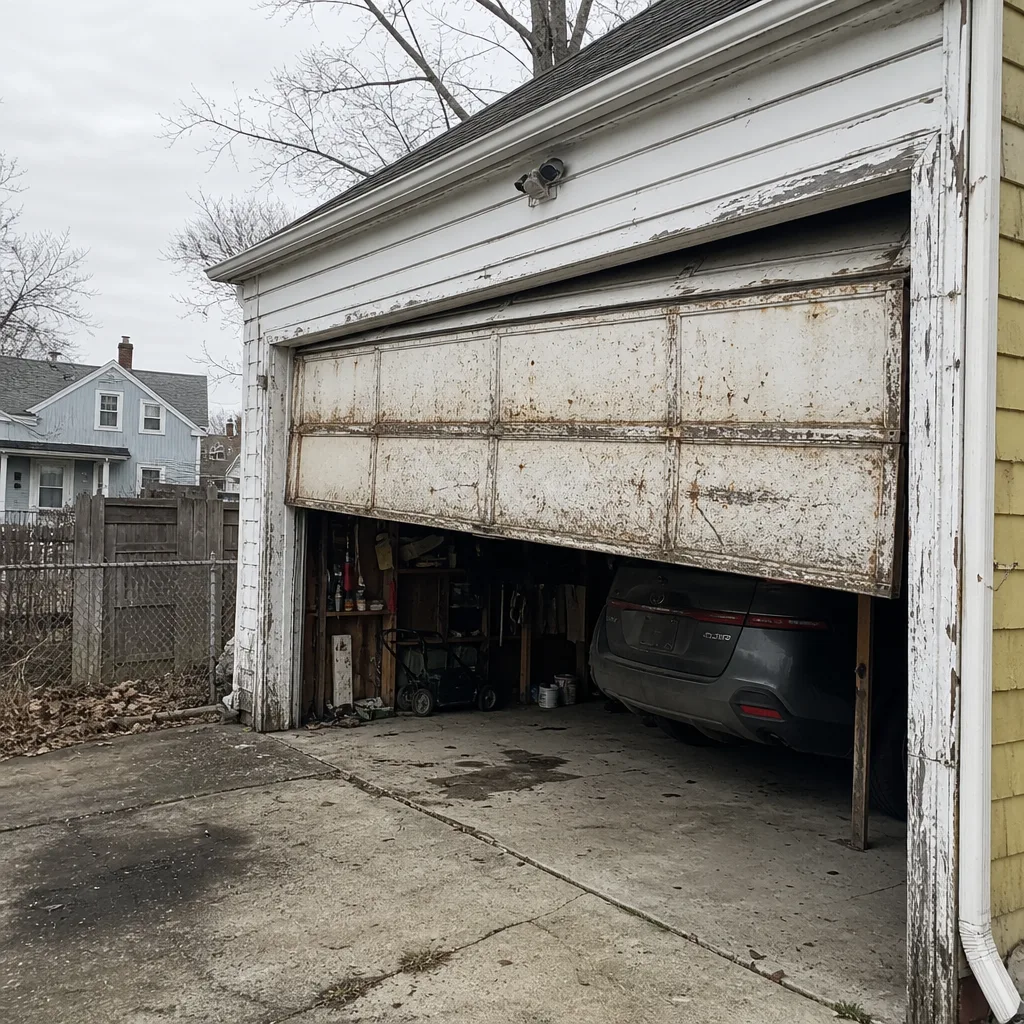
See the difference
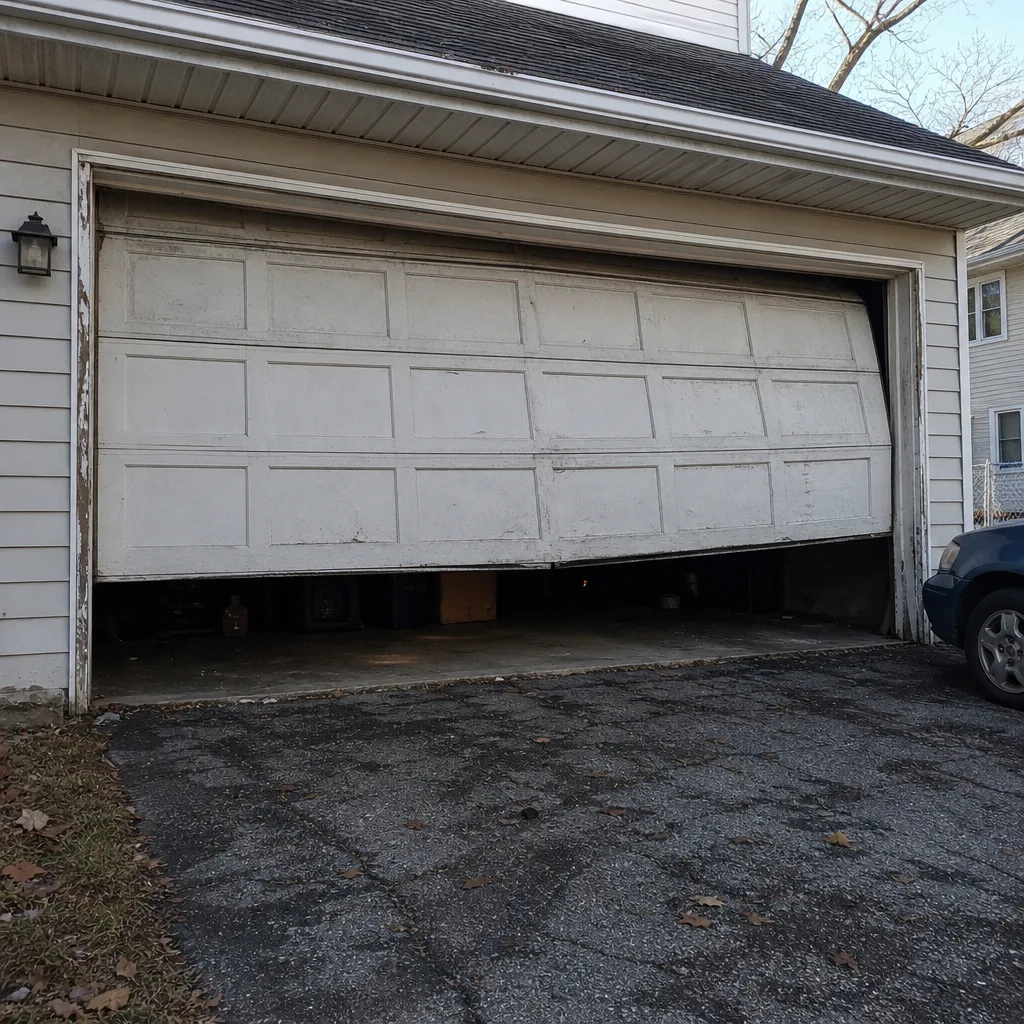 Before
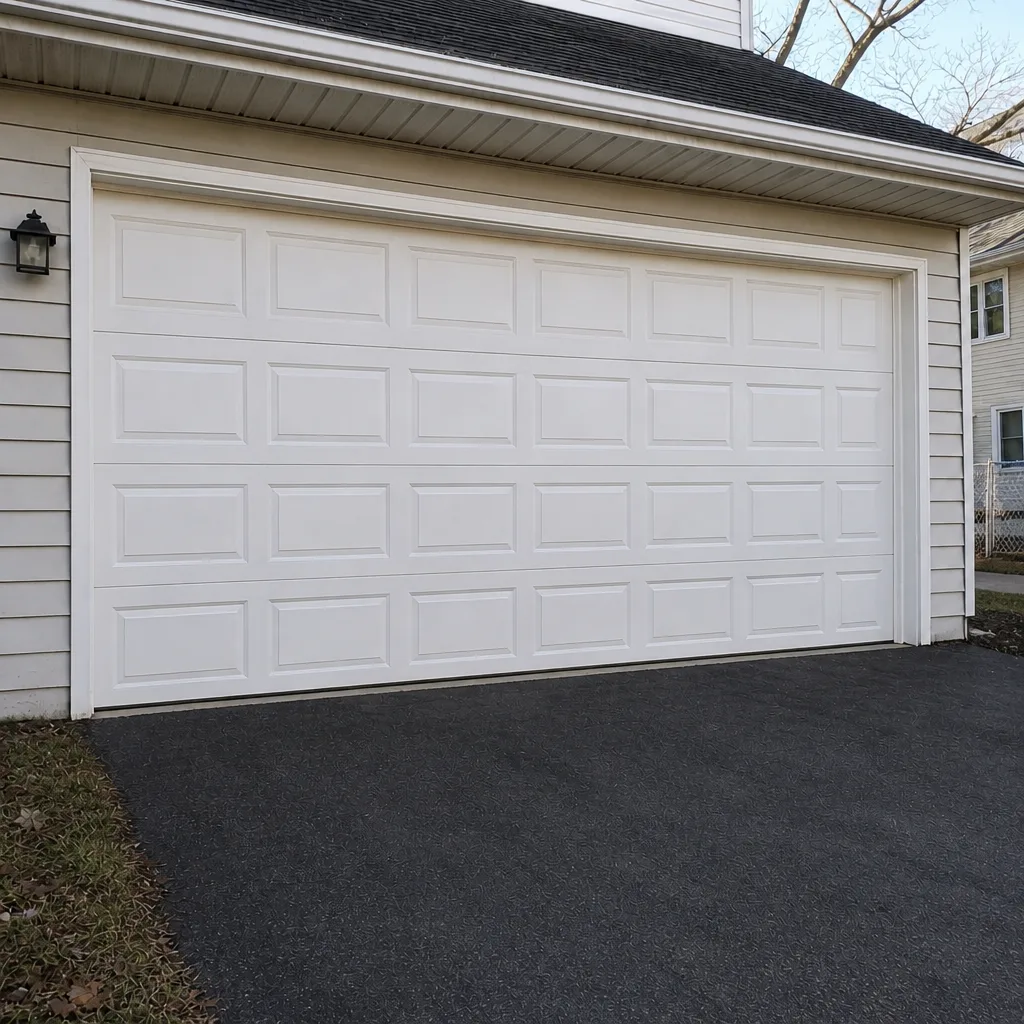 After
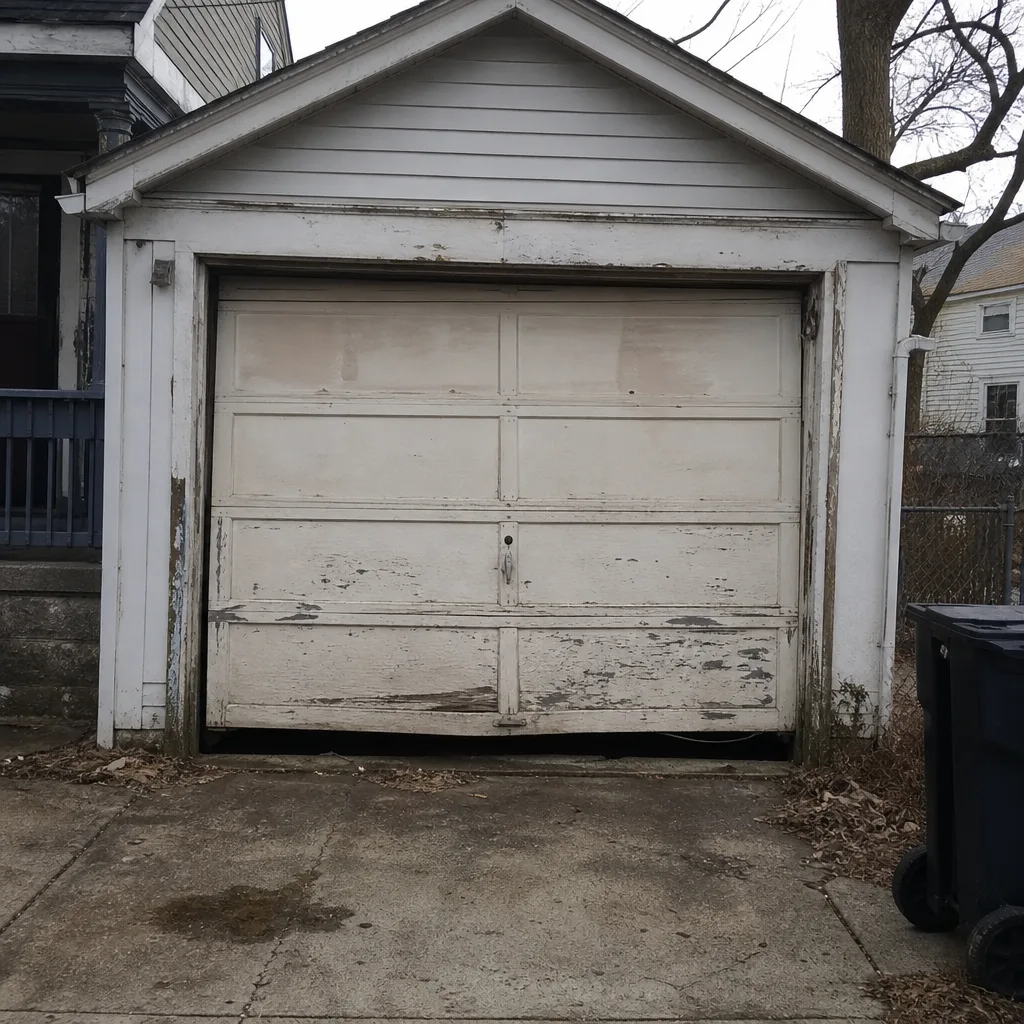 Before
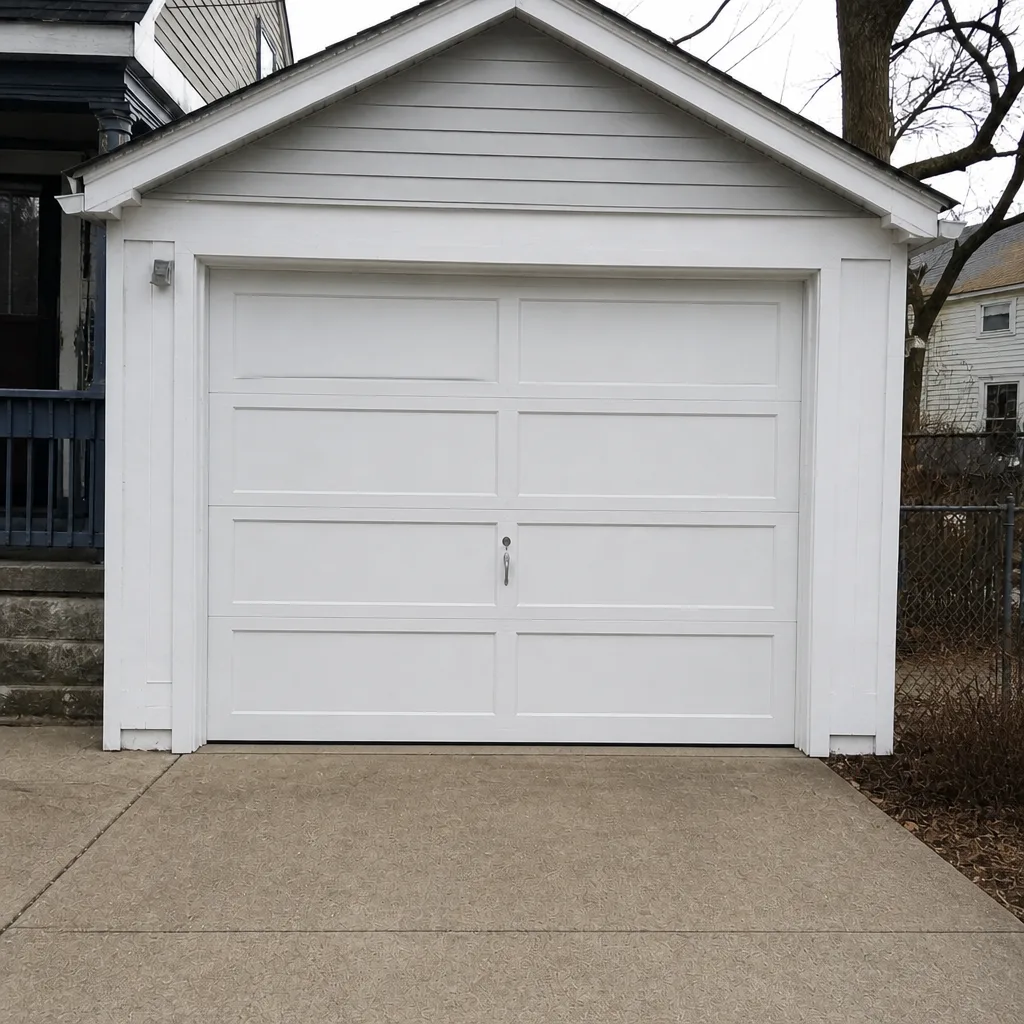 After
 Before
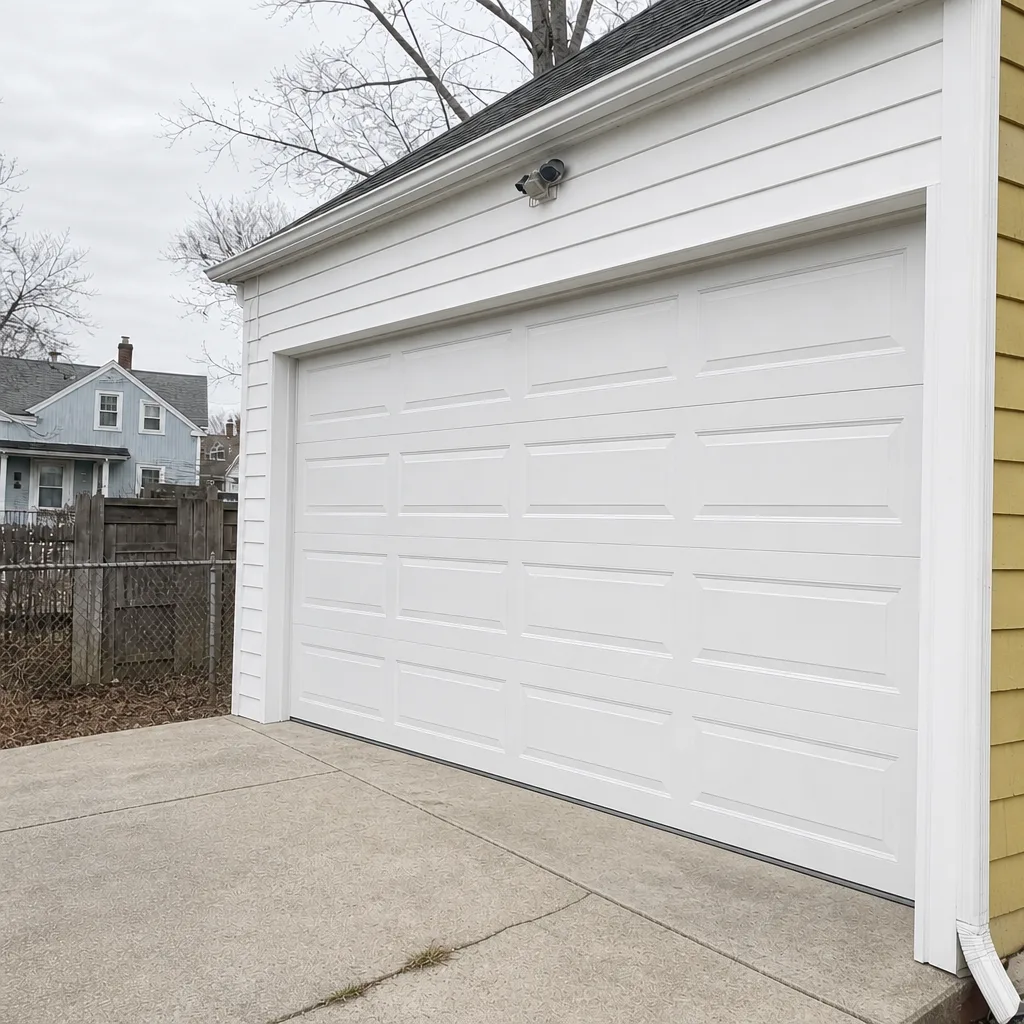 After
When to Call a Professional
If your project falls entirely outside permit territory – spring replacement, opener repair, panel and hardware service, weatherstripping, and straight like-for-like swaps – it’s still work that involves high-tension springs, heavy doors, and electrical connections on openers. Torsion spring work in particular is the most hazardous job in the garage door trade; a spring under load can cause serious injury if it’s handled without the right tools and technique. General handymen often decline that work for exactly that reason, and the right answer is a specialist who does it as their routine, not a side job. If your project is more than service – a full replacement, a new installation, or anything that touches the opening – the order of operations is: decide whether a permit is needed, get the permit issued if so, then do the work. Get that order wrong and the paperwork cost is on you. Roslindale Garage Door Repair offers free estimates in Roslindale – call (844) 944-1933. We can walk you through permit scope on the estimate, and our technicians have up to 14 years of experience on spring, opener, and door work across all eight major brands.
Frequently Asked Questions
Usually not, if the replacement is like-for-like – same opening, same dimensions, same operation. Anything that changes the structure of the opening requires a permit from Boston ISD. If the project involves widening, height changes, or reframing, confirm permit requirements before ordering the door.
The City of Boston’s Inspectional Services Department (ISD). Roslindale is a Boston neighborhood, so permits route through the same office that handles every other Boston neighborhood. Timelines depend on ISD’s current workload and whether plan review is involved.
It checks that the installed door matches the permitted scope, that structural work – headers and framing – meets code, that the fire separation on an attached garage is intact, and that opener safety devices comply. It doesn’t check spring tension or door balance; those are separate service items.
Yes, if the garage is attached to the house. The door between the garage and the living space must be fire-rated, self-closing, and self-latching. A standard hollow-core interior door or a propped-open door breaks the fire separation. This applies whether or not any permit work is happening on the garage door itself.
At resale, it typically comes up in the buyer’s home inspection or the permit record search, and the negotiation usually ends in a retroactive permit, a credit to the buyer, or the deal falling apart. Remediation before a sale is much cheaper and less stressful than remediation during closing.
Get the permit number from your contractor before work starts, look it up in Boston ISD’s online permit search, and confirm the scope listed matches the work you’re having done. Keep the permit number and the final sign-off in your records. If a contractor can’t produce a permit for a job that needs one, that’s a reason to pause.
The Bottom Line
The permit question in Roslindale comes down to a single line: are you changing the door, or are you changing the building? A direct replacement stays on the safe side of that line, and no permit is needed. Anything that touches the opening’s structure – widening, reframing, replacing a header, altering fire separation – changes the building, and that’s structural alteration territory. Boston ISD issues those permits, and the paperwork trail follows the house through every future sale. Verify the permit before work starts, keep the number and final sign-off in your records, and if you’re not sure which side of the line your project sits on, ask before you order a door. If you need help with the door work itself – Roslindale Garage Door Repair, garage door repair, garage door opener repair, or a full garage door installation – we’re a single-trade shop and we walk through the scope on the estimate. Call (844) 944-1933 for a free estimate.
Written by the team at Roslindale Garage Door Repair.