Last updated November 21, 2026
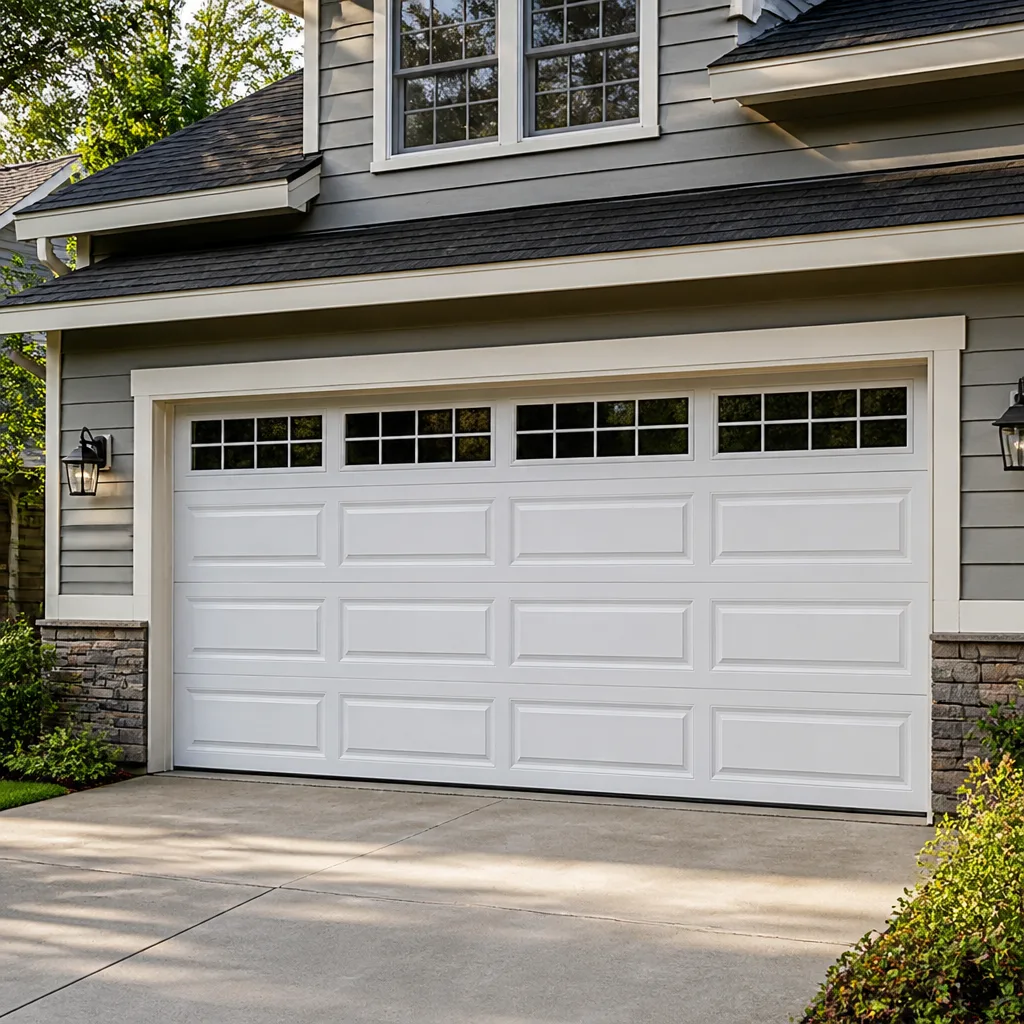 Raised-panel steel
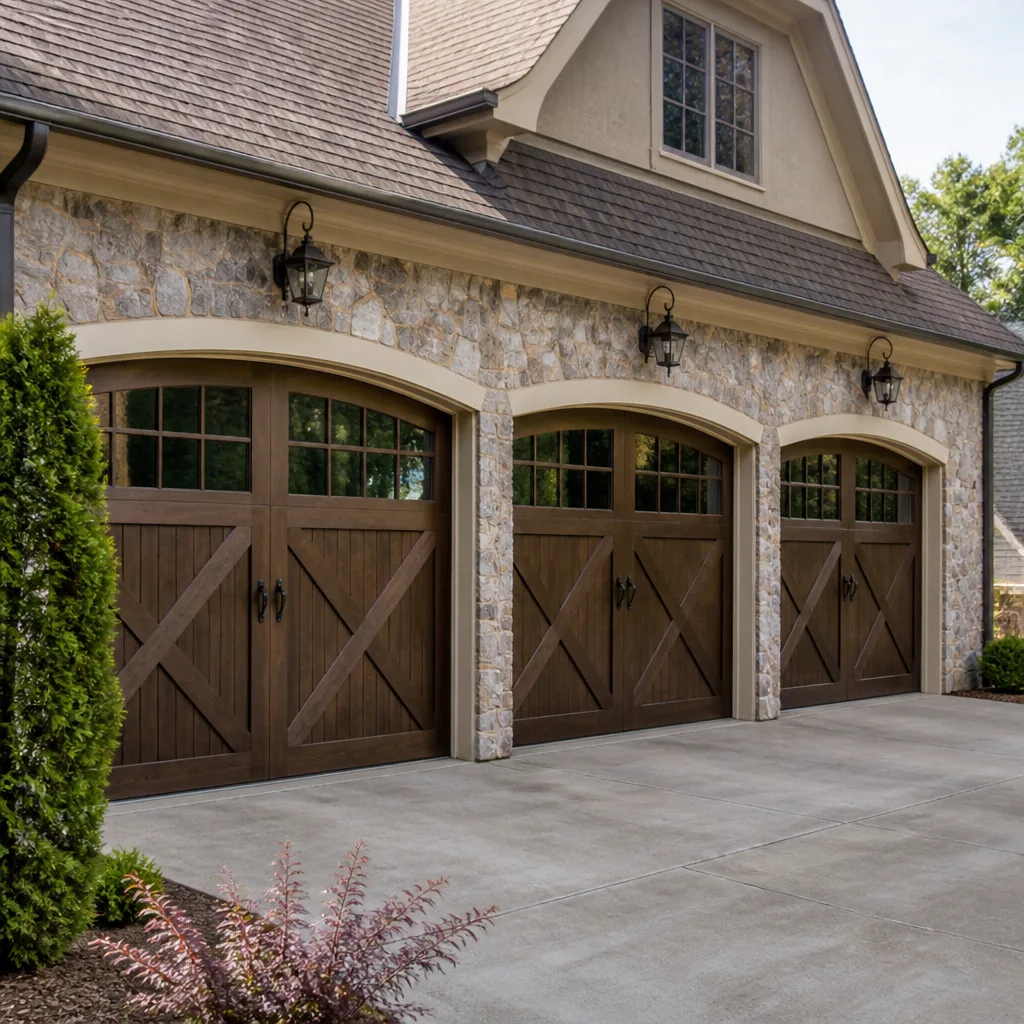 Carriage house
 Modern flush
 Full-view glass
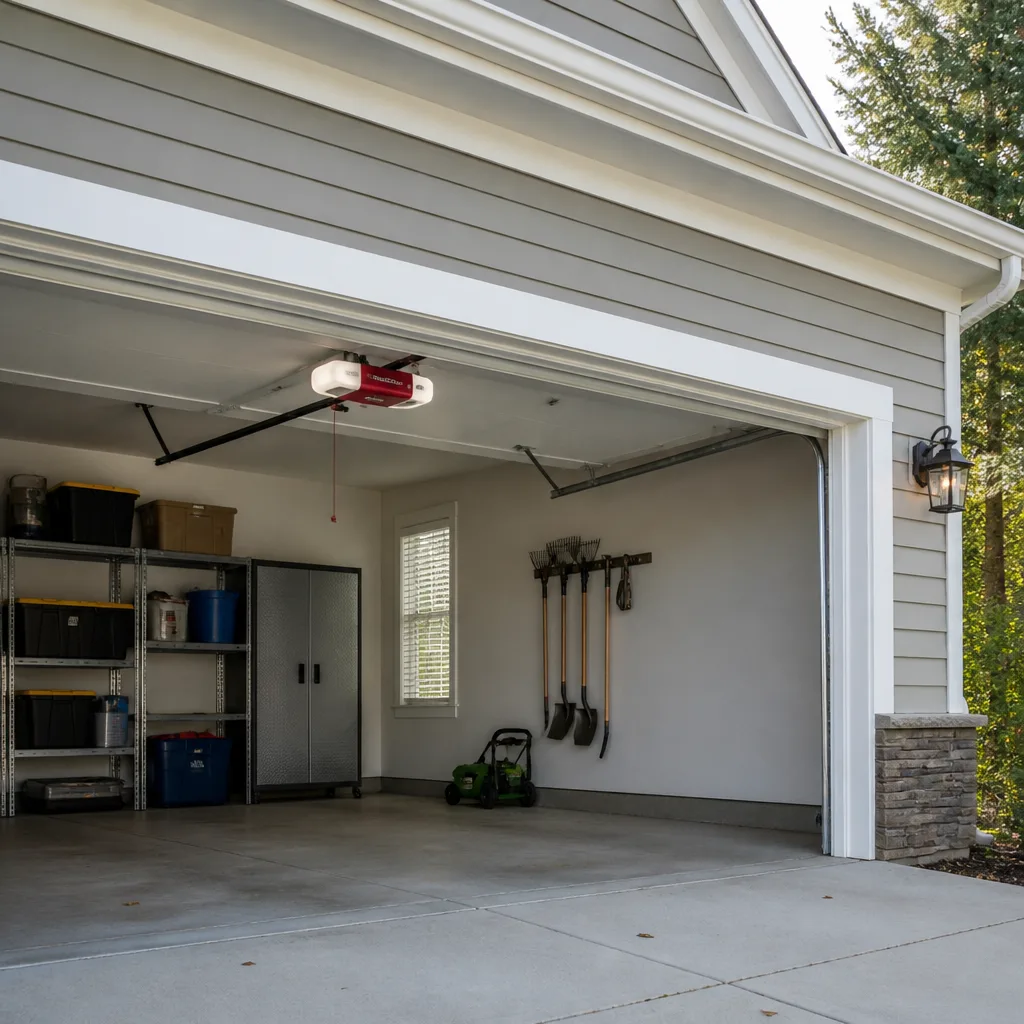 LiftMaster openers
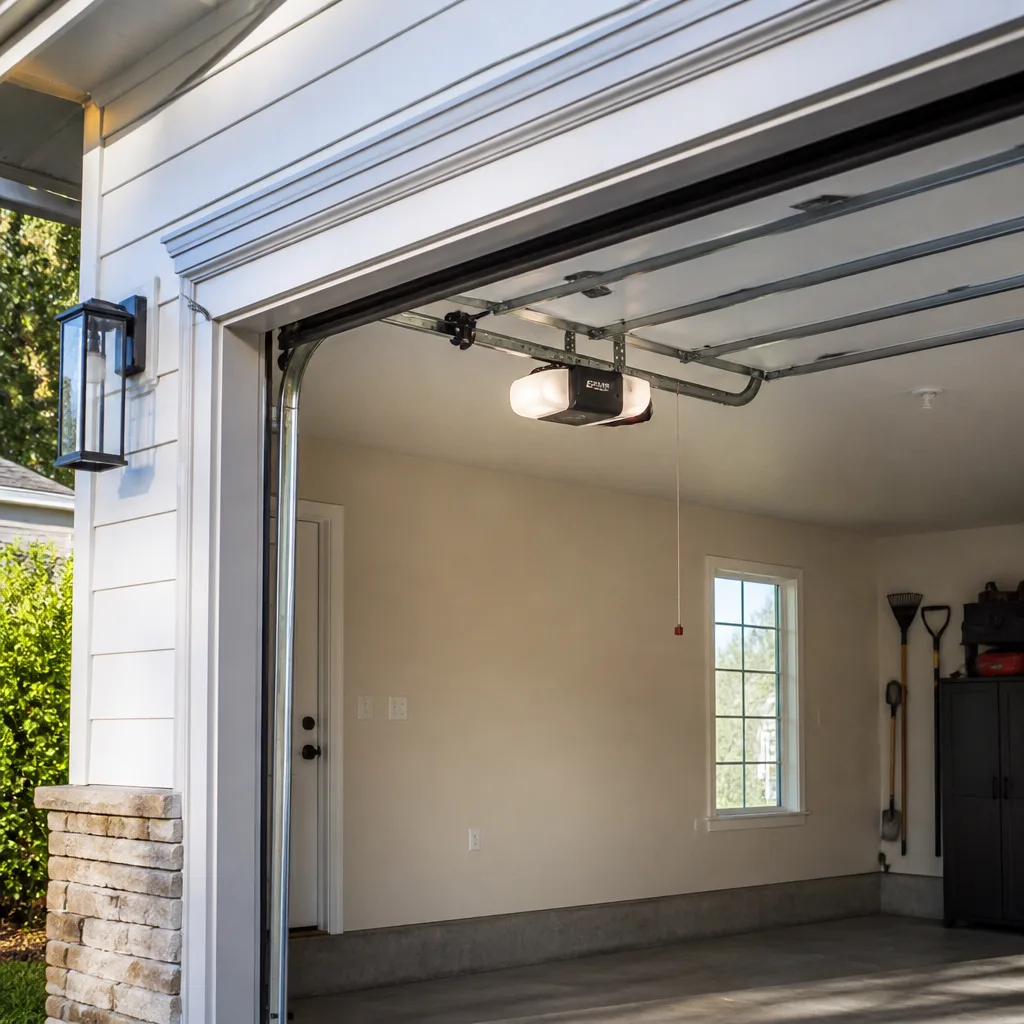 Chamberlain openers
Full 25-point door and opener safety check with every visit - springs, cables, rollers, tracks, and your LiftMaster or Chamberlain opener included
You get a price before we start. It does not change when the pro arrives.
Get your free estimateGarage Door Warning Signs: A Roslindale Homeowner’s Reference Guide
When a torsion spring snaps, it sounds like a gunshot and your door stops working. But for the six weeks before it snaps, it makes a specific creaking sound during the first lift of the morning that’s completely different from normal operation. Most homeowners hear it and assume it’s nothing. It isn’t. Warning signs guides usually describe end-stage failures – a door that won’t open is obvious. This one focuses on the subtle signals that show up weeks or months before a breakdown, organized by which component is failing, so you can describe the problem accurately when you call. We’ll walk through the sounds, the visual tells, and the behavior changes, and we’ll pay particular attention to how Roslindale‘s climate and older housing stock shape what a failing door looks like here.
Quick Answer
The most important garage door warning signs in Roslindale are a new creaking or grinding sound during the first lift of the day, a door that hesitates or travels unevenly, a visible gap where the door meets the frame, a cable that looks like it’s starting to unwind, and an opener that labors or reverses without obstruction. Any one of these means the door is telling you something is wearing. If the door is crooked, a spring is broken, or a cable is visibly loose, stop using it and call a specialist. If it’s a sound or a slight hesitation, schedule service this week before a small wear item becomes a dangerous failure.
Styles & brands we work with
- Raised-panel steel
- Carriage house
- Modern flush
- Full-view glass
- LiftMaster openers
- Chamberlain openers
Table of Contents
- Why Early Warning Signs Matter More Than Breakdowns
- A Sound-Based Diagnostic: What Each Noise Tells You
- Visual Tells That Require No Mechanical Knowledge
- Behavioral Symptoms and What They Map To
- The Danger Hierarchy: Schedule vs. Stop Using It Now
- When It’s Not the Opener: Separating Component Issues from System Wear
- How Roslindale’s Climate and Housing Affect Your Door
- The Spring Pre-Failure Window
Why Early Warning Signs Matter More Than Breakdowns
Most garage door advice is written for the moment things have already failed. The spring is broken, the door is cocked sideways, and there’s nothing to do but call someone. That’s the easy part. The harder and more useful skill is reading the door during the weeks when it’s still working but telling you something is wrong. That window is where homeowners in Roslindale get the most value out of knowing what to look for.
A garage door is a system of parts that wear at different rates. Springs carry most of the heavy lifting, rollers and hinges handle the movement, cables tie everything together, and the track keeps the whole thing aligned. Each part fails in a predictable way, and each one announces itself in a predictable way before it does. The trick is that the announcements are quiet. A worn roller doesn’t ask for attention. A cable that’s starting to fray doesn’t stop the door. A spring that’s losing tension still lifts the door, it just works harder to do it.
In our experience servicing doors around Roslindale, we’ve found that the vast majority of catastrophic failures are preceded by at least one or two subtle warning signs that the homeowner noticed but didn’t act on. Not because they were careless, but because a small noise doesn’t feel urgent. This guide is meant to change that calculation. A noise is data. So is a slight hesitation, a fresh gap in the weather seal, or a door that seems to lean a little more than it used to.
Read this guide once, then keep it as a reference. You don’t need to memorize it. You need to know what a normal door looks and sounds like well enough that you notice when something shifts. That’s the difference between a $200 spring repair and a door that’s been limping along on a failing cable until the cable snaps and takes the opener with it. When something changes, you’ll know to call for garage door repair before it becomes an emergency.
A Sound-Based Diagnostic: What Each Noise Tells You
Sound is the earliest and most reliable diagnostic signal you have, because a door under load makes noise before it shows any visible wear. The problem is that most people don’t have a baseline. They hear something new and think “I guess that’s just how it sounds.” The cure is knowing the four sounds that matter and what each one indicates.
1. The Creak on First Lift of the Morning
A spring that’s starting to lose effectiveness creaks during the first lift of the day because the door has been sitting in one position for hours and the spring is at its most relaxed. As the door goes up, the spring has to take the full load again, and that transition produces a lower, slower groan than the steady sound a healthy door makes during operation. The key detail: it fades once the door has been cycled a few times. That’s because the spring is warm. A healthy spring doesn’t need to warm up. If you hear the creak on first lift and not the fifth, that’s a spring telling you its days are numbered.
2. A Grinding or Scraping on the Track
Rollers that are worn flat or have ceased to spin glide across the track instead of rolling through it. The result is a grinding sound that follows the roller as it moves up or down. It’s most noticeable near the top of the travel because that’s where the roller has the most track to scrape. Steel rollers are common on older doors still in service around Roslindale, and they wear faster than the nylon rollers found on newer installations. Grinding is a maintenance issue, not an emergency, but it accelerates track wear and, if you leave it, the track itself can deform.
3. A Clunk or Sprocket Rattle From the Opener
A slack opener chain or a worn sprocket produces a distinctive rattle that’s separate from the door’s own sounds. It comes from the rail at the ceiling rather than the door itself. Genie and Chamberlain openers are common in Roslindale homes and both use a chain or belt drive that will tell you when it’s tired. A loose chain slaps the rail as it moves. A worn sprocket produces a clunking rattle at the transition between opening and closing. Left alone, slack chain can jump off the sprocket entirely and leave you with a door that doesn’t respond to the remote. This is often the first sign that home owners need to call for garage door opener repair rather than a full door replacement.
4. A Sharp Metallic Ping or Snap
This one is an emergency signal, not a warning. A sharp metallic ping or snap, followed by the door becoming hard to lift or refusing to move, means a spring has broken. Stop using the door and call immediately. Do not try to lift it yourself. Do not pull it with the opener. A door with a broken spring is dead weight, and the opener is not built to lift that much mass. Forcing it can strip the opener gear or rip the top panel loose from its hinges.
- Creak on first lift: Spring wear. Schedule service this week.
- Grinding on the track: Worn rollers. Schedule service when convenient, but don’t ignore it.
- Clunk or rattle from the rail: Slack opener chain or worn sprocket. Schedule opener repair.
- Sharp metallic ping or snap: Broken spring. Stop using the door and call now.
Visual Tells That Require No Mechanical Knowledge
You don’t need to know what a torsion spring is to spot the visual signs of a door in trouble. Every important visual warning sign is something you can see from the driveway with the door closed, then again with it open. A quick visual check every few months catches most of what’s about to fail. Here’s what to look for, in the order you should look.
Cables Starting to Unwind
The cables are the thin steel wires that run from the bottom corners of the door up to the drum or spring system at the top. When a cable is healthy, it sits tightly wound on the drum with a clean, even pattern. When a cable is starting to fail, you’ll see one of three things: a strand or two sticking out from the bundle (a “birdcage”), a section that looks kinked or doubled back on itself, or a cable that’s no longer sitting in its drum groove. Any of these means the cable is under stress and can snap without warning. Stop using the door. Cables are under high tension and are one of the most dangerous parts of the system to inspect closely, so don’t touch them.
Rollers About to Fail
Open the door and look at the rollers – the small wheels that run along the track. A healthy roller is cylindrical and spins freely when you watch it move. A failing roller looks flat on one side, has visible cracks in the nylon, or has stopped turning entirely and slides instead. Nylon rollers develop a flat spot before they crack, and that flat spot produces the grinding sound described above. Steel rollers show their wear as a persistent squeak rather than a flat spot.
The Alignment Gap That Signals a Bent Track
Close the door most of the way and stand to one side. The gap between the door and the door frame should be even on both sides and should match the width at the top and bottom. If the gap is wider on one side than the other, or if the vertical line of the door leans slightly in or out, the track has probably bent. This is common on doors that have been bumped by a car pulling in too close, and it’s very common on doors that have been opened or closed against an ice dam or a snowbank across the bottom of the Roslindale driveway. A bent track will warp the door panels if left alone, and it needs to be addressed by a technician who can realign the track under the correct tension.
The Counterbalance Spring at the Top of the Door
If you can see the torsion spring across the top of the door – the horizontal coil – a visible gap in the coil is a broken spring. No gap means it’s intact, but it doesn’t mean it’s healthy. A tired spring can look fine and still be underbuilt for the door. That’s why sound is a better indicator for springs than sight. For extension springs, which run along the sides above the horizontal track, look for a safety containment cable running through the center of the spring. If it’s missing, that’s a safety issue independent of the spring’s condition.
Behavioral Symptoms and What They Map To
Behavior changes are easy to dismiss because they’re rarely dramatic. The door goes up, just a little slower than it used to. It closes, just with a slight hesitation at the top. It reverses, and you assume something set off the safety sensor. Each of these behaviors maps to a specific mechanical cause, and knowing the cause tells you how urgent it is.
Hesitation at the Start of Travel
If the opener clicks and then the door takes a second to actually move, the opener is straining against a door that’s heavier than it expects. That added weight almost always comes from spring tension loss or a roller dragging in its track. The opener doesn’t hesitate on its own. It runs at a fixed speed until it can’t, and the hesitation is the moment it’s overcoming static friction that shouldn’t be there. This is the classic “opener working too hard” symptom, and it’s covered in more detail below.
Uneven Travel or a Door That Leans
A door that leans visibly as it goes up, or that travels faster on one side than the other, has an imbalance in its lift system. That can be a broken spring on one side (on two-spring setups), a stretched extension spring, a cable that’s jumped its drum, or a bent track on one side. This is a “stop and call” symptom. A door traveling unevenly places asymmetric load on the panels and hinges, and it can pull entirely off the track if you keep running it.
Reversing Without Obstruction
The safety reverse is a crucial feature and it exists for good reason – it prevents a closing door from trapping a person or pet. But if the door reverses at random with nothing in the way, one of three things is happening. The photo-eye sensors at the bottom of the track are misaligned, dirty, or in direct sunlight during a specific part of the day. The opener’s force limits are set too low, which becomes more common as the door ages and its actual force needs rise. Or the track is binding just enough to register as an obstruction. Reversing is not a door failure in itself, but it is a signal that the sensing system and the door’s actual load need to be checked together.
Slow Closing or Slow Opening at One Specific Point
A door that runs evenly for most of its travel and then slows at one specific point is dragging against something. Usually that point corresponds to a flat spot on a roller, a small track dent, or a hinge that’s stiffened up and needs lubrication. Note the height at which the slowdown happens and tell the technician when you call. It saves diagnostic time and it helps them bring the right parts.
- Hesitation at start: Spring tension loss or roller drag.
- Uneven travel or leaning: Single-spring break on a two-spring door, cable jump, or bent track. Stop using the door.
- Reversing without obstruction: Sensor misalignment, force settings, or track binding.
- Slowdown at one point in travel: Flat spot on roller, track dent, or stiff hinge.
- Door will not close at all: Safety sensor fault or opener limit switch failure.
The Danger Hierarchy: Schedule vs. Stop Using It Now
Not every warning sign is created equal. Some are routine maintenance, some are urgent, and some are genuinely dangerous. Knowing which is which keeps you from panicking over a squeak and also keeps you from running a door that could hurt someone. Here’s the hierarchy we use when a homeowner describes a symptom to us over the phone.
Stop Using the Door and Call Now
These symptoms mean the door is in a state where continuing to operate it risks injury or causes structural damage that will cost more to fix. Stop using the door, unplug the opener if you can reach the cord, and call a specialist.
- A loud snap or gunshot sound followed by the door not opening
- The door is crooked, leaning, or hanging off one side
- A visible gap in the torsion spring coil
- A cable that has come off its drum or shows broken strands
- The door will not close and the safety sensors cannot be realigned
- Any grinding or scraping followed by the door reversing partway
Schedule Service This Week
These symptoms mean the door is still functioning but is on a wear path toward failure. A few days is fine; a few months is not. Left too long, they evolve into the category above.
- Creak on the first lift of the morning that fades with use
- Grinding as the door moves up or down the track
- A rattle or clunk from the opener rail
- Slowdown at one point in travel
- Visible flat spots or cracks on rollers
- A growing gap between the door and the frame
Note It and Monitor It
These are minor signals that don’t require a service call on their own but should be noted and rechecked in a few weeks. If they persist or get worse, they graduate up the list.
- A slight squeak at a hinge
- A weather seal that’s starting to pull away
- A remote or wall button that occasionally doesn’t respond on the first press
When It’s Not the Opener: Separating Component Issues from System Wear
Here’s the most common diagnostic mistake homeowners make: they hear the opener straining and assume the opener is failing, so they call about openers, or worse, they buy a new opener. In our experience, an opener that’s working harder than usual is usually the messenger, not the culprit. Something else in the system has gotten heavier, and the opener is compensating. Replacing the opener fixes nothing and the new unit burns out faster because it’s doing the same extra work.
The diagnostic logic that separates the two goes like this. A healthy opener should be able to lift a properly balanced door with minimal effort because the springs do the lifting. The opener’s job is to guide the door, not to raise it. So if the opener is straining, ask why the door needs more help than it should. The answer is almost always one of four things: spring tension loss, a roller that’s dragging, a bent track that’s adding friction, or a cable that’s out of its groove and pulling against the drum.
The Manual Balance Test
There’s a simple test that tells you whether the door is balanced. With the door closed, pull the manual release cord on the opener (the red handle hanging from the rail), then lift the door about halfway by hand and let go. A balanced door will stay roughly where you left it. A door that sags or drops has spring tension loss or a broken spring. A door that feels heavy from the moment you start lifting has a spring problem too. If you do this test and the door is clearly unbalanced or you can feel it dropping, do not continue operating it – the springs are compromised. This is the one instance where a manual check is safe because the door isn’t moving under power, but if anything about it feels wrong, stop and call.
Where the Eight Brands Matter
The diagnostic logic above applies to any door, but the details matter by brand and age. A Clopay door from a particular era uses a specific spring system, an Amarr door from another era uses another. A Chamberlain opener has different force-limit behavior than a Genie opener. Being factory-familiar with the major brands – LiftMaster, Chamberlain, Genie, Clopay, Amarr, Wayne Dalton, Craftsman, and Raynor – means the technician can shortcut the diagnostic and source the right replacement parts without guesswork. That’s why the initial diagnosis usually resolves in a single visit rather than becoming a second call when the wrong parts arrive. For a homeowner in Roslindale who’s already heard the creak for a month and is now hearing a grind, a first-visit fix makes the difference between a routine service call and a growing list of replacement parts.
If your door needs a more serious intervention than repair can handle, we also handle garage door installation and can walk you through the tradeoffs between repairing a worn door and replacing it.
How Roslindale’s Climate and Housing Affect Your Door
A warning sign guide written for Phoenix wouldn’t apply here, and vice versa. Roslindale’s seasonal pattern – cold winters with freeze-thaw cycles, wet springs, hot and humid summers – creates a specific wear profile that shows up on doors in this neighborhood’s housing stock. Knowing what to expect based on the season helps you know what to look at.
Winter is the season when most doors in Roslindale break. The reasons are structural. Cold contracts steel, so cables and springs are under slightly different tension when temperatures drop. Panels and tracks are stiffer. Freeze-thaw at the bottom of the door – snowmelt that pools, freezes, and expands against the bottom seal – creates real load on the door’s weather seal, which can flex the bottom section of the door and stress the track alignment over time. This is why a door that runs cleanly in October can start showing a hesitation by December. If the bottom of your driveway collects water and freezes, that’s a specific warning sign to check for after every cold snap: a bent bottom bracket, a weather seal that’s pulled away from the door, or a track that’s no longer plumb at the floor.
Spring is the season when the results of winter show up. Rollers that ran fine in October have taken their wear quietly, and the first warmer days produce more cycles per day as people use the garage again for projects. This is when grinding on the track and slack chain rattle tend to appear. It’s also when the door’s own weight has cycled enough times to reveal spring wear that first developed the previous summer.
Summers in Roslindale are warm and humid, and humidity gets into the wood framing around the door, the door’s own wood or composite components on older carriage-style doors, and the lubricant on hinges and rollers. Lubricant that has dried over dry months and now has moisture in it will not protect the moving parts. A hinge that’s been quietly stiffening all spring starts squeaking loudly in July. Hot summers also cause thermal expansion in the track, which can make a borderline alignment issue visible only in the heat of the day.
The specific housing stock of Roslindale matters too. Neighborhoods like Roslindale Village, Mount Hope, and the Archdale area have a lot of older homes, and older garages often have doors and openers that have been updated piecemeal over the years – a newer opener on an older door, or newer springs on a door with old rollers. Mixed-age systems have mixed-age wear, and that means the diagnostic needs to look at every component, not just assume the newest part is the culprit. A brand like Amarr on the door and a Genie on the opener is a common combination we see in this area, and it works fine, but each needs to be evaluated on its own wear schedule.
The Spring Pre-Failure Window
Springs are the most dangerous component on a garage door, and they’re the one component where the warning period is genuinely valuable to catch. A torsion spring that’s about to break gives you a sound-cue window. A torsion spring that’s already broken gives you nothing – the door simply stops. That’s why the pre-failure window is worth knowing about in detail.
The pre-failure sound profile has four stages, and each one tells you slightly more about how close the spring is to the end:
- Stage 1 – The first-lift creak. A low creak during the first cycle of the morning that fades after a few open/close cycles. The spring is still carrying the load, but it’s fatigued. This is the earliest sign. Schedule service within the next several weeks.
- Stage 2 – The creak that doesn’t fade. The lower creak stays present across multiple cycles. The spring is losing tension faster now. Service within the week is the right move.
- Stage 3 – The heavier door. The door feels noticeably heavier when lifted by hand, and the opener is hesitating at start. The spring may have partially failed or lost significant tension. Service now.
- Stage 4 – The pop. A sharp pop or snap, followed by the door refusing to lift. The spring has broken. Stop using the door and call now.
The pre-failure window matters more than it sounds because of the nature of torsion springs. They’re wound to significant tension, and when they break they release that tension instantly. A trained specialist can release the remaining tension safely and replace the spring. A homeowner without the training and the right tools cannot. This is one of the reasons general handymen often decline spring work – it’s a hazardous job, and it requires specific tools and a specific technique. We handle torsion and extension spring work as a standard part of our service, and it’s the repair that gives us the most repeat-call avoidance because it’s done right the first time.
The One Spring or Two Spring Question
If your door has two torsion springs (common on wider doors), a broken spring is not always obvious. One spring can break and the other can carry the door partway through the cycle, which means the door still opens but leans or travels unevenly. That’s the stage 3 experience for a two-spring door – it doesn’t stop, it just runs crooked. If you notice the door leaning mid-travel and then returning to a normal-looking closed position, that’s a strong signal of a single-spring break on a two-spring door. Stop using it and call.
Springs are also the component where climate and cycle count combine. A door that cycles eight times a day in summer and two times a day in winter is going to hit its spring’s cycle limit on a schedule that depends on the household, not just the calendar. If your household traffic is high, the pre-failure window is shorter. If you notice the creak, don’t wait for a good time to call. When you’re ready to schedule, our Roslindale Garage Door Repair team can talk through what you’re hearing and book the right kind of visit.
Common Mistakes to Avoid
- Assuming a sound will go away. A creak or grind on a garage door in Roslindale is a wear signal, not a temporary quirk. The only sound that goes away on its own is the sound of a door that stopped working. If you hear something new, note it and act on it.
- Lubricating the springs. Springs should not be oiled. Lubricating a torsion spring can prevent the technician from reading the wear pattern, and on some spring types it attracts grit that accelerates wear. Save the lubricant for the hinges, rollers, and track pins.
- Buying a new opener to fix a door problem. If the opener is straining, the door is heavy. New openers don’t fix gravity. They just burn out sooner. Address the door balance and spring tension first.
- Ignoring a leaning door because it still closes. A door that leans is a door that’s about to come off its track. Stop using it. The cost of an off-track repair is far higher than the cost of a service call.
- Letting snow pile up against the door in winter. Snowmelt that freezes at the bottom of the door presses on the bottom section and stresses the bottom brackets and track alignment. Clear the snowbank in front of the door after storms, especially in the Roslindale neighborhoods that sit on steeper grades.
- Forgetting to test the safety reverse. Put a small object in the door’s path and confirm the door reverses when it meets the object. If it doesn’t, the sensor or the opener force limit needs to be checked. This is an annual test, not a once-ever test.
- Diagnosing over the phone with a phrase instead of a sound. “It’s making a noise” is not enough for a technician to bring the right parts. Listen to the four sounds in this guide and describe which one you’re hearing, where it’s coming from, and when it happens. That specificity is what turns a first-visit fix into a first-visit fix.
See the difference
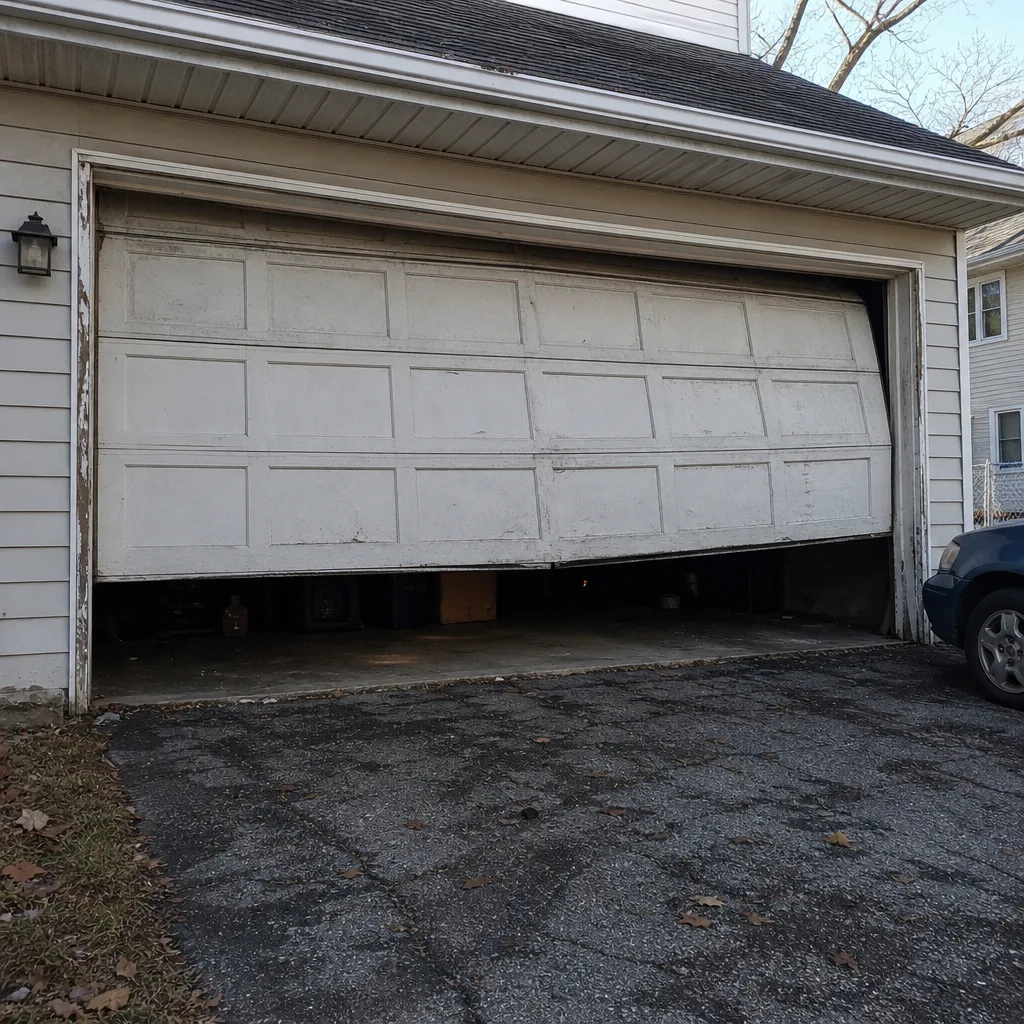 Before
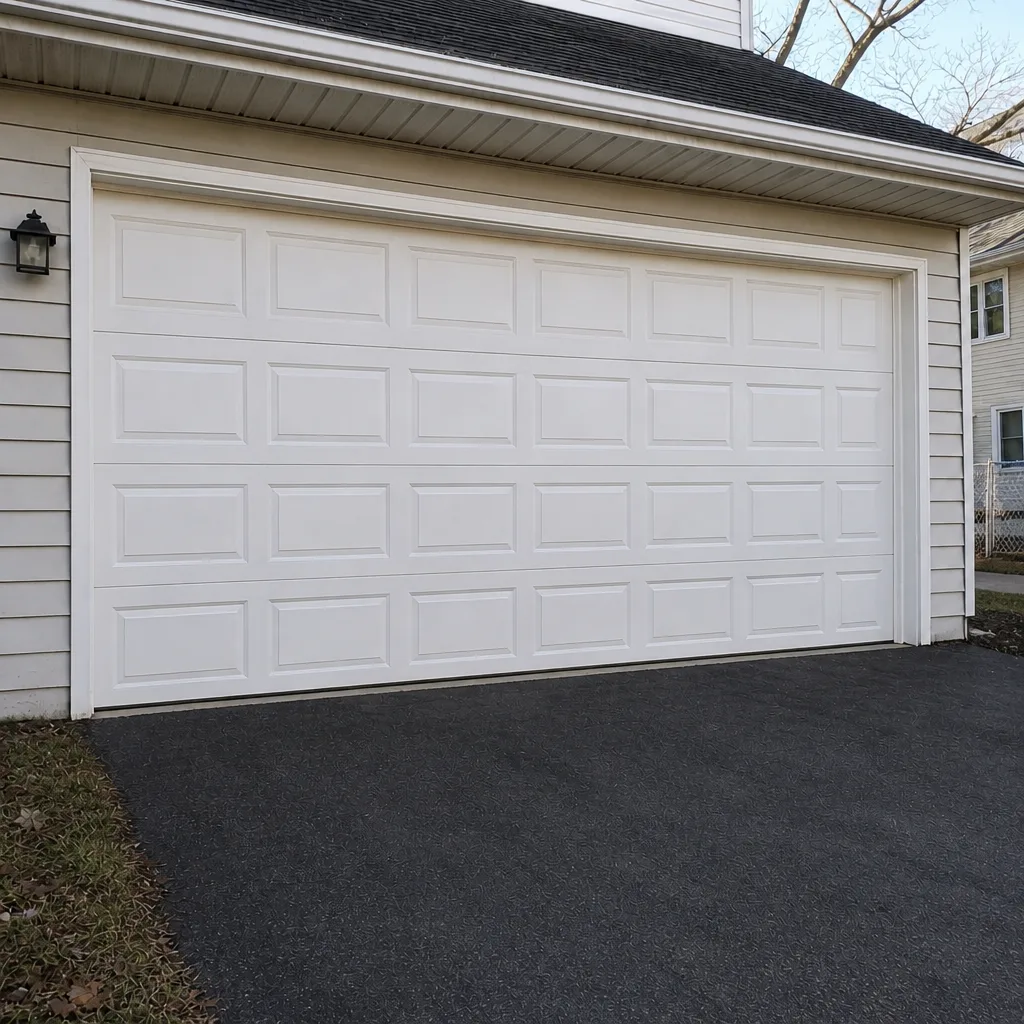 After
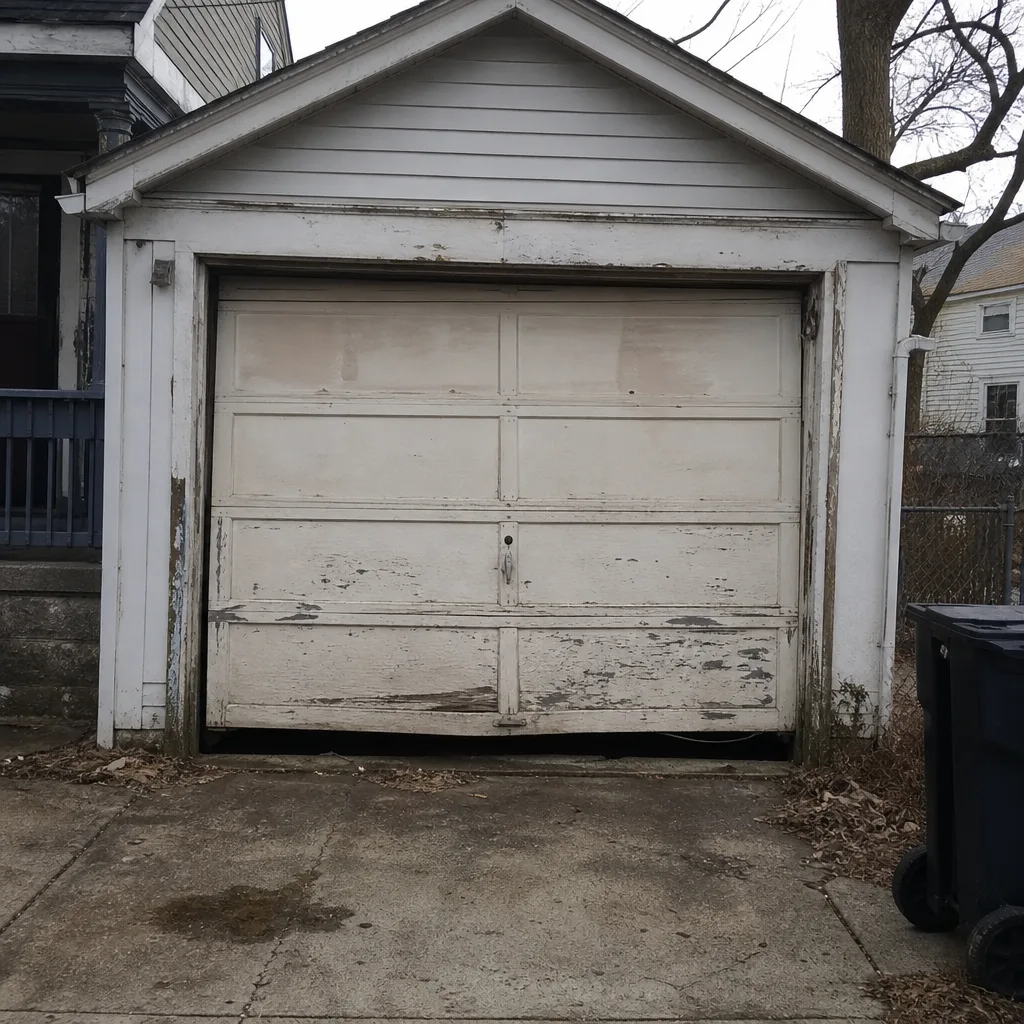 Before
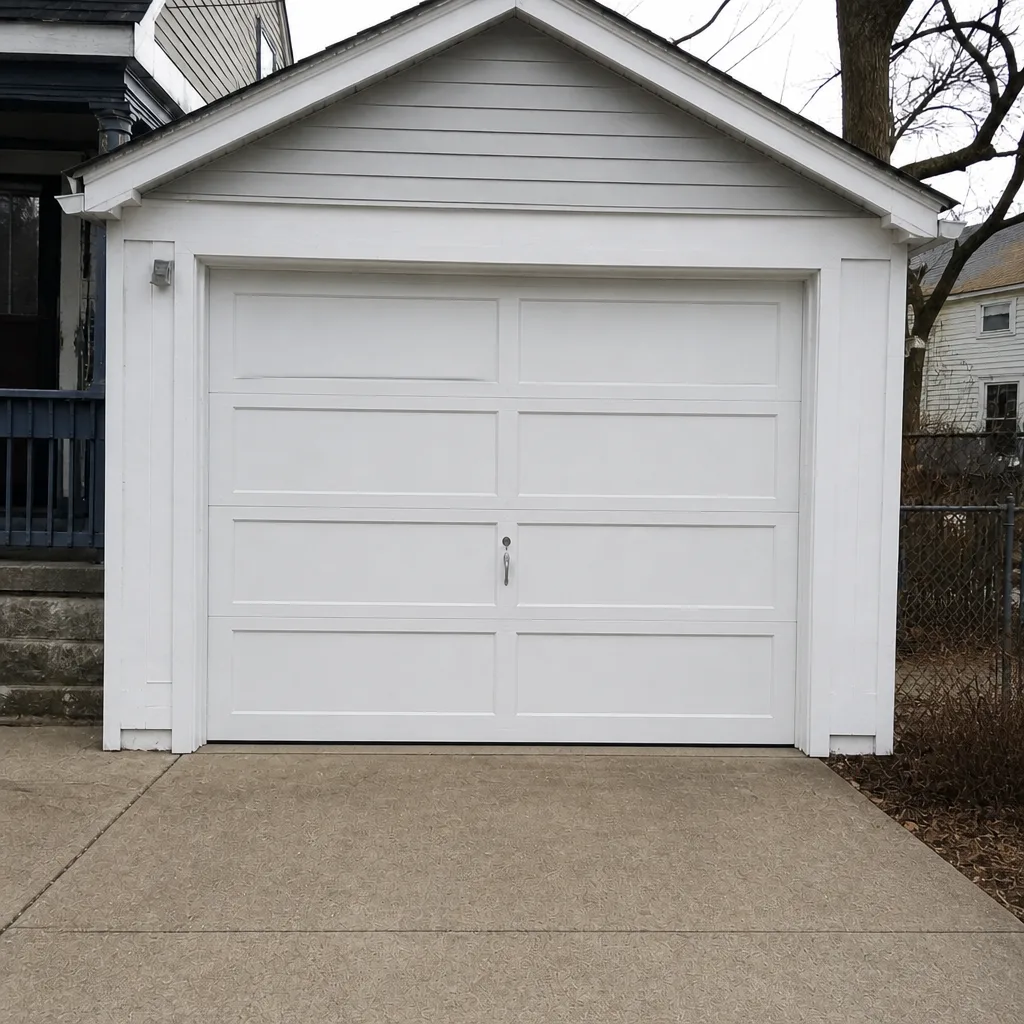 After
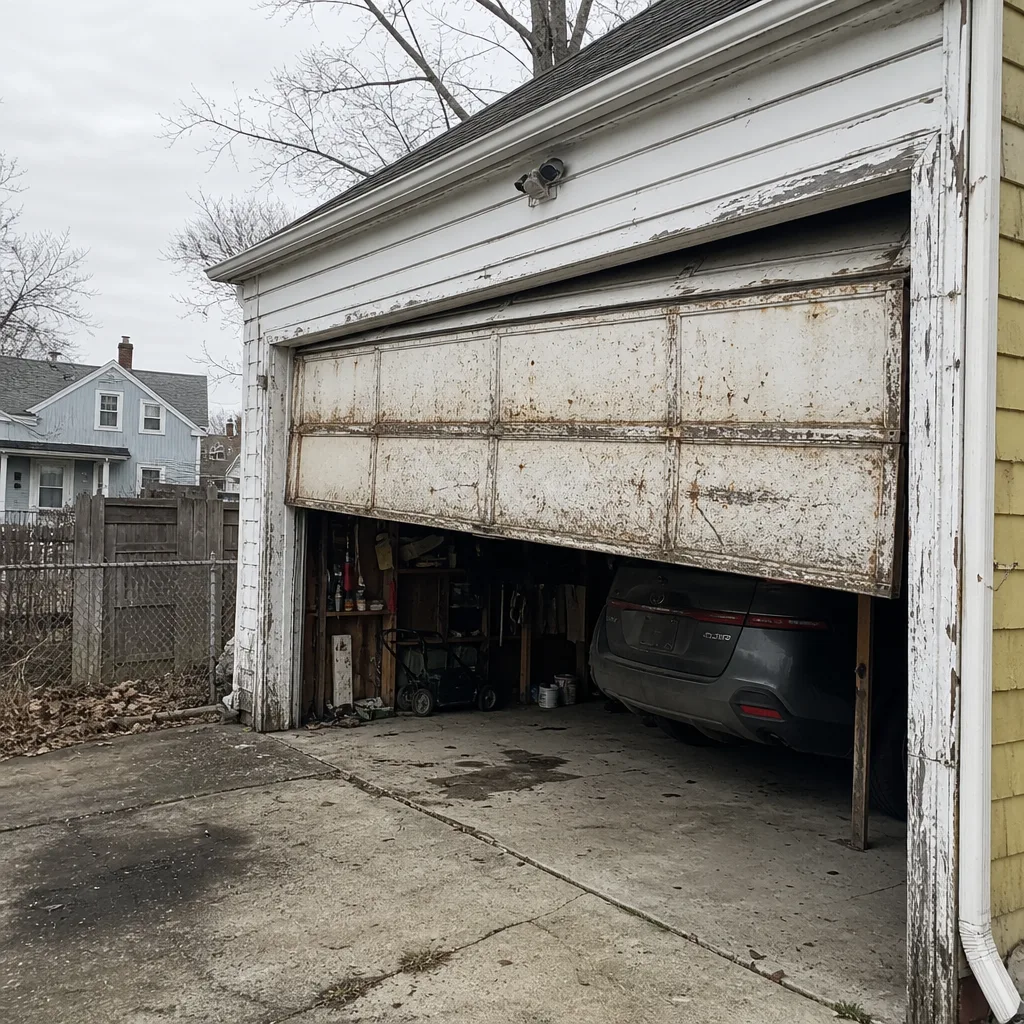 Before
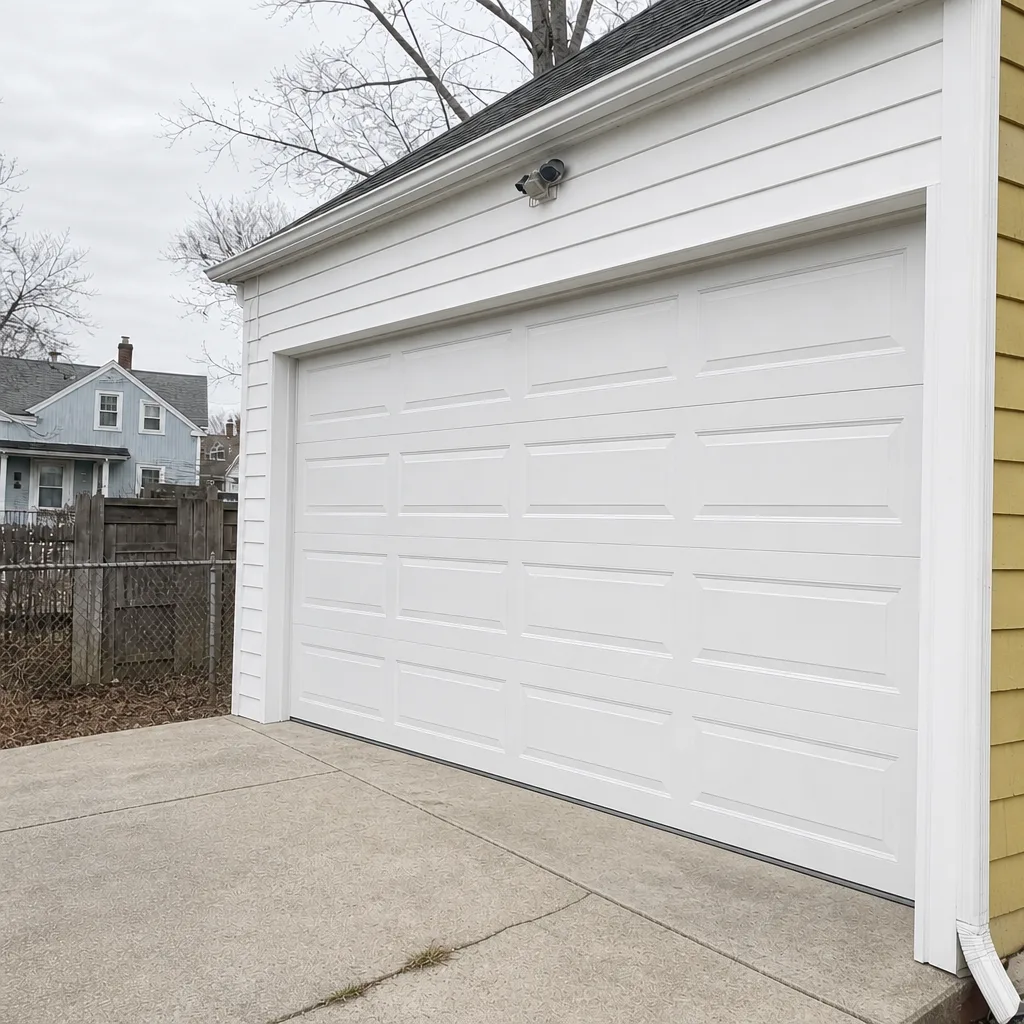 After
When to Call a Professional
Call a professional immediately if the door is crooked, a spring has visibly broken, a cable is off its drum or has broken strands, or the door has stopped working entirely. Call to schedule service within the week if you’re hearing the first-lift creak, a grind on the track, or an opener rattle. These are the warning signs that make the difference between a routine repair and an emergency call. For anything involving the springs, the cables, or the shaft assembly at the top of the door, don’t attempt the work yourself; those components are under tension, and the right tooling and technique are not optional. Roslindale Garage Door Repair offers free estimates in Roslindale – call (844) 944-1933 to describe what you’re hearing and book a visit. Our technicians have up to 14 years of experience and can diagnose and fix most warning-sign issues in one appointment.
Frequently Asked Questions
The first-lift creak is the most common early warning sign in Roslindale. A door that creaks on the first open of the morning and then sounds normal is telling you its torsion spring has lost tension and is about to fail. Schedule service within the week rather than waiting for the spring to break. Call (844) 944-1933 for a free estimate.
A spring about to break creaks during the first lift of the day, feels heavier than usual when you lift the door by hand, and may cause the opener to hesitate at the start of travel. If you notice a visible gap in the spring coil or hear a sharp pop, the spring has already broken – stop using the door and call (844) 944-1933.
Grinding on the track is safe for a short period, but you should schedule service within the week. Grinding means worn rollers are scraping the track, and continued use deforms the track itself. If the grinding is accompanied by the door reversing or hesitating, stop using it and call (844) 944-1933 for a same-day appointment.
No, an opener that’s straining is usually working against a heavy door, not failing on its own. The problem is almost always spring tension loss, a dragging roller, or a bent track. Replacing the opener won’t fix it. Call (844) 944-1933 and ask us to check the door balance first.
No. Our technician quotes the price on site and confirms it with you before any work starts, and that quoted price is the price you pay. If the diagnosis reveals an additional issue, the quote for that work is presented separately and you decide whether to proceed. Call (844) 944-1933 for a free estimate.
The local professionals we connect Roslindale homeowners with are licensed and insured as required by Massachusetts state law. Our technicians have up to 14 years of experience, and every visit begins with a full diagnostic of the door, springs, cables, opener, and track before any work is quoted. Call (844) 944-1933 to book.
Roslindale’s freeze-thaw cycle is the biggest factor in winter door failures. Snowmelt that freezes against the bottom of the door stresses the bottom brackets and can bend the lower track. Cables and springs under cold tension behave differently, and a door that runs cleanly in fall can start hesitating by December. After every cold snap, check the weather seal at the bottom of the door and confirm the door still closes evenly against the frame.
The Bottom Line
Warning signs on a garage door aren’t dramatic. They’re a creak on the first lift of the morning, a grind along the track, a slight hesitation at the start of travel. Those small signals are the difference between a routine repair and a dangerous failure – especially when the component in question is a spring or a cable. The sound-based diagnostic in this guide is what you’ll actually use: creak means spring, grind means roller, rattle means chain or sprocket, pop means broken spring and stop now. The visual and behavioral checks fill in the rest. If the door is crooked, a cable has come off its drum, or a spring has visibly broken, stop using it and call. For everything else, schedule service this week. Call (844) 944-1933 for a free estimate from a garage door specialist in Roslindale.
Written by the team at Roslindale Garage Door Repair.