Last updated November 21, 2026
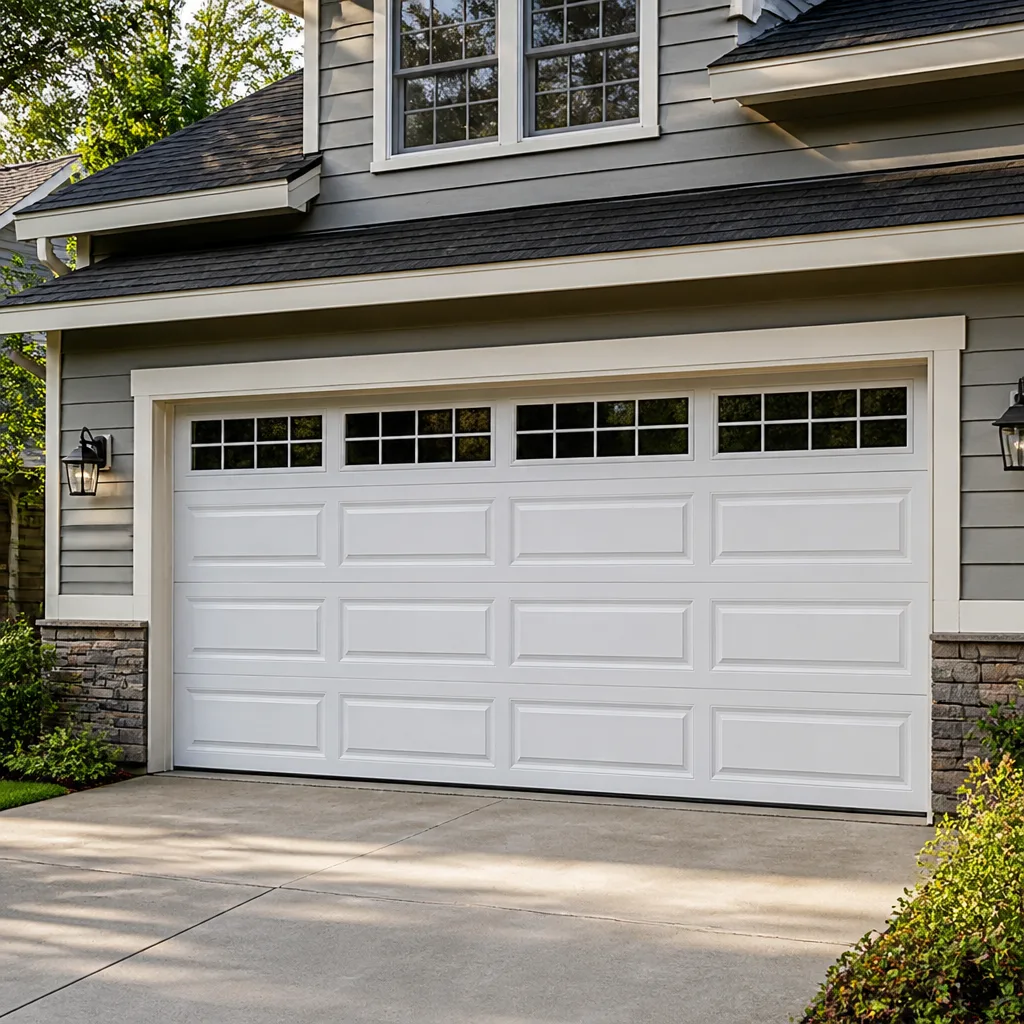 Raised-panel steel
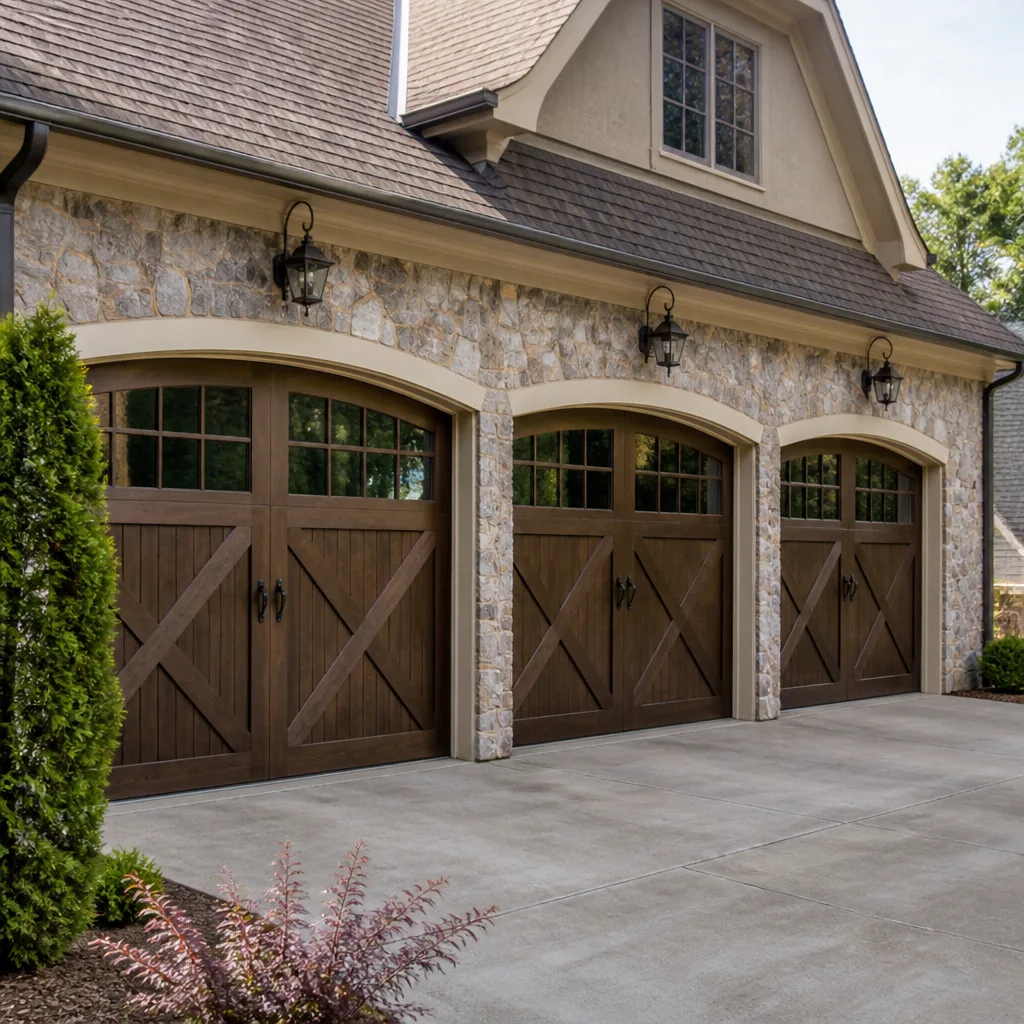 Carriage house
 Modern flush
 Full-view glass
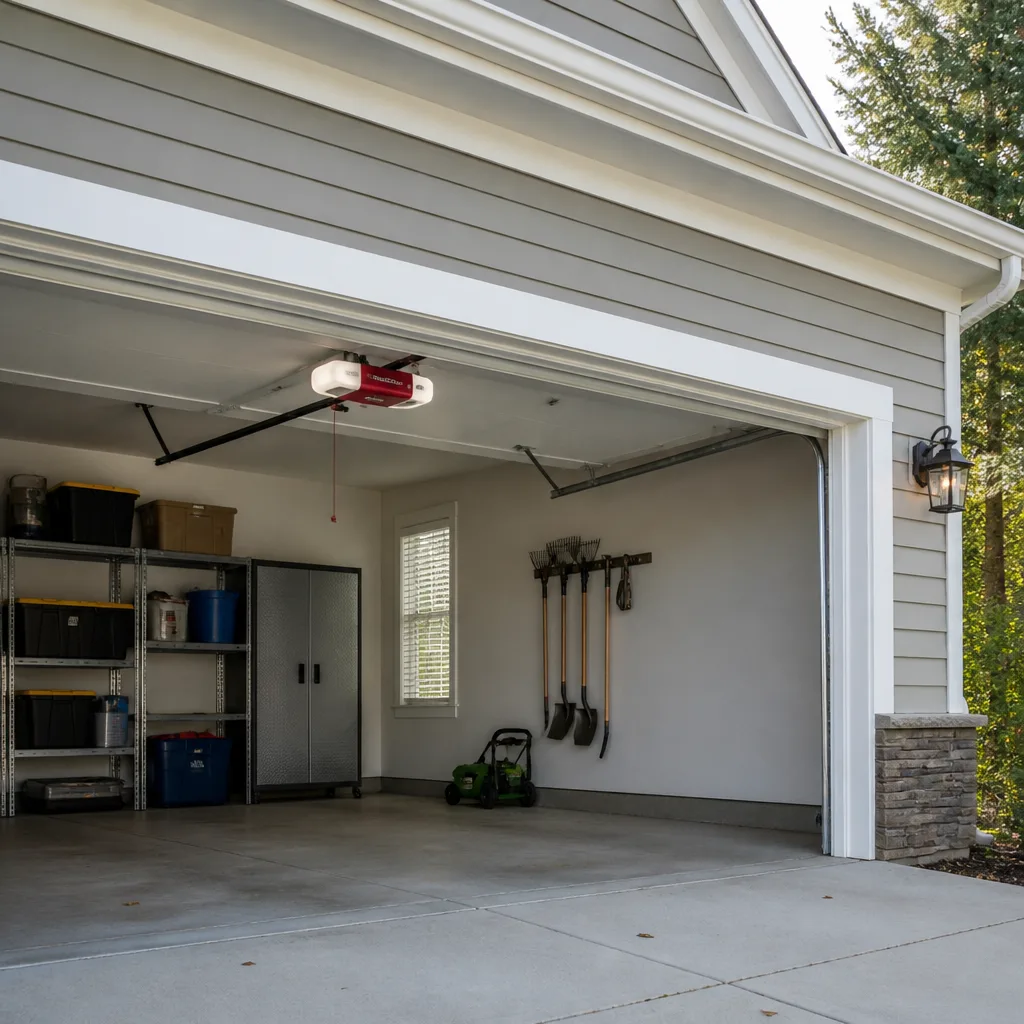 LiftMaster openers
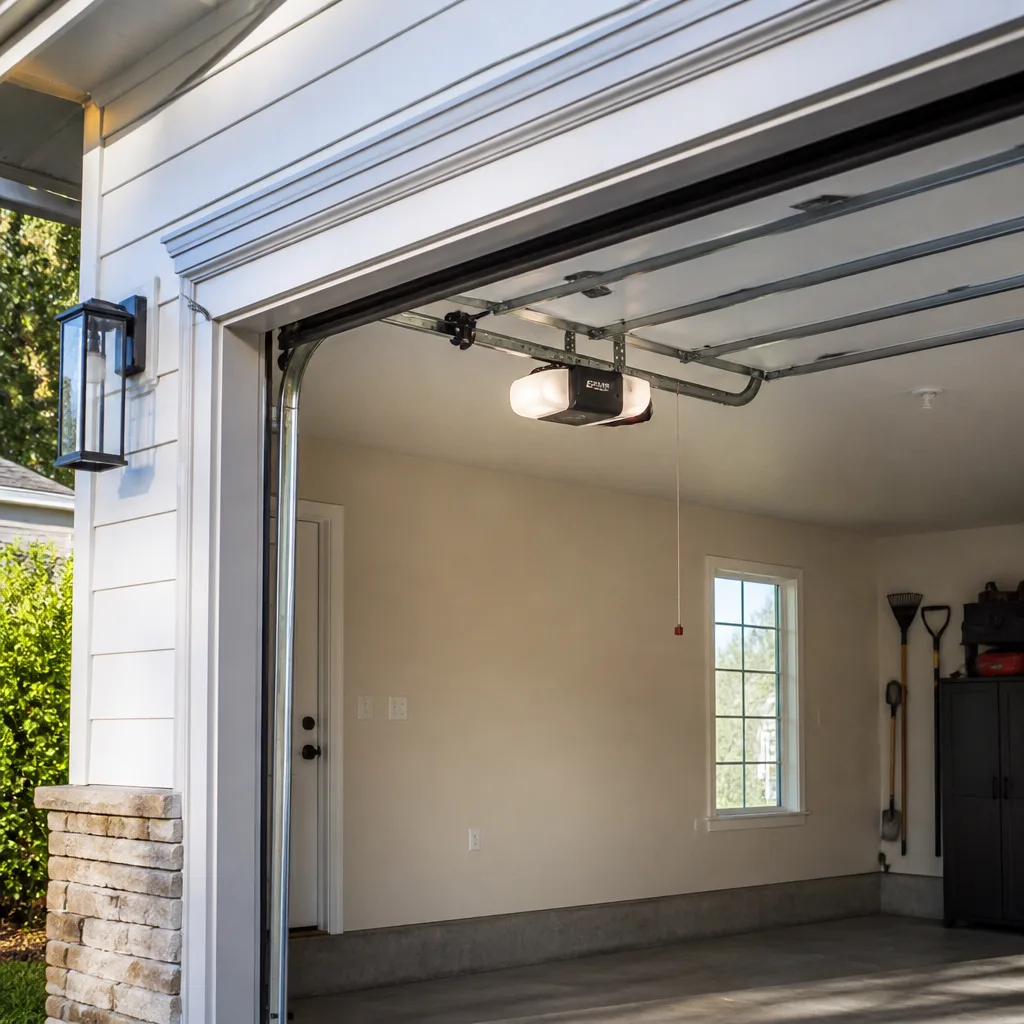 Chamberlain openers
Full 25-point door and opener safety check with every visit - springs, cables, rollers, tracks, and your LiftMaster or Chamberlain opener included
You get a price before we start. It does not change when the pro arrives.
Get your free estimateSeasonal Garage Door Care for Roslindale: Year-Round Homeowner’s Guide
February is the month we get the most calls in Roslindale. Not because doors suddenly fail, but because the damage from November’s first hard freeze finally compounds enough to show up. That lag is the whole story of garage door care in this city. A door that groaned but kept moving in December starts tripping the opener safety sensor in February, and by then the underlying issue has been quietly wearing down the motor for months. What follows is a season-by-season calendar of what actually breaks on Roslindale doors and how to get ahead of it, organized around real failure patterns rather than a checklist that sounds thorough.
Quick Answer
Garage door care in Roslindale should follow the weather, not the calendar’s ideal version of it. The critical move is a full lubrication and balance check in October, before the first hard freeze, because that’s when the work resets the wear clock on hinges, rollers, springs and the opener. After that, each season has one or two specific tasks: seal and track prep in fall, careful thawing and hardware protection in winter, spring inspection and weight adjustment in spring, and humidity control in summer.
Styles & brands we work with
- Raised-panel steel
- Carriage house
- Modern flush
- Full-view glass
- LiftMaster openers
- Chamberlain openers
Table of Contents
- Why Roslindale Doors Age Differently
- Fall: The Pre-Winter Prep That Prevents the Three Most Common Failures
- Winter: Frozen Doors, Opener Strain and the Ice Melt Problem
- Spring: Why Torsion Springs Snap When the Weather Warms
- Summer: Humidity, Swelling Wood and Seasonal Weight Changes
- The October Reset: Lubrication and Balance Check
- A Year-Round Routine You Can Actually Keep
Why Roslindale Doors Age Differently
Roslindale sits in a climate that swings hard. A stretch of February can run near 15°F and then climb past 50°F within days, and by April the same door is dealing with damp, mild air and pollen working into every seam. By summer it’s humid enough that a wood door can swell tight in its frame. Metal moves with these temperature changes, and so does the hardware bolted to it. That constant expansion and contraction is what loosens fasteners, opens hairline gaps at weather seals, and works a torsion spring back and forth thousands of times over a season without the door ever opening.
The housing stock matters too. Many Roslindale homes have attached garages, so the garage shares a wall with living space and takes the full brunt of outdoor temperature changes rather than sitting as a buffer. An older wood door, or a wood-composite door on a home near the Arnold Arboretum side of the neighborhood, holds moisture differently than a steel door, and that difference shows up in how the door balances through the year.
What this means practically is that a generic national maintenance checklist, written for a place with two seasons, misses the specific failure patterns here. Fall prep has to account for freeze-thaw cycles, not just falling leaves. Spring inspection has to happen before the first warm week, not after, because that’s when springs break. Our own service area is Roslindale garage door repair, and the patterns below are what we see across the neighborhood’s streets and housing types.
Fall: The Pre-Winter Prep That Prevents the Three Most Common Failures
Fall prep is the highest-value hour you’ll spend on your door all year. Done in October, it prevents the three failures that dominate Roslindale’s winter call volume: a bottom seal frozen to the ground, contracted metal knocking the door out of alignment, and opener strain from a door that’s suddenly much heavier than the motor was set for in July.
Here’s the sequence that covers all three.
- Condition the bottom seal. Wipe the seal clean and apply a silicone-based lubricant along its full length. This is the single step that prevents the seal from bonding to frozen concrete after a rain-then-freeze night, which is common in Roslindale once December arrives.
- Check the gap between the door and the floor. If there’s a visible gap at one end, the door isn’t closing flat to the floor. Cold air gets in, and more importantly, the opener keeps pushing against a door that won’t seal, straining the motor.
- Inspect the tracks for debris and bends. Fall’s leaves and grit work into the tracks. A piece of grit in a steel track acts like sandpaper on a roller bearing, and a bent track forces a steel door to twist as it travels. Cold metal is more brittle, so a bent track that works in October can cause a jam in January.
- Lubricate the moving parts. A silicone-based or lithium-white grease on the hinges, rollers, springs and bearings, applied in October, keeps them from seizing as the weather turns.
- Test the door’s balance by hand. With the opener disengaged, lift the door to half-height and let go. If it doesn’t stay put, the spring tension is off. A door that’s out of balance in fall needs an adjustment before the cold makes it heavier.
- Test the safety reverse. Put a 2×4 flat on the floor in the door’s path and run the door closed. It should reverse on contact. This is a safety check worth doing every fall.
- Have the springs inspected if your door is older. Torsion springs are rated in cycles, and one that’s near the end of its life may look fine in fall and snap in the first cold week.
That three-headed approach – seal condition, metal behavior, and opener capacity – is what fall prep is really about. The location of the door in your home matters too: for repeat service needs, our garage door repair team handles everything from a single cracked roller to a door that won’t close at all.
Winter: Frozen Doors, Opener Strain and the Ice Melt Problem
Winter in Roslindale produces three specific problems that no generic checklist covers. The door freezes to the ground and the opener tries to force it. The opener strains against a heavier door. And the ice melt tracked onto the garage floor from the driveway does quiet damage to steel hardware.
What to do if the door is frozen to the ground
Don’t run the opener. That’s the single most important instruction. If the door is frozen to the concrete, the opener will push or pull with force that strips the gear, burns the motor, or snaps the arm that connects the opener to the door. Do the following instead.
- Disengage the opener by pulling the manual release cord. This turns the door into a manual door, so the motor is out of the equation.
- Free the seal gently. Use a plastic scraper, never a metal shovel or a hammer, to work around the seal where it’s stuck to the floor. You can warm the seal with a hairdryer on low, moved side to side.
- Lift the door by hand. If it lifts cleanly, you’ve freed it. If it resists, don’t force it. Keep working the seal free from the floor.
- Re-engage the opener only after the door moves freely by hand, and then run a short open-close cycle to confirm the safety reverse still works.
Running the opener against a frozen door does more damage to the opener itself than to the seal, which is the part most homeowners assume takes the hit. The arm on a LiftMaster or Chamberlain opener can bend or strip, and a Genie or Craftsman motor that forces through resistance can lose its travel limits and start reversing unnecessarily. The local pro you call will tell you the same thing: never fight a frozen door with the motor.
The ice melt problem
Salt-based ice melt tracked in from the driveway goes to work on steel hinges, steel tracks and the bottom roller bearings. Over a winter it can rust a roller bearing inside a track until the roller seizes, and a seized roller forces the door to scrape its way through every open-close cycle. Use a calcium chloride or sand alternative on the apron of the garage if you can, and sweep the floor after a storm so any melt that lands inside doesn’t sit against the hardware. Keep the area around the bottom seal dry, and the seal will last through the season.
Winter is also when the opener does more work for less effect. Cold stiffens the grease in the tracks and rollers, and cold, contracted metal makes the door harder to move. A door that was well balanced in October can take real force to lift in January, and the opener absorbs the difference. If your opener has been struggling, our garage door opener repair team can check its force settings and gear condition. If the door fails entirely on a Saturday, we’re closed that day, but you can call and we’ll book you for an early-morning or Sunday visit.
Spring: Why Torsion Springs Snap When the Weather Warms
Torsion springs are among the most likely garage door components to fail in spring. The reason isn’t that the season causes failure, it’s that the season concludes it. A torsion spring holds the door’s weight in tension, and every open-close cycle adds a twist-and-release cycle to the spring steel. All winter, the spring has been doing that work in cold, stiff conditions with a heavier-feeling door. When the weather warms in Roslindale and the door weight drops back toward normal, that repeated thermal cycling accelerates fatigue at the ends of the spring, where it winds around the torsion tube. A spring that survived winter often reaches the end of its cycle rating in the first warm weeks of March or April.
Watch for these signs of a failing torsion spring:
- The door is harder to lift by hand than it used to be
- The door won’t stay at half-height when you disengage the opener and lift it
- There’s a visible gap or kink in the spring coil
- The opener labor and sounds strained, and the door feels heavy
- A loud bang from the garage, followed by a door that won’t go up at all
A snapped torsion spring is the one garage door failure you should never investigate up close. The spring carries enough stored energy to cause serious injury when it fails, and a trained technician is the only person who should replace one. Roslindale Garage Door Repair handles torsion and extension spring work that many general handymen won’t take on, because it’s the most dangerous job on the door. That’s a good reason to have the springs inspected in early spring before the first big temperature swing, even if the door still works.
The spring failure pattern changes across the neighborhood. Doors on older homes with heavier original wood panels carry more load, so the springs work harder and reach their cycle limit sooner. Doors on newer construction with lighter steel panels often push the opener to the limit before the spring does. Both are reasons to know what your door weighs and to check the balance each spring. A new door, meanwhile, arrives with fresh spring tension that’s been calculated for the specific panel weight and the local weather.
Summer: Humidity, Swelling Wood and Seasonal Weight Changes
Roslindale’s summer humidity is the hidden maintenance problem. Warm, damp air does things to a garage door that cold, dry air doesn’t. Wood and wood-composite panels absorb moisture through the edges and the seams, and they swell. A door that fits perfectly in March can bind in its frame in July, and every component behind that binding – hinges, rollers, springs, the opener – feels the extra drag.
The signs of humidity swelling are subtle. The door scrapes along one side of the track as it opens. It closes with a slight twist. It sounds softer, or squeaks, because the wood panel has pushed the rollers against the track. For a wood door, the fix is stable work: check the bottom of each panel and the edges for soft spots, repair any paint or sealant gaps, and keep the panel sealed against moisture. A wood-composite door may show less seasonal movement, but its internal structure is still absorbing moisture at the edges.
Summer is also when you adjust spring tension. The door’s weight has changed with the weather, and if the spring was tensioned for a cold-season door, it’s now slightly over- or under-tensioned. The balance check tells you which way to go. Test it by disengaging the opener and lifting the door by hand to half-height; a door that floats there is correctly balanced. If it sinks, the springs are under-tensioned for that door. If it rises, they’re over-tensioned.
Adjusting torsion spring tension is a job for a professional. The spring holds the door’s full weight in stored energy, and an adjustment done wrong can cause injury or a door that drops without warning. The good news is that a balance check and an adjustment done after a humid summer, before the cold returns, is one of the cheapest ways to extend the life of both the spring and the opener. It’s also a good time to consider whether the door itself is nearing the end of its service life. Our garage door installation team can measure a replacement and give you a written price when a door has reached that point.
The October Reset: Lubrication and Balance Check
One task resets the clock on most garage door wear, and it’s best done in October rather than January. The task is a full lubrication and balance check, done before the first hard freeze. Why October makes it twice as effective: by greasing every moving part while the weather is still mild, you get the lubricant into the joints and bearings before cold stiffens the grease and makes it fail to penetrate. A door greased in January has its cold-stiffened grease already working inside, so the new grease coats the outside rather than reaching the parts that need it. The balance check done in October catches problems while they’re still cheap to fix, and the door carries the benefit through the whole winter rather than starting the season in a strained condition.
The full October reset has six steps:
- Lubricate the hinges, rollers, springs and torsion bearings with a silicone-based or white-lithium grease. Use a minimal amount, because excess grease collects grit.
- Wipe the tracks with a dry or lightly damp cloth, then dry them. Never put grease in the tracks; the rollers should roll, not slide.
- Test the balance by disengaging the opener and lifting the door to half-height, then releasing it. It should stay put.
- Check the force settings on the opener. This is a safety setting, and the door should reverse on contact with a 2×4 on the floor.
- Inspect the bottom seal for cracks, and apply a silicone lubricant to it if the door sits on a concrete floor.
- Look over the fasteners and tighten any loose hinge screws or track bolts, since expansion over summer can work them loose.
Brand-specific knowledge matters here. A Craftsman or Raynor opener has its own force-adjustment procedure, and guesswork on a safety setting is a bad idea. Roslindale Garage Door Repair is factory-familiar with LiftMaster, Chamberlain, Genie, Clopay, Amarr, Wayne Dalton, Craftsman and Raynor equipment, so an October inspection doesn’t involve trial-and-error. And if the balance test calls for a spring adjustment, that’s the one part of the reset to leave to a technician.
A Year-Round Routine You Can Actually Keep
The annual calendar doesn’t need to be elaborate to work. It needs to put the two highest-value tasks, fall prep and the October reset, where they’ll do the most good, and it needs to catch the seasonal problems before they compound. Here’s the routine that covers a Roslindale door across all four seasons.
- October: Full lubrication, balance check, safety reverse test, bottom-seal lubrication. This is the reset.
- November: Confirm the opener force settings for cold-weather door weight, and check for any loose hardware before the first freeze.
- Monthly through winter: Sweep ice melt off the garage floor, test the door for freeze-sticking before you run the opener, and listen for opener strain.
- March or April: Inspect the torsion springs for wear and have them checked before the first big warm swing.
- June or July: Check for humidity swelling on wood and wood-composite doors, and test the door’s balance once the door has settled into the humid season.
- Any time the door feels different: A door that suddenly feels heavy, or that won’t stay at half-height, is a balance problem that needs a professional.
The point of a routine is not the list. It’s the timing. A door that gets its high-value maintenance in the fall and a spring check in early spring will outlast a door that gets a once-a-year glance in July. If you’d rather not keep the calendar yourself, having a specialist take a look in the fall is the move that pays off. The same routine that keeps a door working in Roslindale also keeps the parts supply predictable: our team carries the right components for the major brands, so a repair doesn’t sit waiting on a part that has to be sourced elsewhere.
Common Mistakes to Avoid
- Running the opener on a frozen door. The motor fights concrete, and the opener’s arm or gear can bend or strip. Free the seal by hand first, with the opener disengaged.
- Greasing the tracks. Most people think more grease is better. In the tracks, grease collects grit and makes the rollers slide instead of roll, which wears the door faster. Clean and dry them instead.
- Using salt-based ice melt on the garage apron. The melt gets tracked inside and rusts hinges, tracks and roller bearings. Sweep after every storm and use a sand or calcium-based option.
- Ignoring a door that stays at half-height. A door that won’t float when you lift it is out of balance, and the opener is working harder than it should every time it opens. That’s a balance call, not a “keep using it” situation.
- Adjusting torsion springs yourself. This is the one task no homeowner should attempt. Torsion springs store enough force to cause serious injury when they fail, and a technician can reset the tension safely in a single visit.
- Skipping fall prep until January. By the time the cold is here, the seal has already frozen, the hardware has already seized, and the opener has already been straining. October is the deadline.
- Waiting until a door fails to order parts. A worn roller or a slight hinge failure is easy to fix. The same part seized into a track and forcing the door through a jam becomes a bigger repair. Our parts supply means a small fix doesn’t sit waiting on a shipment.
See the difference
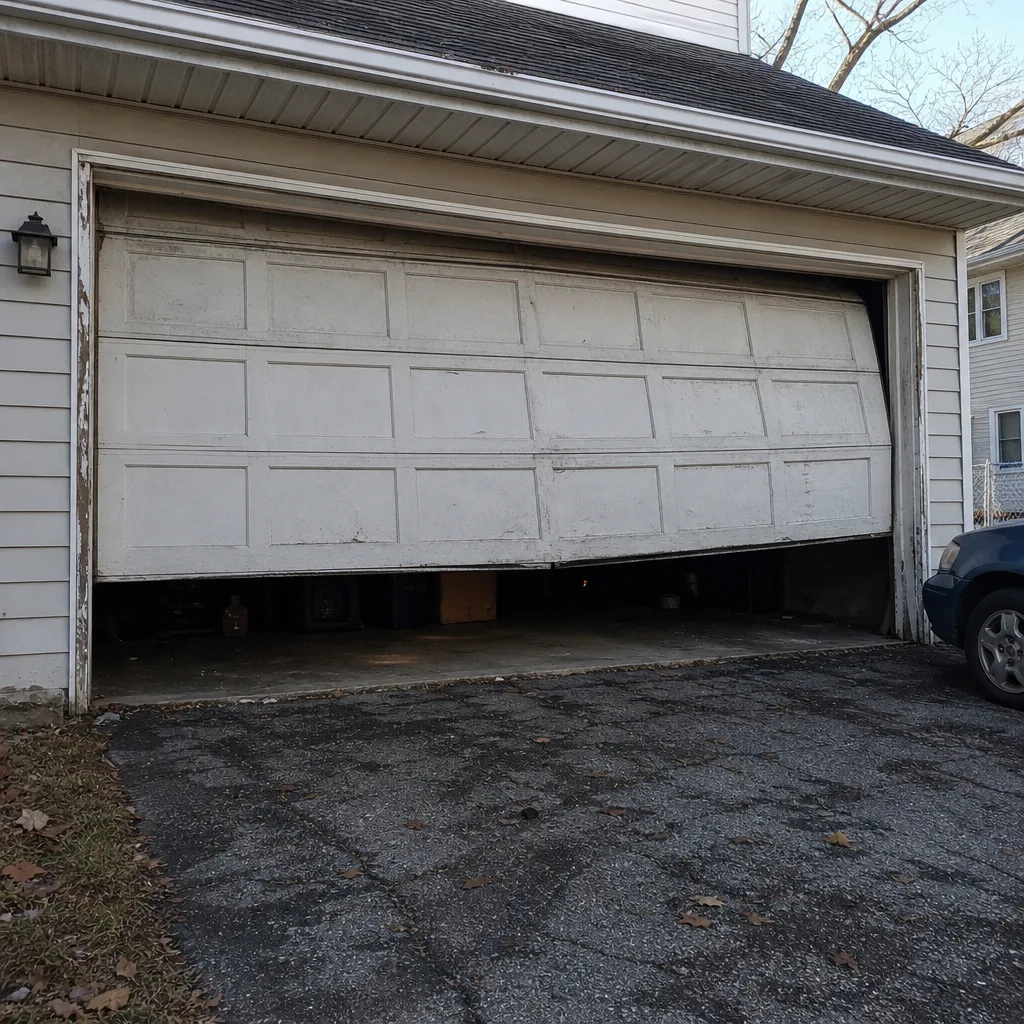 Before
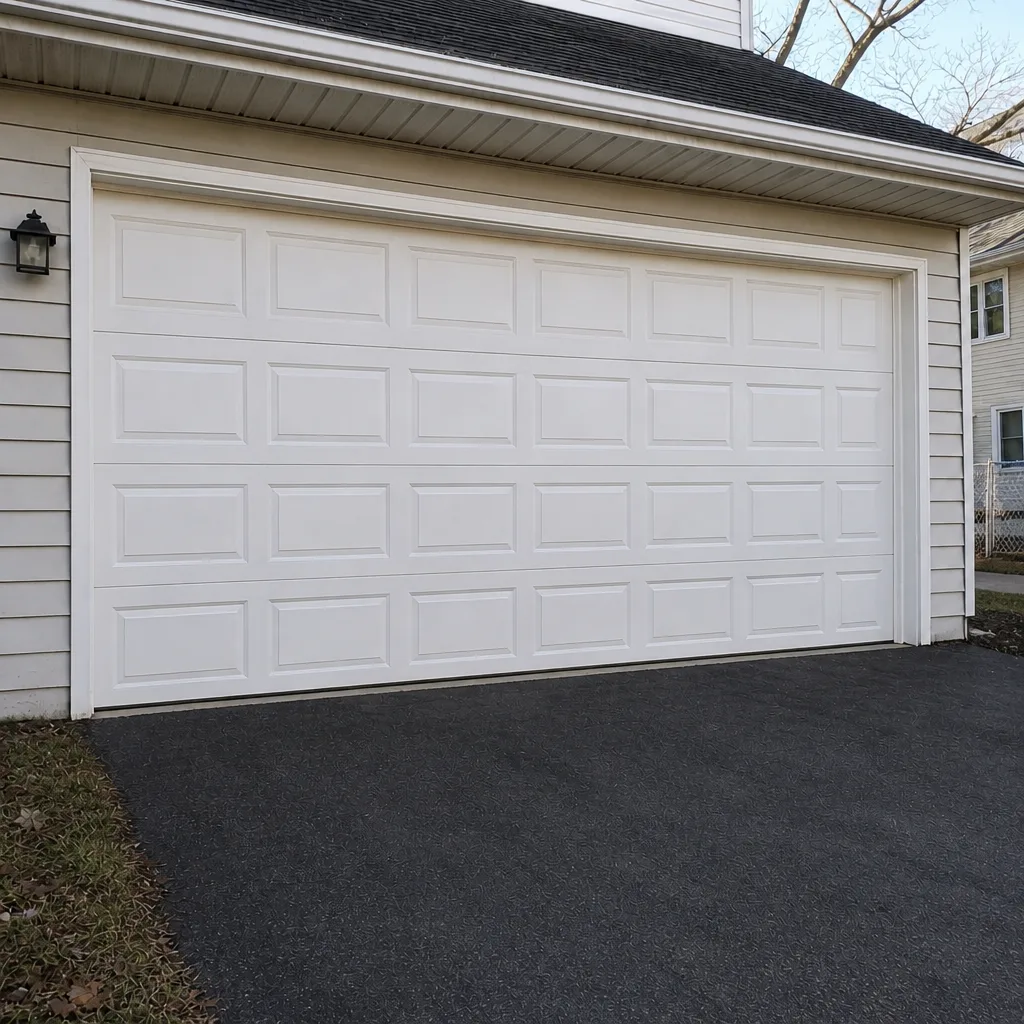 After
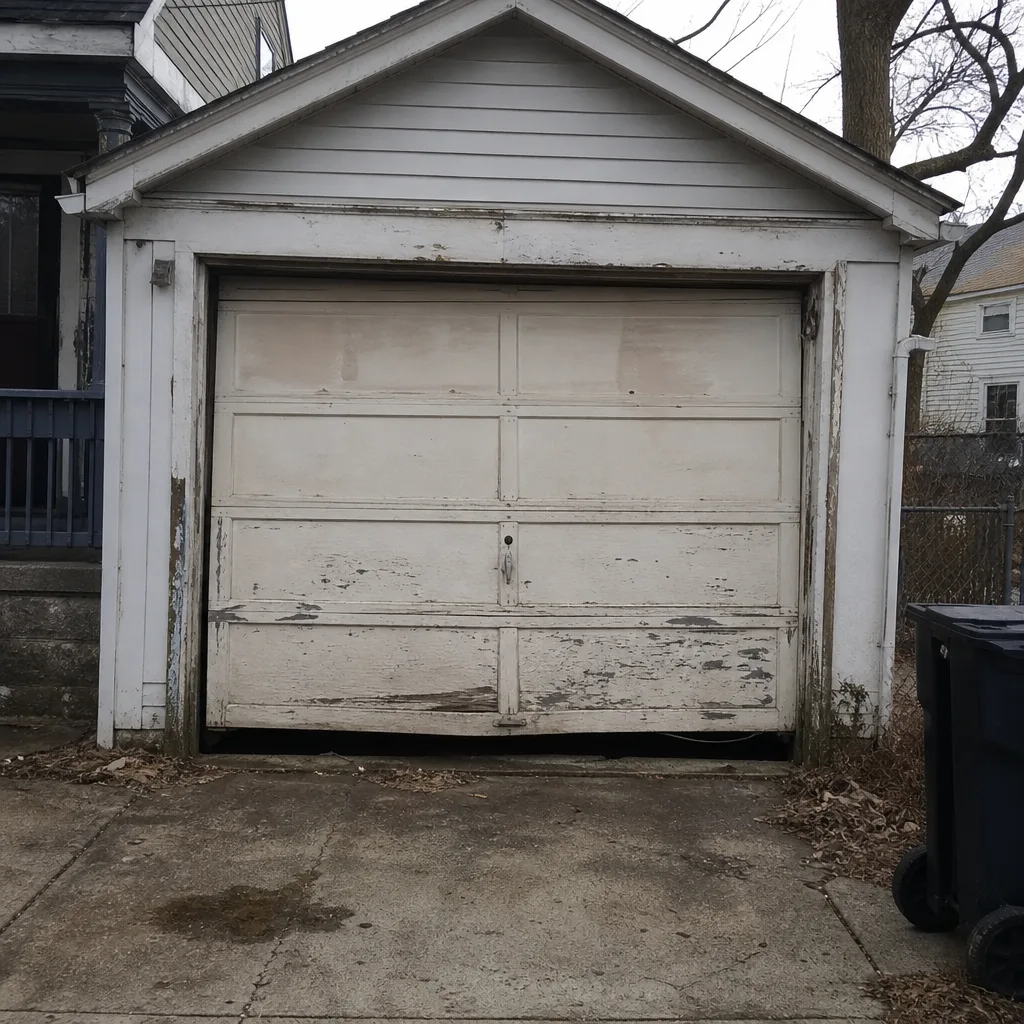 Before
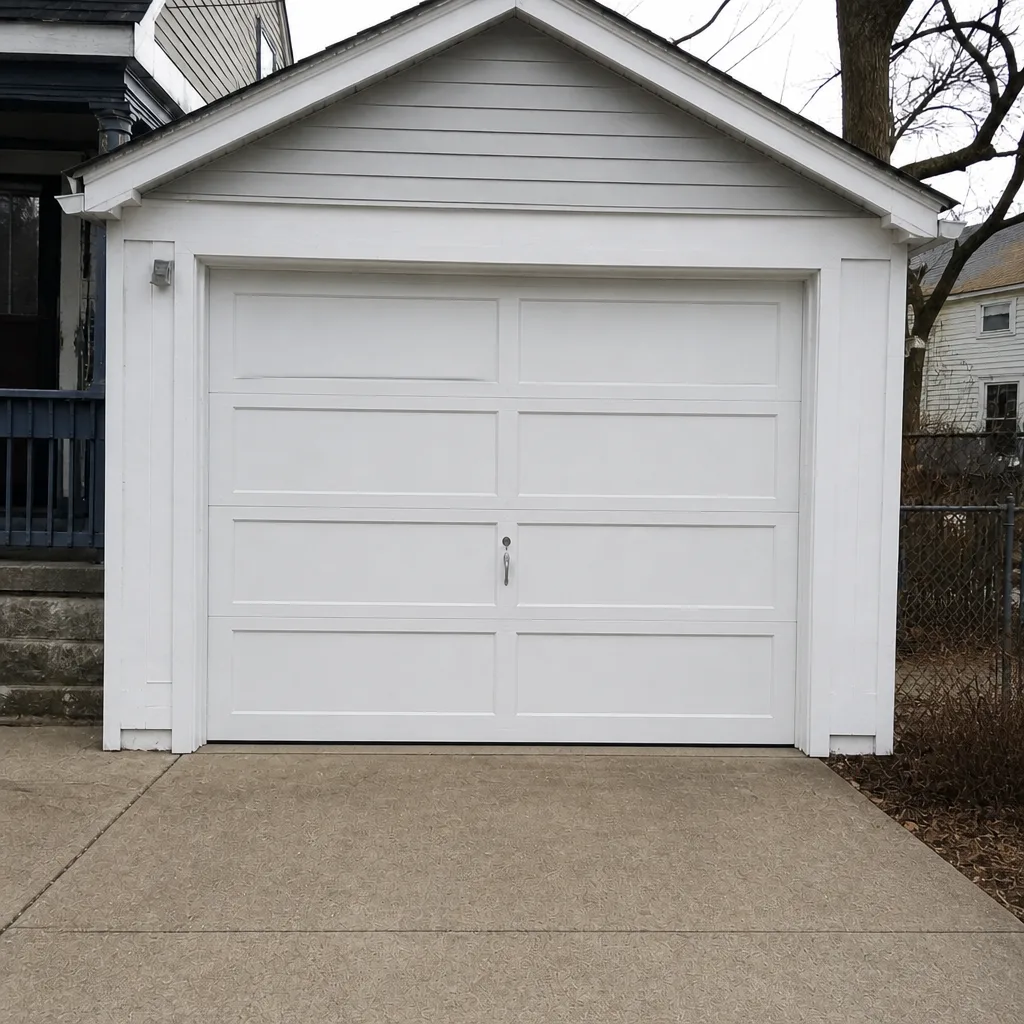 After
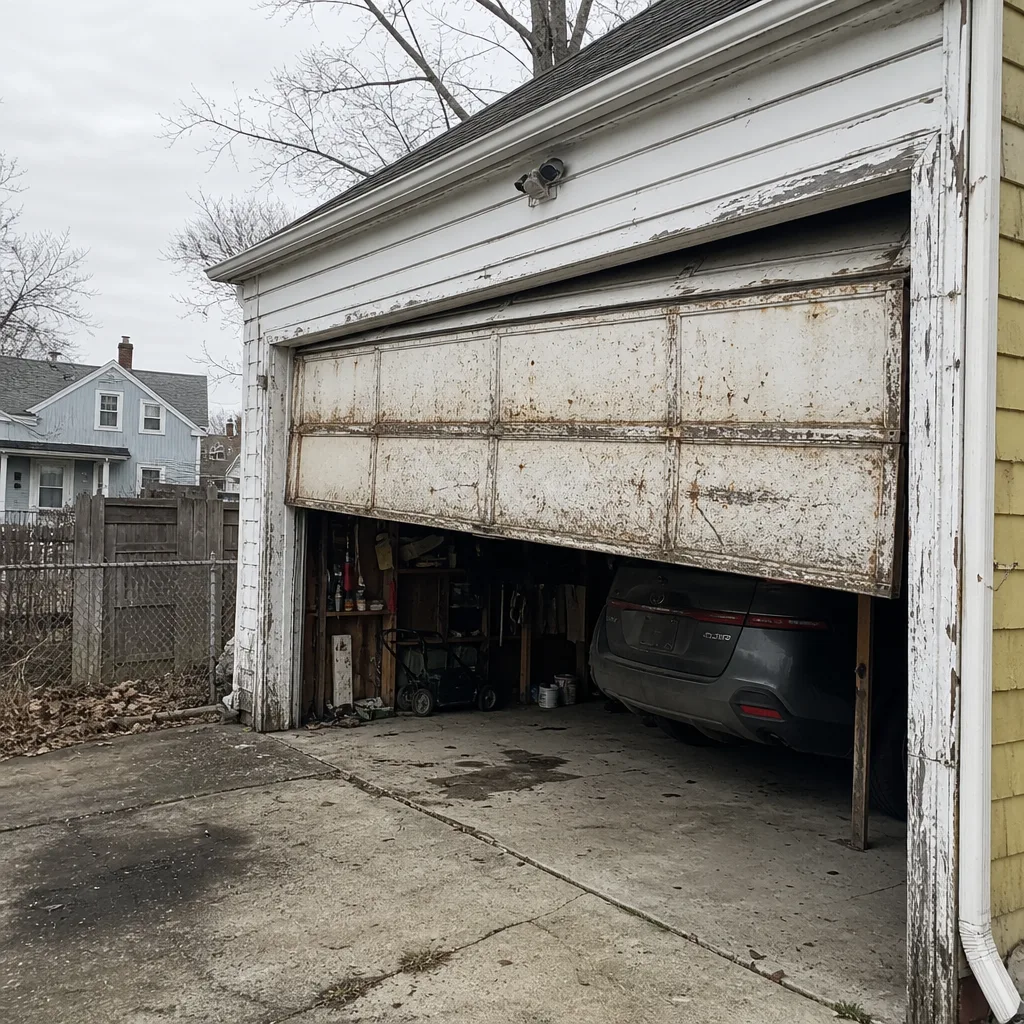 Before
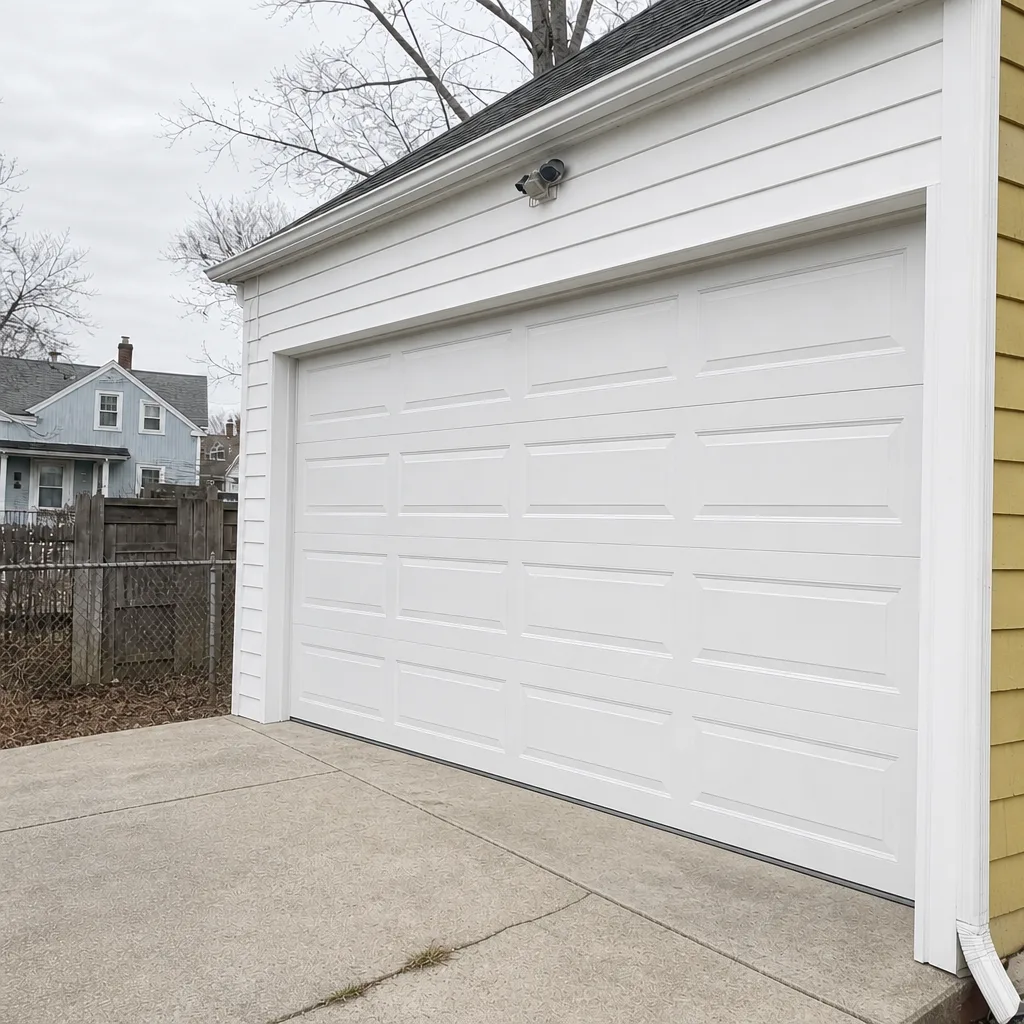 After
When to Call a Professional
Some seasonal tasks are fine on your own: lubricating moving parts, sweeping the garage floor, freeing a frozen seal by hand, and testing the safety reverse. Others should bring a specialist out. Call Roslindale Garage Door Repair when a torsion spring is visibly damaged, when the door won’t stay at half-height after a balance check, when the opener won’t reverse on contact with an obstruction, when the door is off its track or binding along one side, when a frozen seal won’t free by hand, or when the door weight has changed enough that spring tension needs adjustment. The local pro should hold state-required licensing and insurance, and should give you a written price before any work starts. Roslindale Garage Door Repair offers free estimates in Roslindale and helps with garage door repair across the city – call (844) 944-1933 for an exact quote.
Frequently Asked Questions
Once a year is enough, and October is the right time to do it. Lubricating the hinges, rollers, springs and bearings before the first hard freeze gets the grease into the joints while the weather is mild, so it carries through the winter and into spring before the door needs it again. If you use the door heavily, a second light lubrication in spring is fine.
The bottom seal bonds to the frozen concrete when a rainy day is followed by a hard freeze, which is common in Roslindale. The fix is to free the seal by hand with the opener disengaged, warming the edge gently and working around it, then re-engaging the opener only after the door moves freely. Lubricating the seal in October prevents the sticking in the first place.
No. A torsion spring stores the door’s full weight in tension, and a failed or improperly adjusted spring can cause serious injury. Spring replacement and adjustment are jobs for a trained technician, and general handymen often won’t take them on. Have the springs inspected in spring and leave replacement to a specialist.
Spring repair is quoted per spring once the technician sees the door, and a matched pair is usually the right call when both springs have the same cycle history. You’ll get a written estimate before any work begins, and that written price is the price you pay. Call (844) 944-1933 for an exact quote, because estimates are free.
Wood and wood-composite doors absorb humidity in summer and swell, which puts extra load on the hardware and can cause binding in the frame. Steel doors don’t swell, but they move with temperature and are more prone to track bends in cold weather. Both need the October reset and a spring balance check, but the summer check matters more for wood doors.
If the door is binding consistently, has developed soft spots along the panel edges, or needs repeated repairs across several seasons, a replacement is worth pricing. The right time to consider it is after a summer of humidity or a spring of repeated balance adjustments. Roslindale Garage Door Repair measures and quotes a replacement with a written price before anything is ordered.
The Bottom Line
Seasonal garage door care in Roslindale works when it follows the weather and not the calendar. The high-value moves are fall prep that prevents frozen seals, misaligned metal and opener strain; careful thawing in winter; spring inspection before the temperature swing that breaks springs; and humidity checks in summer. But the single task that resets the clock on most wear is the October lubrication and balance check, done early enough that it protects the hardware through the cold season. Whether you do the simple parts yourself or have a specialist take over, the point is to get ahead of the problem. Call (844) 944-1933 for a free estimate.
Written by the team at Roslindale Garage Door Repair.