Last updated November 21, 2026
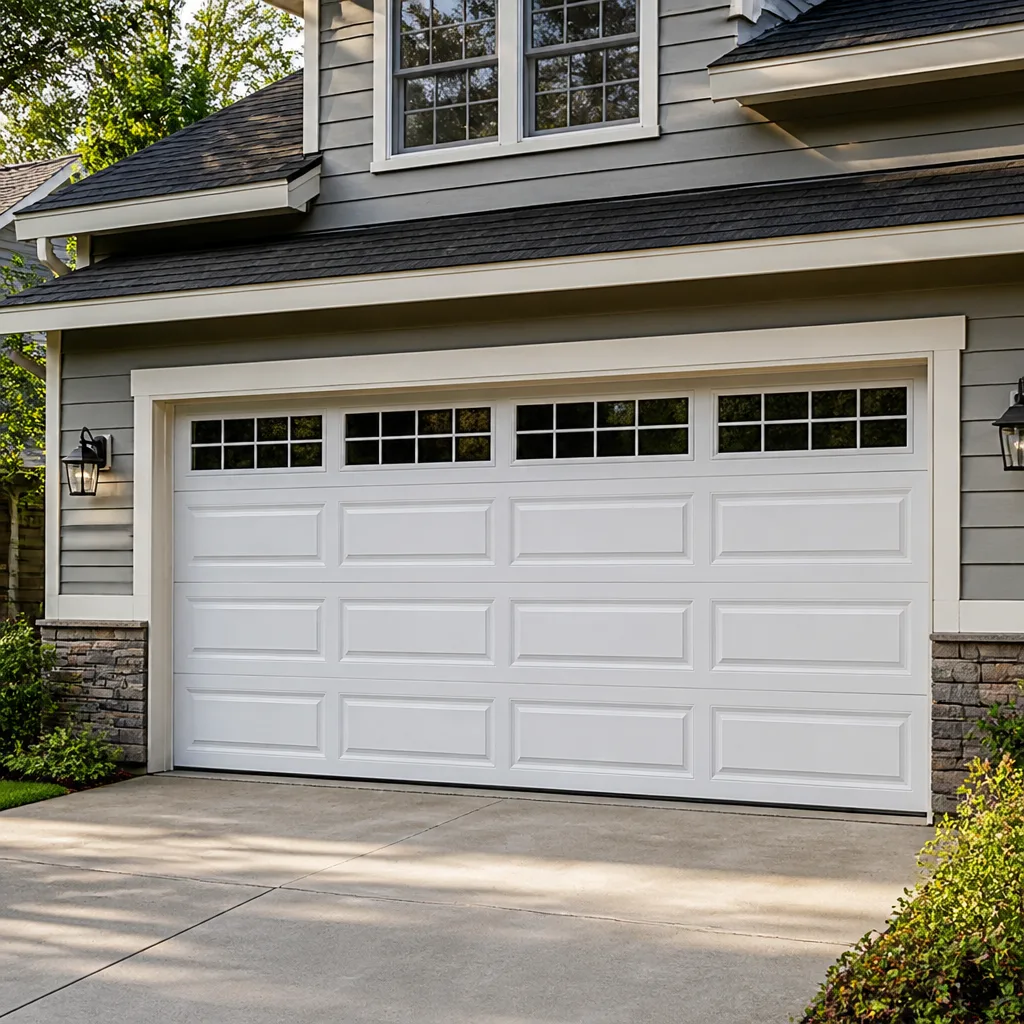 Raised-panel steel
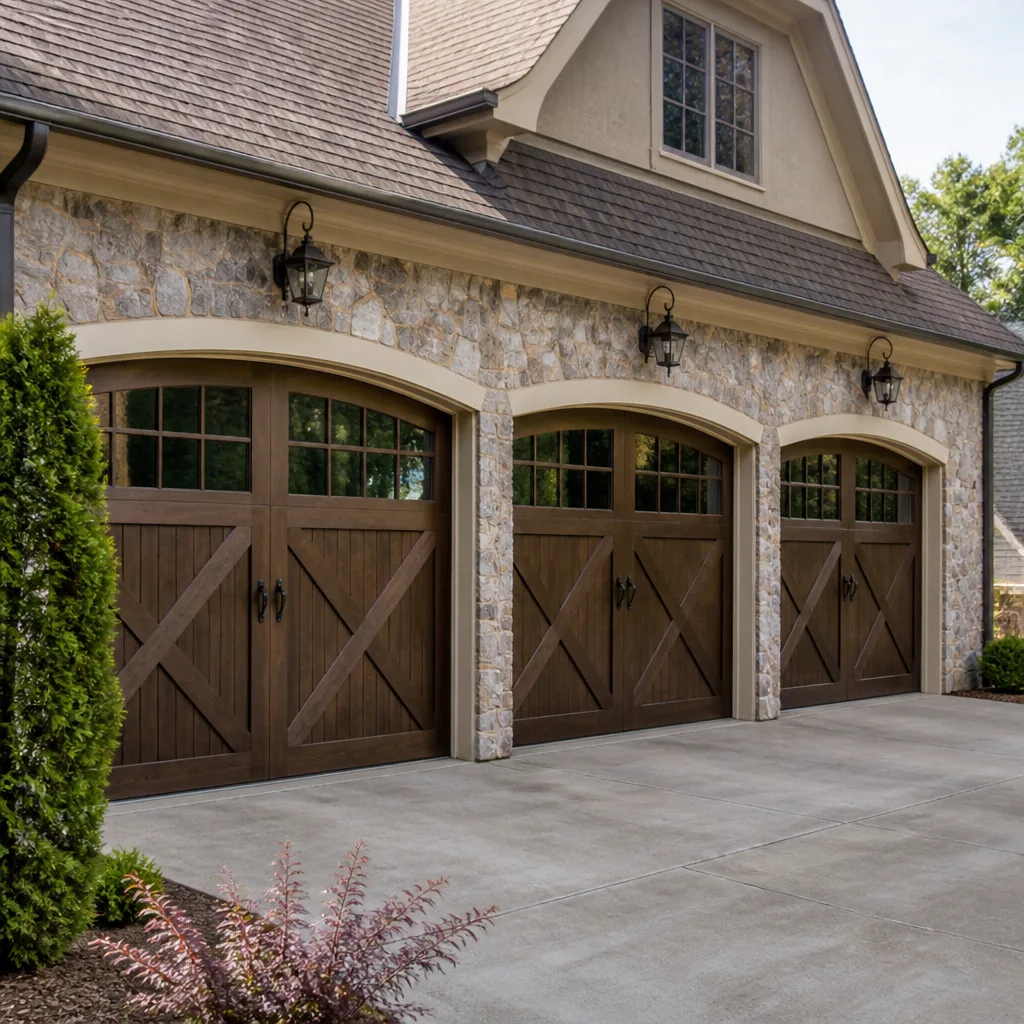 Carriage house
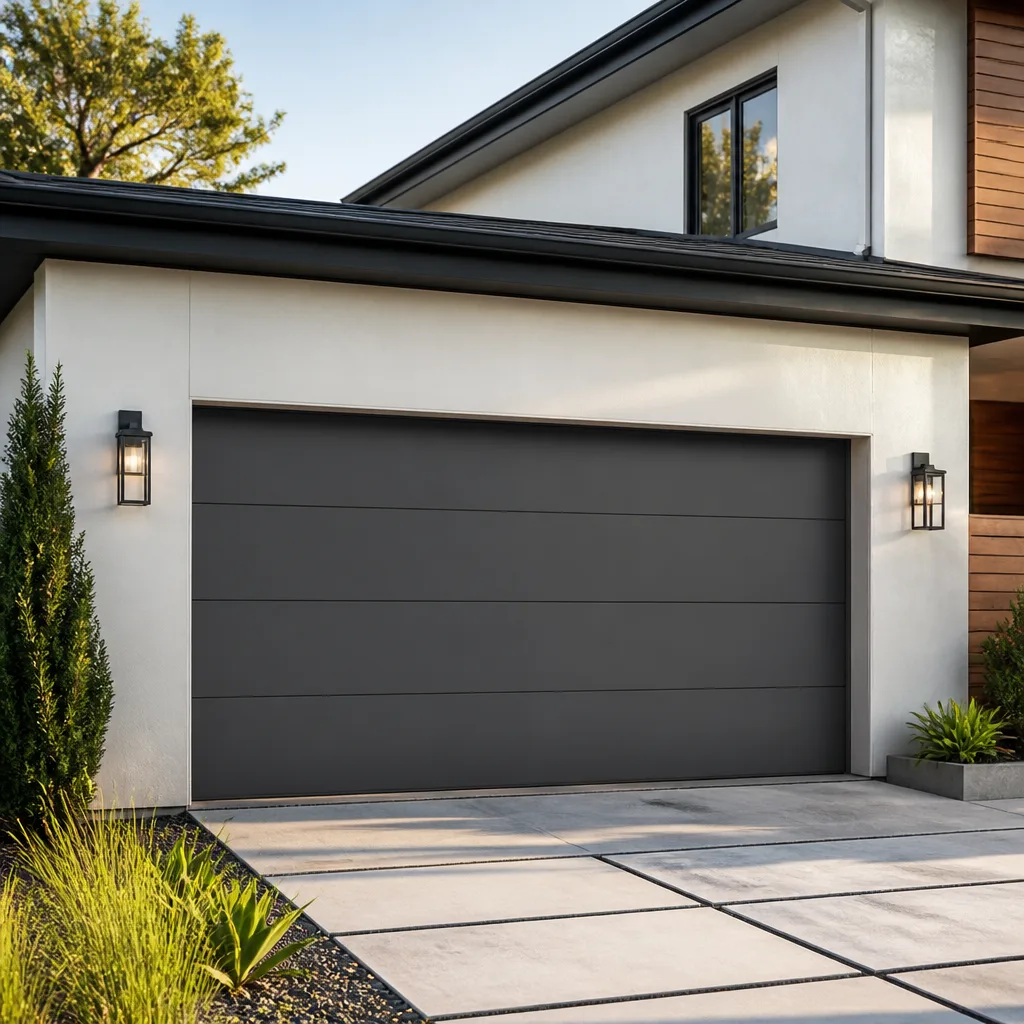 Modern flush
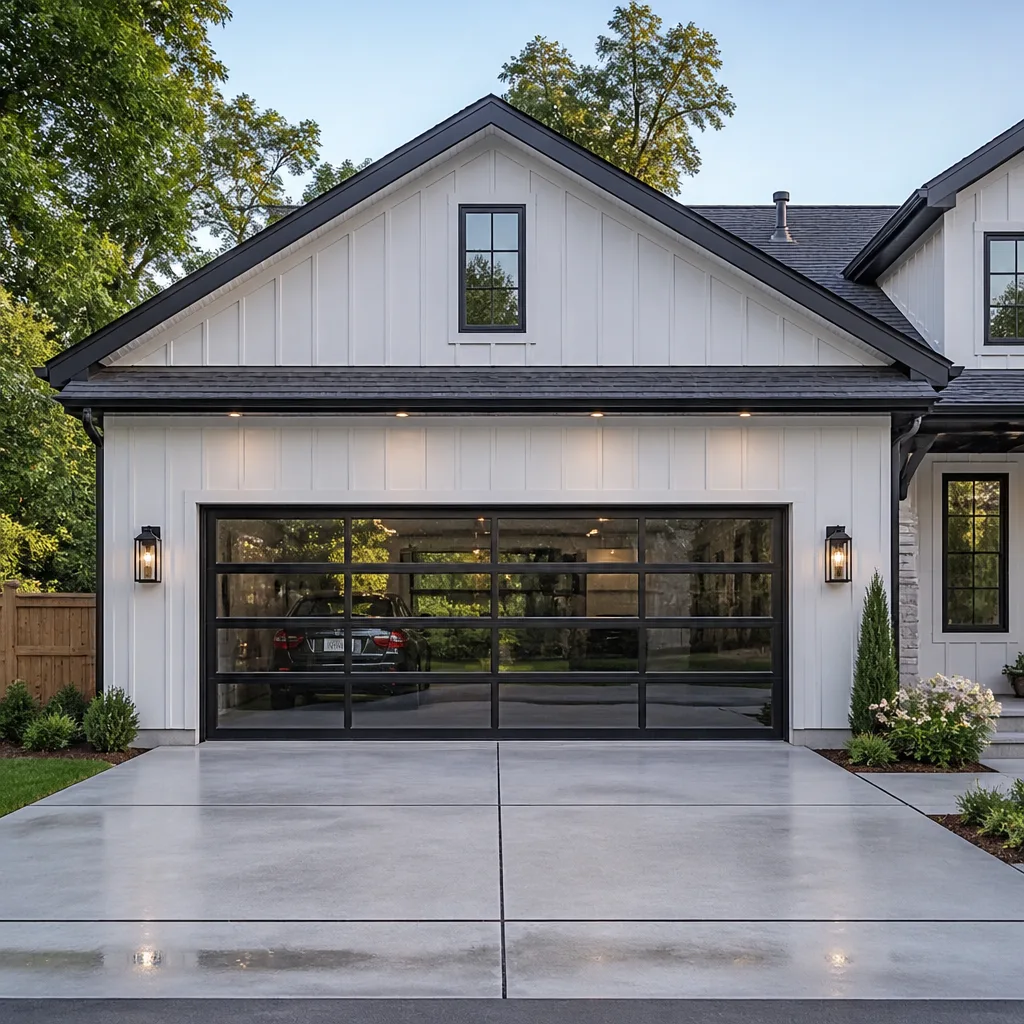 Full-view glass
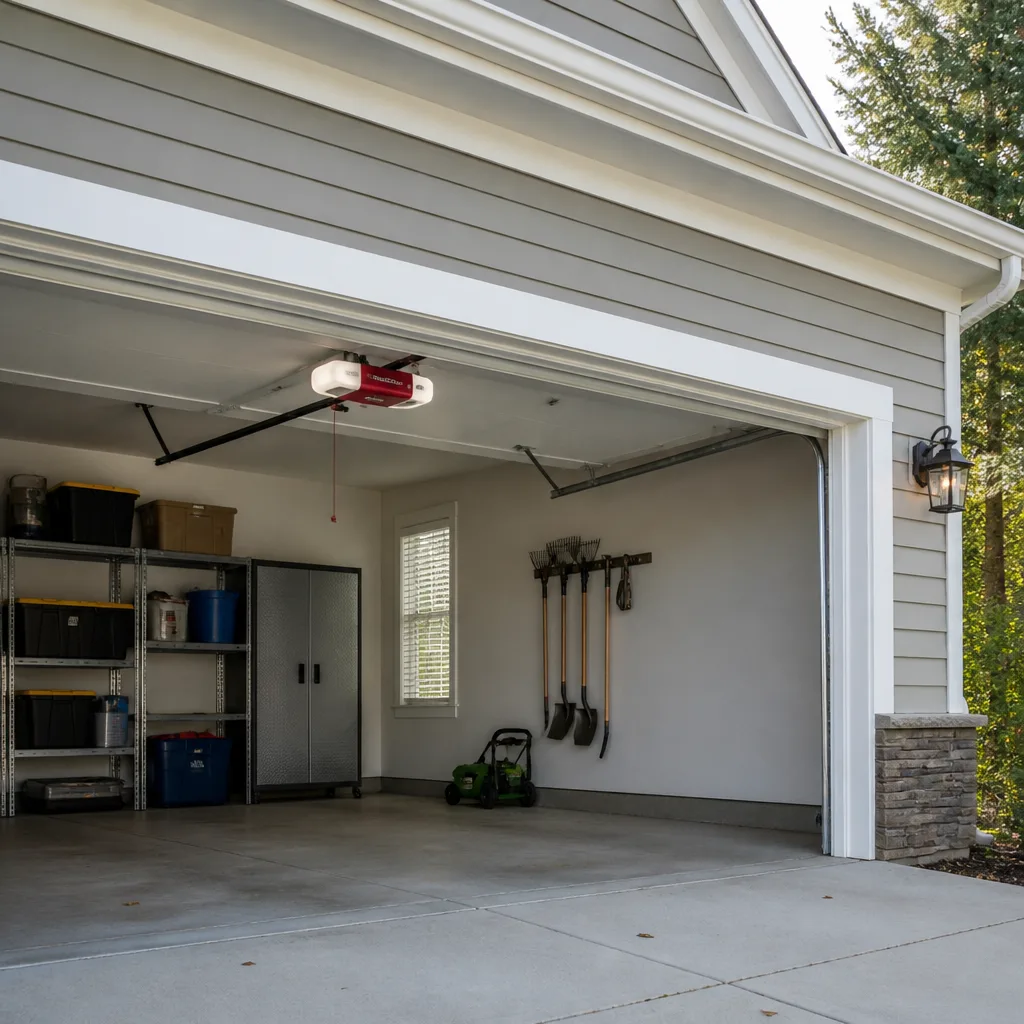 LiftMaster openers
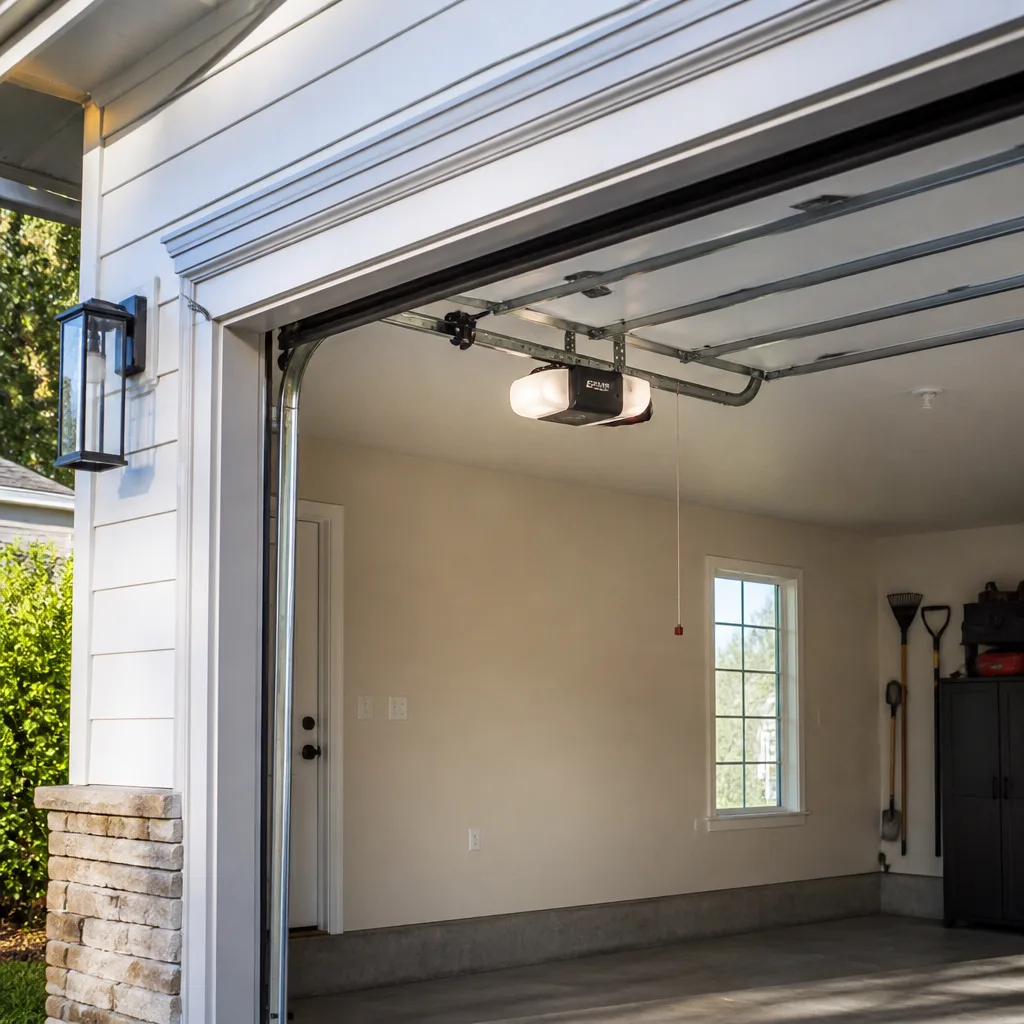 Chamberlain openers
Full 25-point door and opener safety check with every visit - springs, cables, rollers, tracks, and your LiftMaster or Chamberlain opener included
You get a price before we start. It does not change when the pro arrives.
Get your free estimateGarage Door Repair Troubleshooting in Roslindale: Common Problems and How to Fix Them
Your garage door weighs 150 to 300 lbs and moves twice a day, every day. When something goes wrong, the symptom you see is almost never the part that actually failed. A door that won’t close usually isn’t a door problem at all; it’s a sensor, a limit switch, or a spring telling you something is off. That gap between what you observe and what’s broken is where most homeowners waste time, money, and patience. In this guide we map every common garage door symptom in Roslindale homes to its real cause, show you which fixes are safe to try yourself, and tell you exactly when to stop and call a specialist before a small problem turns into a dangerous one.
Quick Answer
Most garage door problems in Roslindale fall into six mechanical categories: springs, cables, rollers and tracks, opener and sensor electronics, weatherstripping and seals, and balance or alignment. Identify which category your symptom belongs to and you’ll know within a minute or two whether it’s a safe DIY fix or a job for a trained specialist. Anything involving tension, springs, or cables should never be handled by a homeowner.
Styles & brands we work with
- Raised-panel steel
- Carriage house
- Modern flush
- Full-view glass
- LiftMaster openers
- Chamberlain openers
Table of Contents
- Symptom-to-Cause Mapping: What Your Door Is Telling You
- Bang vs. Grind: Reading the Sound of a Failing Door
- Why Springs and Cables Are Not a DIY Job
- Safe Troubleshooting Steps You Can Do Yourself
- How Roslindale’s Freeze-Thaw Cycles Affect Doors and Seals
- Opener, Sensor, and Limit Switch Problems
- The Go/No-Go Decision Tree
- Common Mistakes to Avoid
Symptom-to-Cause Mapping: What Your Door Is Telling You
The single most useful troubleshooting skill is matching the exact behavior of your door to the mechanism that drives it. Two symptoms that look similar on the surface often have nothing to do with each other. Here’s how we break it down when a homeowner calls us in Roslindale describing what their door is doing.
A door that reverses before it reaches the floor is almost always a sensor or obstruction issue. Safety sensors sit near the floor on both sides of the opening, and if the beam is broken or misaligned, the opener commands the door up again for safety. That’s a different repair than a door that stops mid-travel, which points to a limit switch setting, a binding track, or a failing spring that can’t lift the full weight.
A door that won’t move at all, even with the opener running and the motor humming, usually means a broken spring or a snapped cable that has taken the tension off the system. If the door opens a few inches and then stops hard, the springs are the first suspect.
- Reverses before closing: obstruction, misaligned safety sensor, or dirty sensor lens.
- Stops mid-travel: limit switch out of adjustment, binding roller, or weakening spring.
- Won’t budge with opener engaged: broken spring or cable, or opener gear/coupling failure.
- Door sags on one side: broken extension spring or stretched cable on that side.
- Door wobbles or shudders moving up: worn rollers, loose hinges, or a bent track.
- Door opens partway then reverses: travel limit or force sensitivity set wrong on the opener.
Being able to tell those apart before a technician arrives saves time and helps you describe your problem accurately. When you do need it looked at, our garage door repair handles the full diagnosis in one visit, and technicians trained on brands like LiftMaster and Chamberlain read these symptom patterns quickly.
Bang vs. Grind: Reading the Sound of a Failing Door
The sound your door makes is one of the clearest diagnostic clues you’ll get. A loud, sharp bang followed by silence and a door that won’t open usually means a broken torsion spring. That bang is the sound of coiled steel releasing its stored energy at once. It’s the most dangerous failure in the trade and demands a specialist, not a fix-it attempt.
A grinding or scraping sound is a completely different animal. That’s friction, usually worn steel rollers, a roller that’s jumped out of its track, or a track that’s been bent out of alignment. Where the bang signals a tension injury risk, the grind signals wear that’s caught early and is far easier to fix.
Why the distinction matters: homeowners who confuse the two often call for the wrong fix or try to lubricate a broken spring, thinking it’s just “stuck.” Conversely, someone with a grinding roller can sometimes replace it themselves for a few dollars if they buy it directly rather than calling for a service visit. In our experience, spring failure is far and away the most common urgent call we get from Roslindale, while roller and track wear tends to build slowly on older doors that have been in place through many winters.
- Sharp bang, then no motion: broken torsion spring, call a specialist.
- Loud bang, door hangs cockeyed: broken extension spring or snapped cable.
- Grinding scrape while moving: worn rollers or misaligned track.
- Rattling: loose hardware, hinges, or opener chain too slack.
- Clicking, then nothing: opener logic board, gear, or capacitor.
- Squealing: dry rollers or springs that need lubrication on the track side.
Match the sound to the list above and you’ll save yourself from the most expensive mistake in this guide: paying for a spring repair when your rollers just needed replacing, or vice versa. If the sound is the bang, call us at (844) 944-1933 and we can talk you through what to do next before anyone touches the door.
Why Springs and Cables Are Not a DIY Job
This is where we draw a hard line. Springs and cables are under extreme tension and store enough stored energy to cause serious injury in a fraction of a second. A torsion spring is coiled steel wound to hold 150 lbs or more of lift force; when it breaks under load or when someone attempts to adjust it without the correct tools and technique, the result can be catastrophic. We’ve heard too many stories of homeowners badly hurt trying this on their own.
If your door has a broken spring, do not attempt to lift the door by hand and do not try to unwind or adjust the spring yourself. Same for cables: a snapped cable can whip back with enough force to cause serious injury. Both are jobs for trained, properly equipped professionals. This is exactly why we focus so heavily on spring work: it’s one of the most hazardous parts of the trade and often the reason general handymen won’t touch a garage door.
What a technician does, to be clear about the process, is: use winding bars and proper lockdown procedures to safely relieve the tension on the torsion system, replace the broken spring or the matched pair, re-tension the system correctly, and then balance-test the door to confirm it’s lifting with the correct effort. On extension-spring doors the process is different (springs stretch along the track instead of winding), but the safety rule is identical. Our technicians have up to 14 years of experience on both spring types and handle LiftMaster and Genie opener systems on the same trip, so you don’t get bounced between contractors.
Replacing a pair is standard practice even if only one spring has visibly failed, because springs installed and worked together wear out together. A newly replaced spring paired with a tired one tends to fail again shortly after, which is a common cause of repeat service calls. One visit, one properly balanced system, no early return.
Safe Troubleshooting Steps You Can Do Yourself
Not everything requires a specialist. There’s a real set of checks and maintenance you can safely do yourself, and doing them regularly will catch small problems before they become expensive spring or opener failures. Here’s the routine we recommend to Roslindale homeowners.
- Test the safety sensors. With the door open, pass a hand or object between the two sensor eyes near the floor. The door should reverse immediately. If it doesn’t, the sensor is dirty, misaligned, or the wire is loose. Wipe the lenses with a soft cloth and check that the indicator lights on each sensor are lit.
- Lubricate the moving parts (except springs). A garage-door-specific lubricant on the hinges, rollers, and track is safe and extends the life of the hardware. Never spray lubricant onto a torsion spring you can’t fully inspect, and never use WD-40 as a long-term lubricant; it attracts dust.
- Check the balance. Disconnect the opener (pull the red release handle), lift the door to about halfway and let go. A properly balanced door stays put or drifts only slightly. If it slams down or won’t stay open, the springs or cables are failing and it’s time to call a specialist.
- Inspect the weatherstripping and bottom seal. Look for cracks, gaps, or a floor gap under the door. In Roslindale these wear out quickly from the freeze-thaw cycle. A cracked seal lets in cold air, water, and pests.
- Look and listen for track damage. Run your hand (carefully, no fingers between rollers) along the track and look for dents, bends, or a roller that’s jumped out. A slightly bent track can often be straightened, but a badly bent one needs a replacement section.
- Check the opener force and travel limits. Most openers have a simple adjustment for how far the door travels and how much force it applies before reversing. If the door doesn’t fully reach the floor, or reverses before closing, this is usually the culprit. Consult your opener manual for the adjustment procedure.
None of this involves touching the spring or cable tension. Follow those six steps a few times a year and you’ll catch most common problems at a cheap stage. If any of the steps reveals a failed balance test, a broken spring, or a snapped cable, stop there and call us for a free estimate.
How Roslindale’s Freeze-Thaw Cycles Affect Doors and Seals
Roslindale sits in New England’s freeze-thaw belt, and that has a direct impact on garage doors. Every winter, water gets into the smallest crack in the weatherstripping or bottom seal, freezes overnight, expands, and widens that crack a little more. The next thaw lets more water in. After a few seasons of this the bottom seal on an older door can end up brittle, split, or pulled loose from its retainer.
Roslindale has a lot of older homes, and older garage doors tend to have thinner, less flexible weatherstripping than modern doors. The practical effect is a door that doesn’t seal as well in January as it did in October, letting cold air, snowmelt, and small pests under the door. It also means the bottom of the door takes more mechanical strain when it closes against a hardened, uneven seal.
The tell is simple: if you can see daylight under the door when it’s closed, or feel air movement, the seal has failed. Replacing a bottom seal is a relatively quick, low-cost repair, and it’s one of the highest-value maintenance items in this climate. It also reduces the freeze-thaw load on the concrete apron beneath the door, which is a common source of garage-door alignment issues in Roslindale where driveways slope toward the house.
We also see more opener-related trouble in the colder months because cold stiffens the grease in rollers and tracks, adding resistance the opener has to push through. If your opener is already marginal, those extra pounds of cold-weather drag often push it over the edge. When a door starts acting up more in winter than summer, that’s almost always a lubrication or wear issue, not a spring. Call us at (844) 944-1933 if it’s a repeat problem.
Opener, Sensor, and Limit Switch Problems
Openers are the electronics brain of the whole system, and they’re a distinct category from the door’s mechanicals. When the door is perfectly fine but the opener isn’t behaving, you’ll see specific patterns. On LiftMaster and Chamberlain openers, which are common in Roslindale, the most frequent issues are sensor alignment, a worn drive gear or coupling, and limit switch drift.
The safety sensor problem is by far the most common. Two small lenses near the floor need to see each other in a straight line. If the bracket gets bumped, or a weed, a leaf, or a child’s toy sits in the beam, the door reverses as soon as it starts to close. Test it by watching the indicator lights: most openers have a steady LED on each sensor when the beam is clean and aligned. Flickering means misalignment or obstruction.
A door that won’t close but the opener light works points to a limit switch that’s set too high, so the opener thinks the door is already down. A door that closes partway and stops points to a limit switch set too low, or a force setting that’s too light. Both adjustments are usually in the owner’s manual and are safe to correct.
- Door reverses immediately on close: sensor obstruction or misalignment.
- Door won’t close, opener motor runs: limit switch setting or a broken coupling.
- Opener strains then stops: force setting too low, or spring is failing.
- Opener runs, door doesn’t move: broken drive gear, clutch, or opener/coupling failure.
- Remote doesn’t work but wall switch does: battery, remote programming, or receiver board.
If the opener itself has failed, our garage door opener repair handles the diagnosis. Because we’re factory-familiar with LiftMaster, Chamberlain, Genie, and other widely installed brands, we’ve already worked on the model you have. That brand familiarity means accurate diagnosis instead of trial-and-error, and fewer repeat calls. We also supply the replacement parts directly, so a repair doesn’t stall waiting on a third party.
The Go/No-Go Decision Tree
Here’s how to decide in a few minutes whether to keep troubleshooting at home or call a specialist. Work through the steps in order and stop at the first one that applies.
- Is the door stuck and you can see a broken spring or snapped cable? Stop. Do not touch it. Call a specialist. This is the one category where you do nothing yourself.
- Does the door reverse before closing? Check for an obstruction and inspect the sensor lenses. If cleaning and realigning fixes it, you’re done. If not, this is a sensor or opener issue, which a technician can resolve in one visit.
- Does the door run but won’t move? Pull the release handle, then try lifting the door by hand. If it won’t lift, the springs or a cable are gone. Stop and call.
- Does the door squeal, rattle, or grind? Lubricate hinges and rollers, check for loose hardware, and inspect the track. If the sound returns or the track is bent, call for a specialist to assess.
- Does the door seal poorly? Look for daylight and cracks. Replacing the seal is a simple repair, and a good time to have the whole door inspected.
- Is the door just old and noisy? A professional inspection is the right move before it fails hard. It’s also the moment to talk about garage door installation if the door is at the end of its service life.
We put this tree in front of every homeowner who calls us, because it prevents the two big mistakes: trying to fix a spring yourself, and calling a specialist for something you can fix in five minutes. Used honestly, it tells you which category you’re in and what comes next. For anything that lands on “call,” our team in Roslindale can be reached at (844) 944-1933.
Common Mistakes to Avoid
- Confusing a broken spring with a stuck door. If the door won’t pull up by hand after releasing the opener, the spring is the problem, and pushing harder won’t help. Forcing it can snap a cable and put you in harm’s way.
- Lubricating a spring you can’t inspect. Grease on an aging torsion spring can hide cracks until it fails. Only a trained professional should touch spring lubrication.
- Trying to adjust spring tension. This is the most dangerous single thing a homeowner can attempt on a garage door. The stored energy can cause serious injury in a fraction of a second. Leave it to a technician.
- Disconnecting the opener and forgetting to reconnect. After a power outage or a manual lift, the release handle often stays pulled. The opener will run but the door won’t move, and homeowners spend hours chasing a problem that’s just the release.
- Ignoring a failed bottom seal in winter. Water gets under a cracked seal, freezes on the apron, and can damage the door alignment and the concrete. In Roslindale’s freeze-thaw climate, this compounds fast.
- Calling a general handyman for a spring repair. Many won’t take the job because of the risk. A specialist who does spring work daily is the safer and often faster choice.
- Skipping the balance test after replacing rollers. New rollers change how the door rolls, and if the spring or track was marginal, the change can expose a balance problem. Re-test after any hardware change.
Each of these is a small thing that turns a routine repair into a much bigger one. The pattern is the same every time: the homeowner saw the symptom, guessed at the cause, and reached for the wrong tool. Match the symptom first, then decide.
See the difference
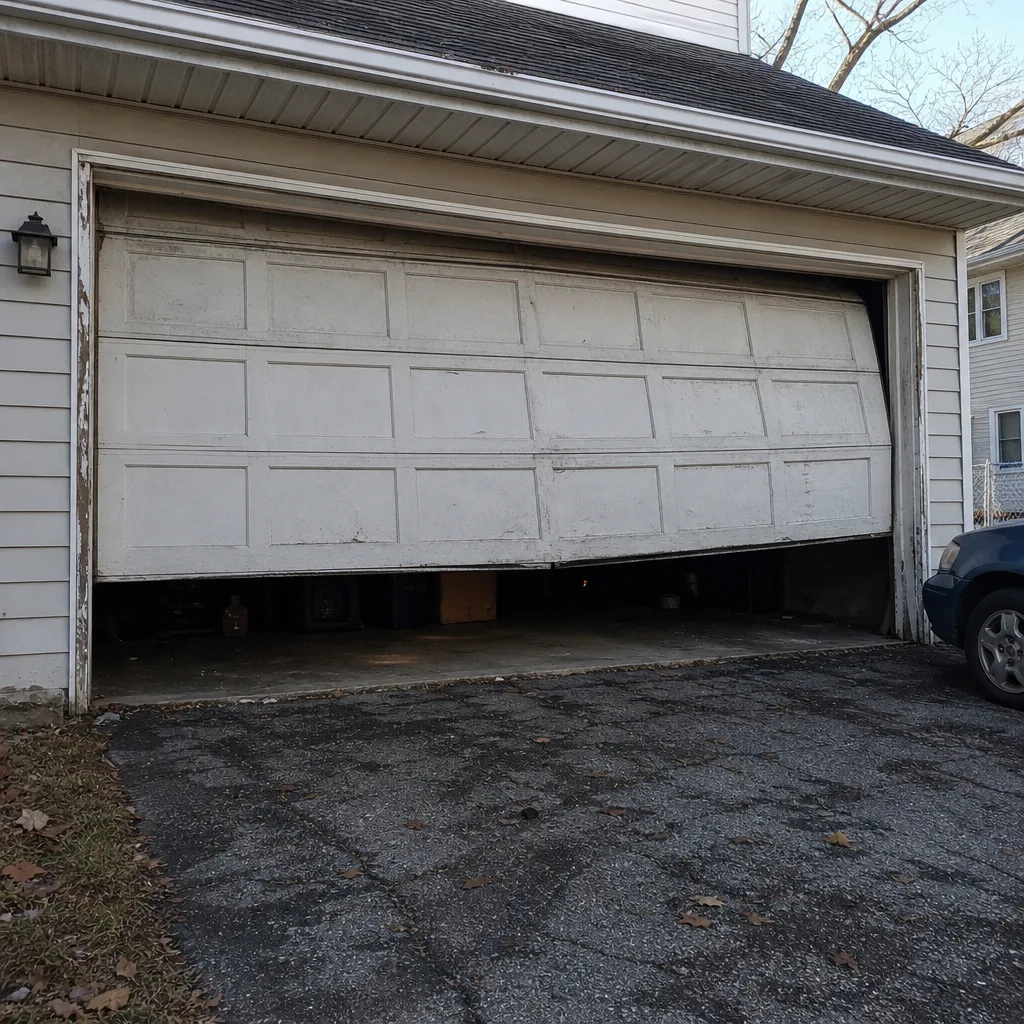 Before
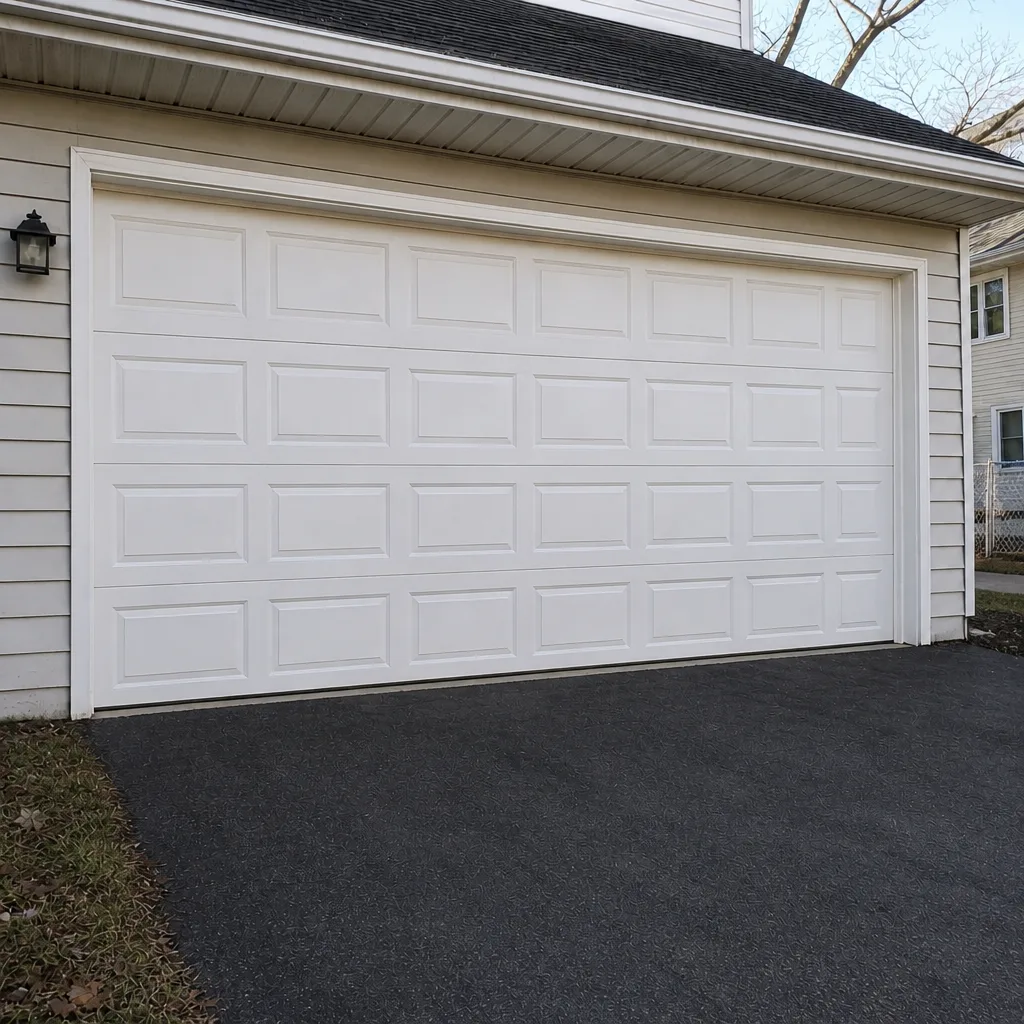 After
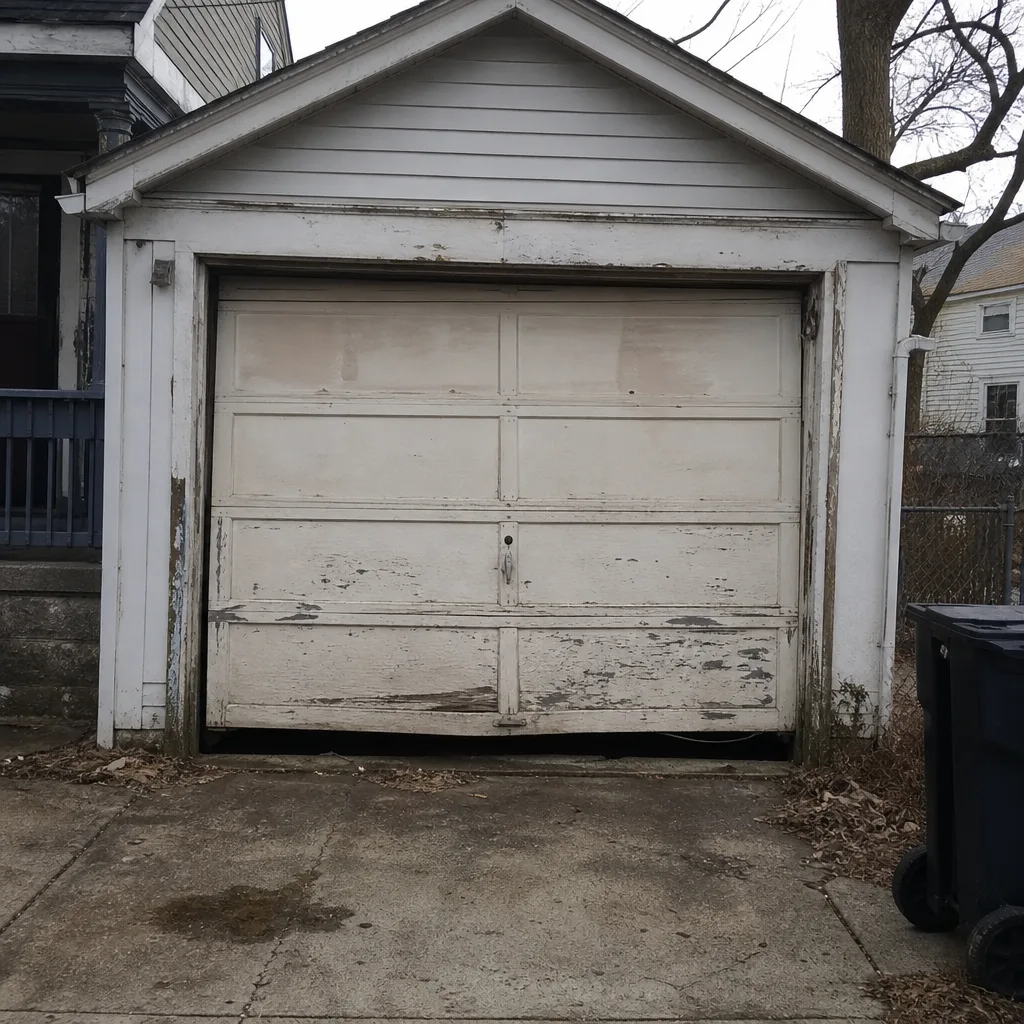 Before
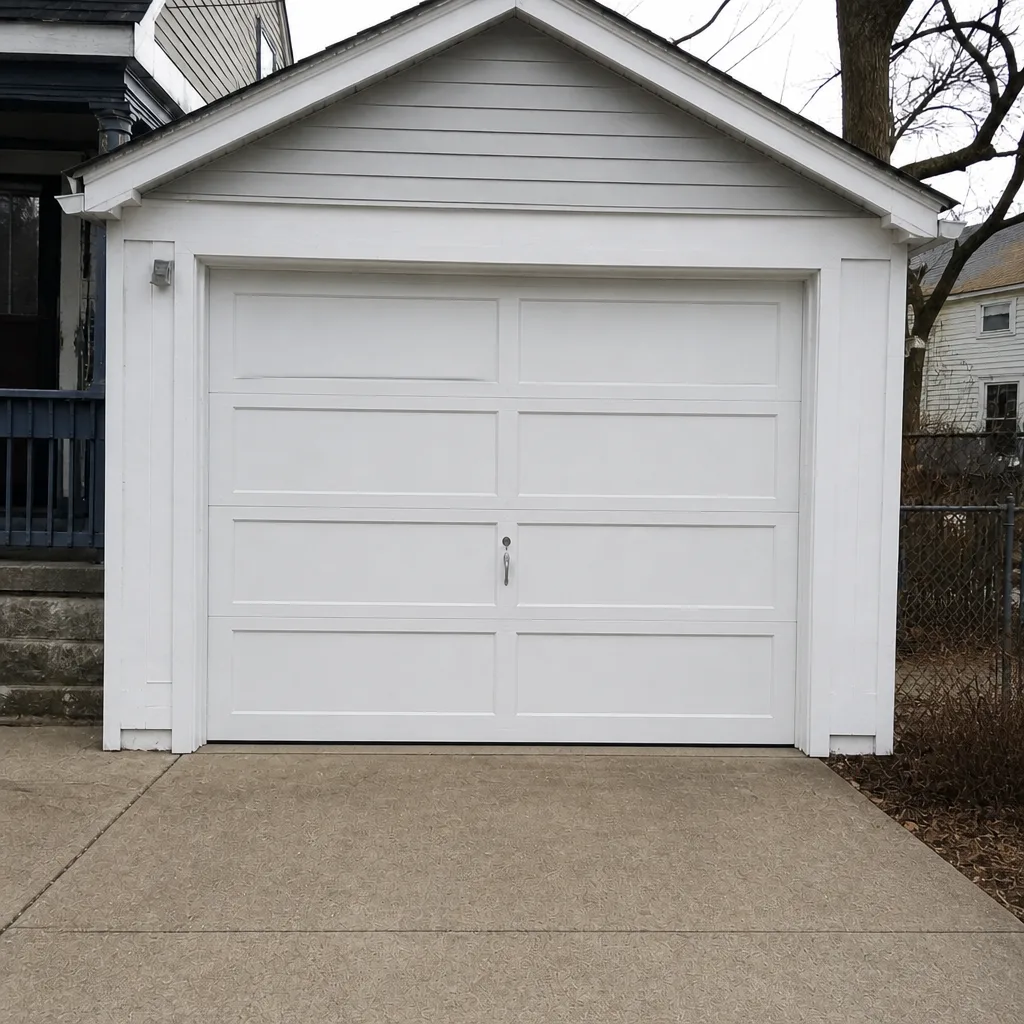 After
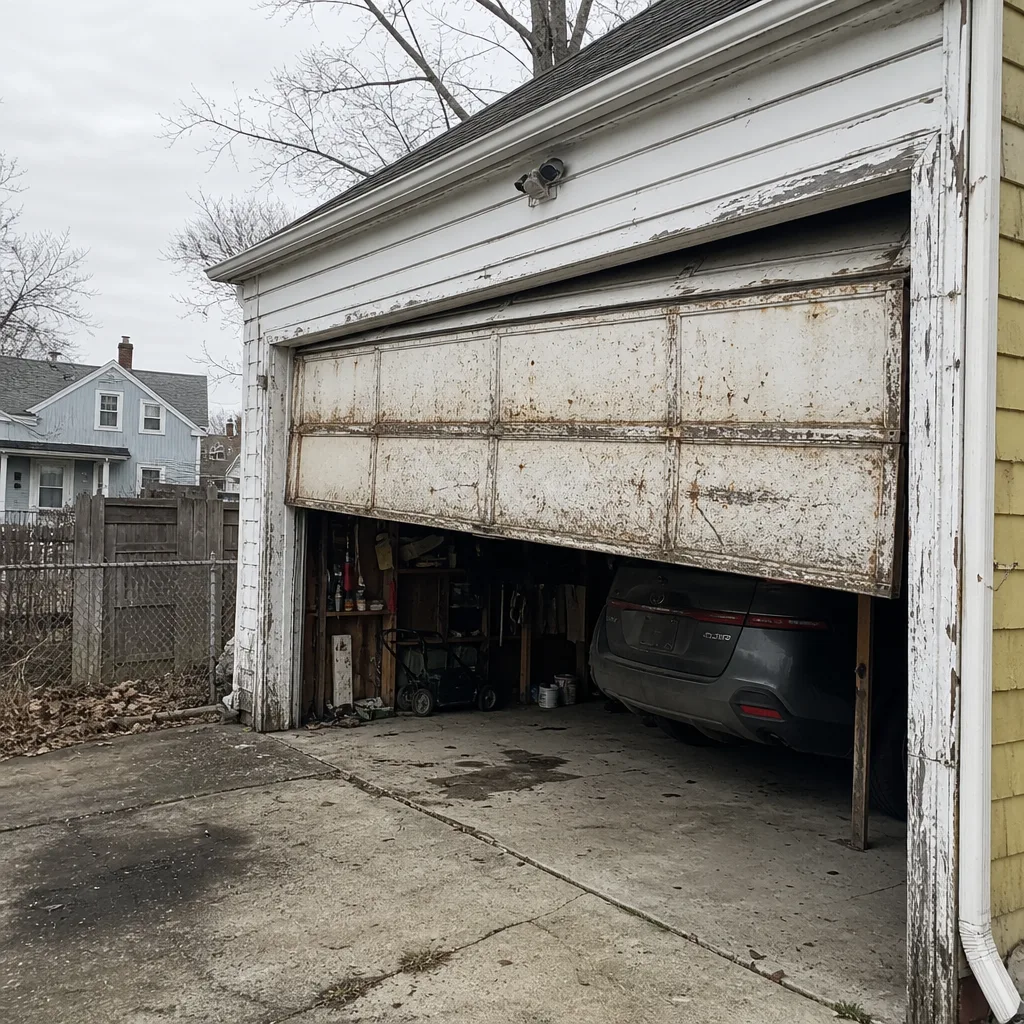 Before
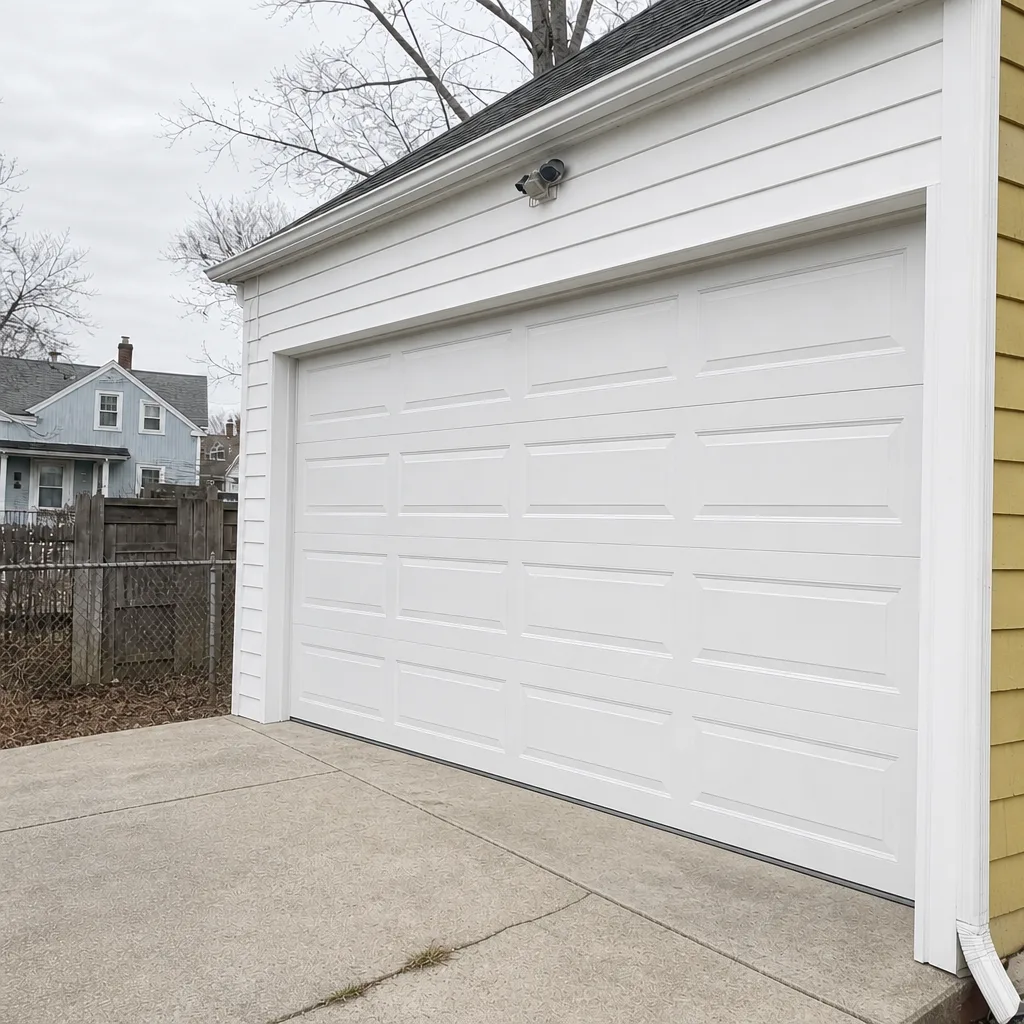 After
When to Call a Professional
Call a professional when the problem is in the spring or cable category, when the balance test fails, when the door won’t lift by hand, when you see a snapped cable, or when the opener keeps failing after you’ve reset limits and sensors. Also call before you decide on a new door, so a specialist can tell you whether the existing one is repairable or at the end of its life. Roslindale Garage Door Repair offers free estimates in Roslindale. When you call, describe the behavior rather than the part (“the door reverses halfway down” rather than “the sensor is broken”), and you’ll give us a head start on diagnosis. We bring brand-specific knowledge for LiftMaster, Chamberlain, Genie, and other major brands, and our technicians have up to 14 years of experience. Call (844) 944-1933 for a free estimate.
Frequently Asked Questions
We quote each job after seeing the door. The written estimate you get before any work starts is the price. Typical repairs fall into a few broad groups: sensor and limit switch adjustments run low, roller and track repairs in the middle, and spring or cable replacement carries a higher cost because of the labor and hazard involved. We don’t bill by the hour with surprises tacked on. Call (844) 944-1933 for a free estimate, and we’ll talk through what your symptom points to.
For urgent failures like a broken spring or a door that won’t close, we book as quickly as we can and we can often schedule same-day service. A door stuck open is a security issue and we treat it that way. Call (844) 944-1933 and describe what you’re seeing so we can prioritize it correctly.
No. We quote and agree the price before any work starts. If the diagnosis on arrival turns up something the phone conversation couldn’t have predicted, we explain it and you decide whether to go ahead; the agreed estimate stands for the job as scoped. You’ll never get an invoice bigger than the quote without you approving the change first.
The local professional who performs the work is licensed and insured as their state requires, and our technicians have up to 14 years of experience with every brand we service. We handle spring work, opener repair, and full installation under one roof rather than passing you to a second contractor. Call (844) 944-1933 with any questions before booking.
Almost always a safety sensor issue: an obstruction, dirty lens, or misalignment of one of the two sensor eyes near the floor. Check for debris and wipe the lenses, then look at the indicator lights. If the door still reverses, the sensor wiring or the opener’s force limit is the next suspect. If neither resolves it, call (844) 944-1933 for a diagnosis.
A sharp bang followed by a dead door is the classic sign of a broken torsion spring, so don’t try to lift the door or adjust anything yourself. Keep the area clear and call a specialist. A broken spring is a straightforward repair with the right tools but a serious hazard without them. Call (844) 944-1933 and describe the sound and the door’s position.
The Bottom Line
The core of troubleshooting is matching the symptom to the mechanism. A reversing door is a sensor or limit switch problem. A failed balance test or a bang followed by a dead door is a spring or cable problem. A grind or rattle is rollers and tracks. That mapping tells you whether you’re facing a safe five-minute fix or something that needs a specialist on-site immediately. Roslindale’s freeze-thaw cycle adds wear to bottom seals and weatherstripping that’s easy to miss, so inspect those each season. Do the safe maintenance, respect the tension, and call us when the decision tree points that way. Our team at Roslindale Garage Door Repair is here to help, whether it’s a repair today or an honest assessment before you replace a door.
One call covers everything: repair, opener work, spring replacement, new door installation, and parts. If you’re a homeowner or property manager in Roslindale or nearby, call (844) 944-1933 for a free estimate and a straight answer about what your door needs.
Written by the team at Roslindale Garage Door Repair.