Last updated November 21, 2026
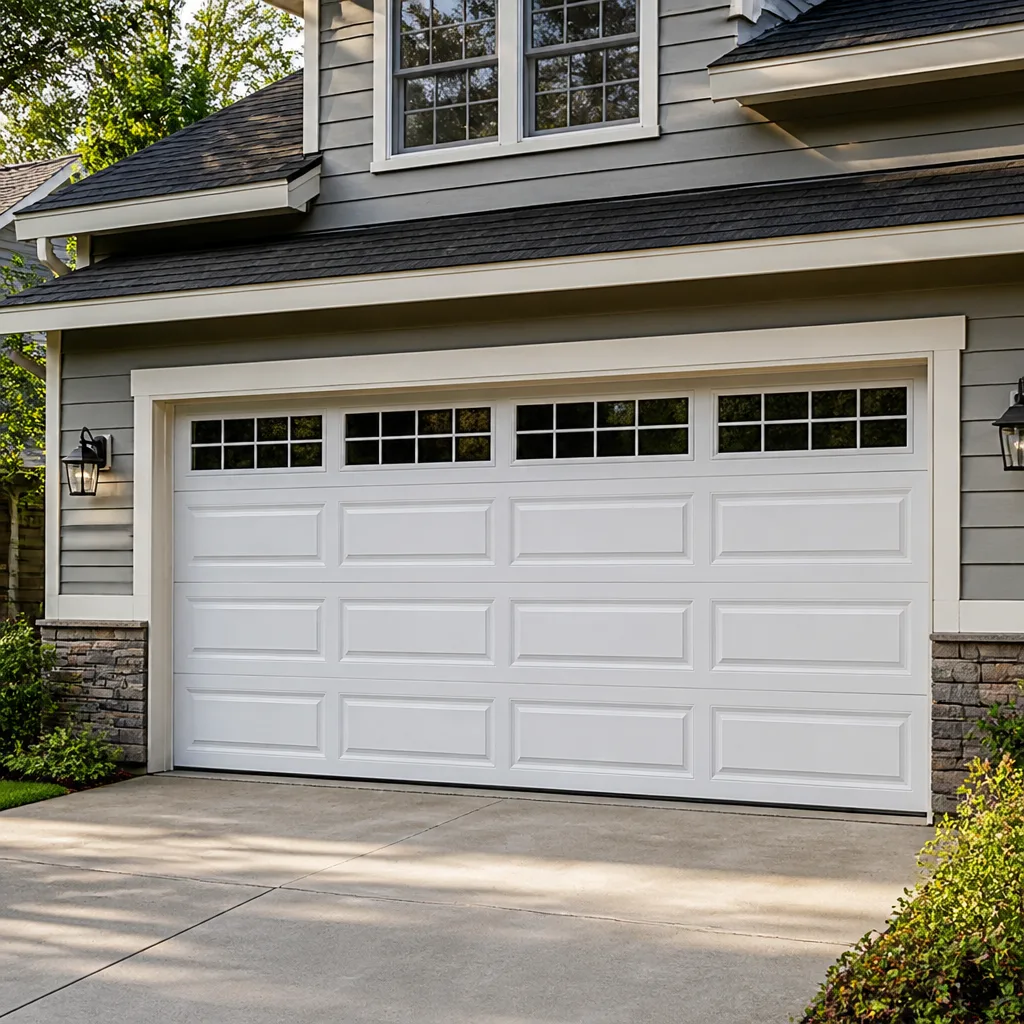 Raised-panel steel
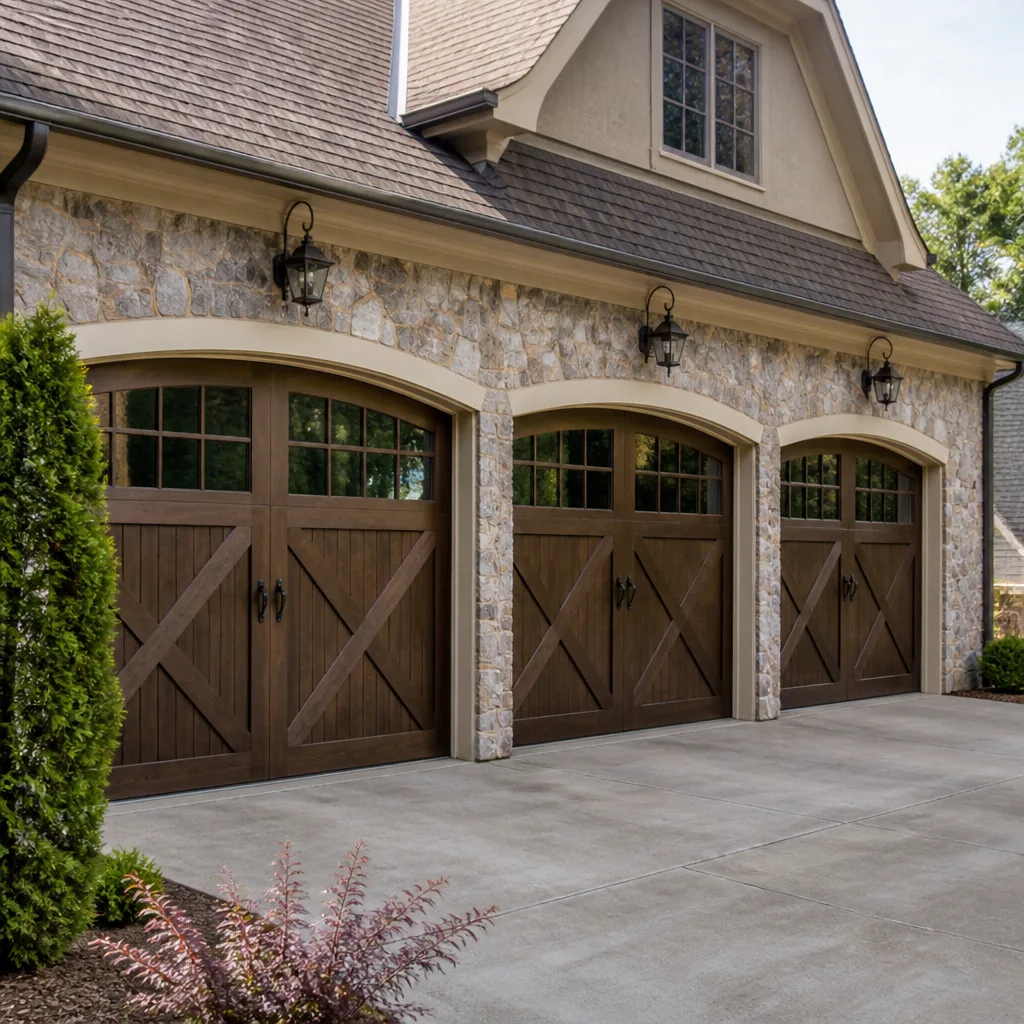 Carriage house
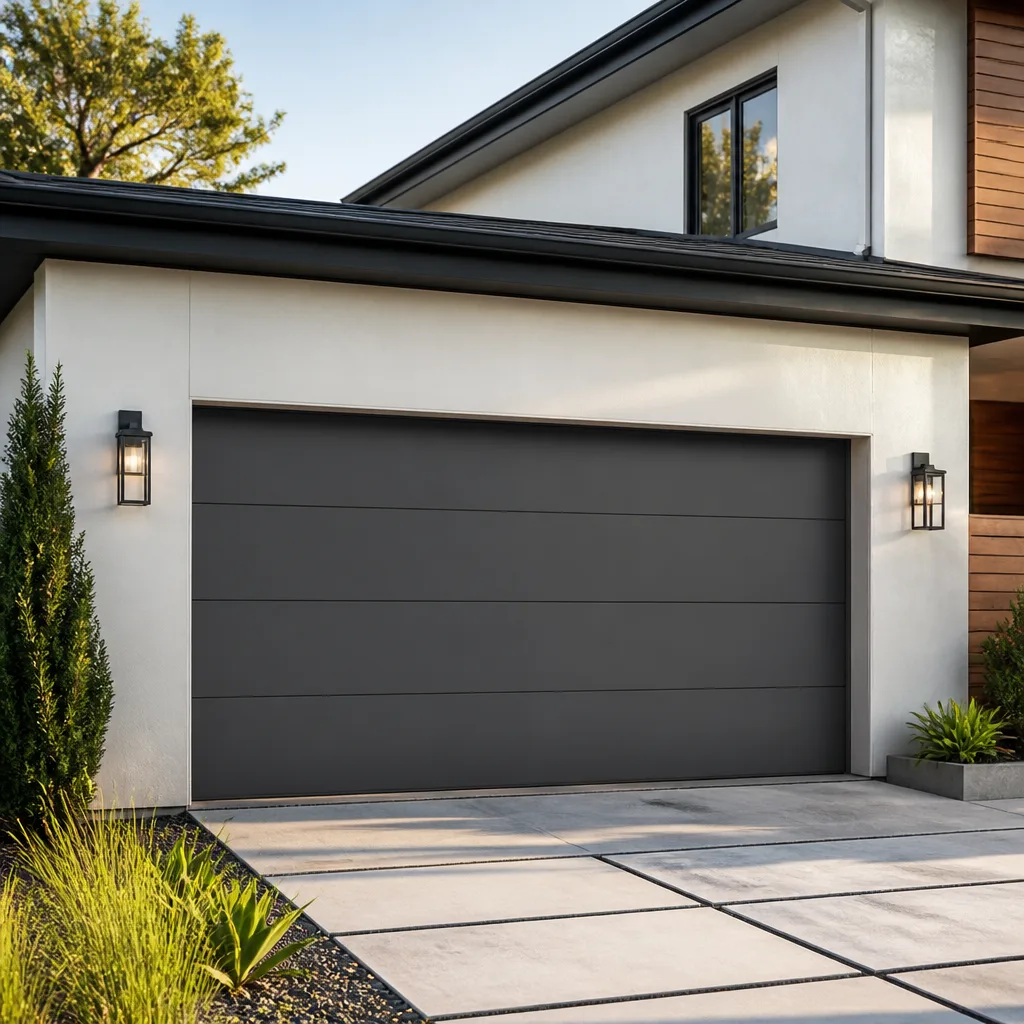 Modern flush
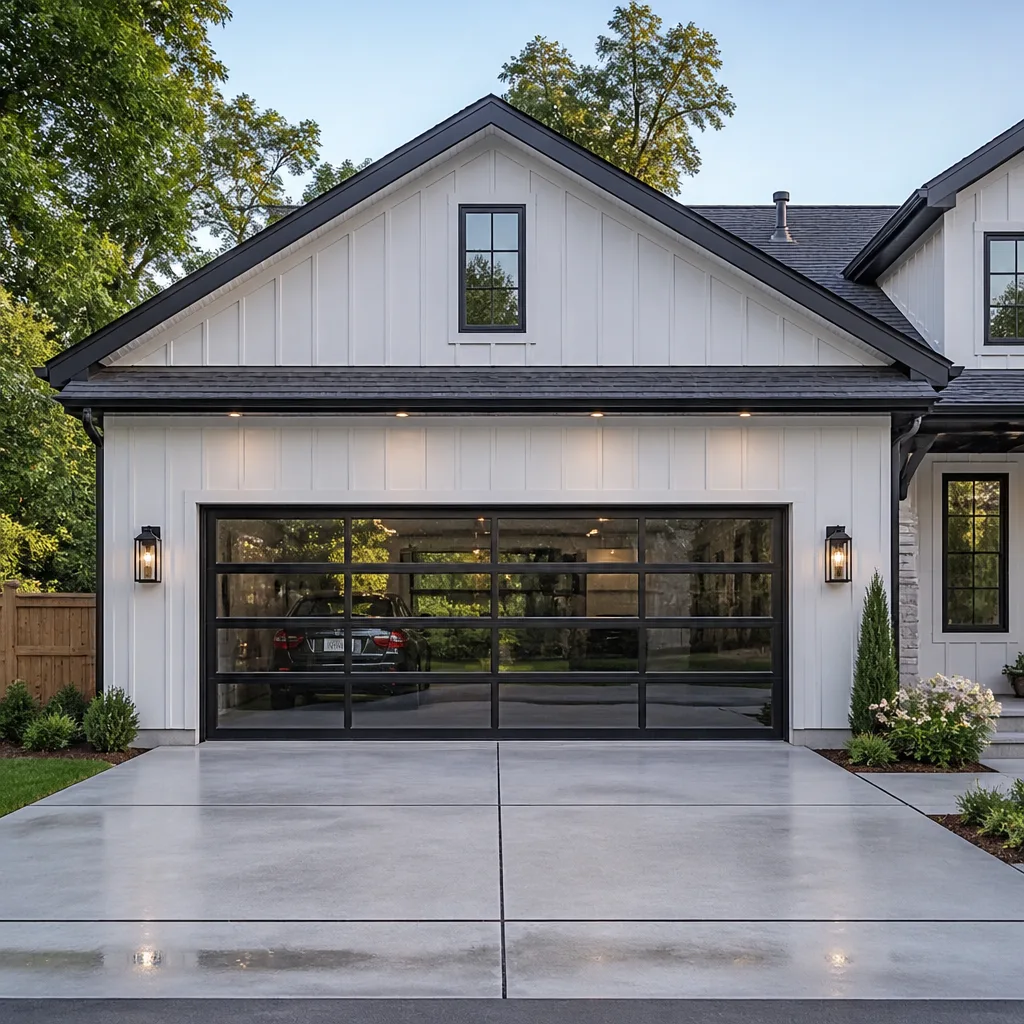 Full-view glass
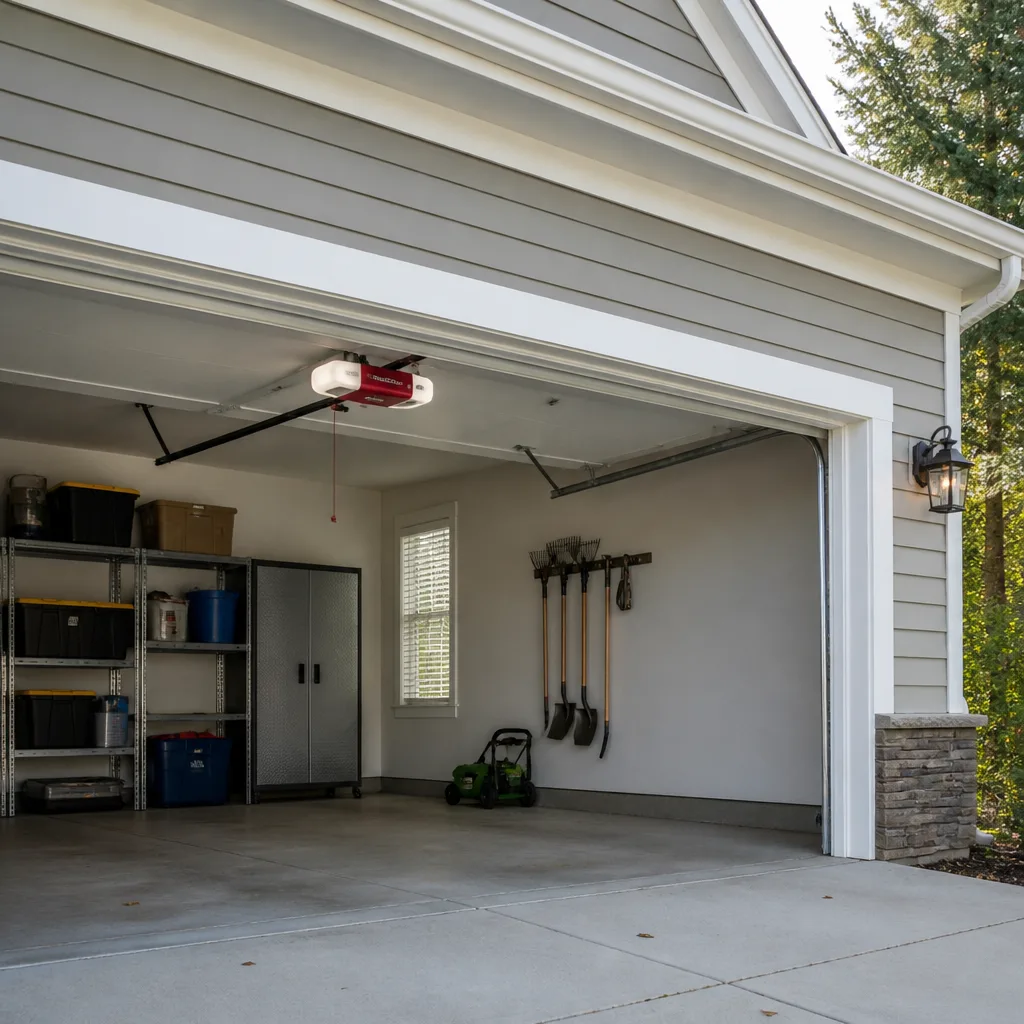 LiftMaster openers
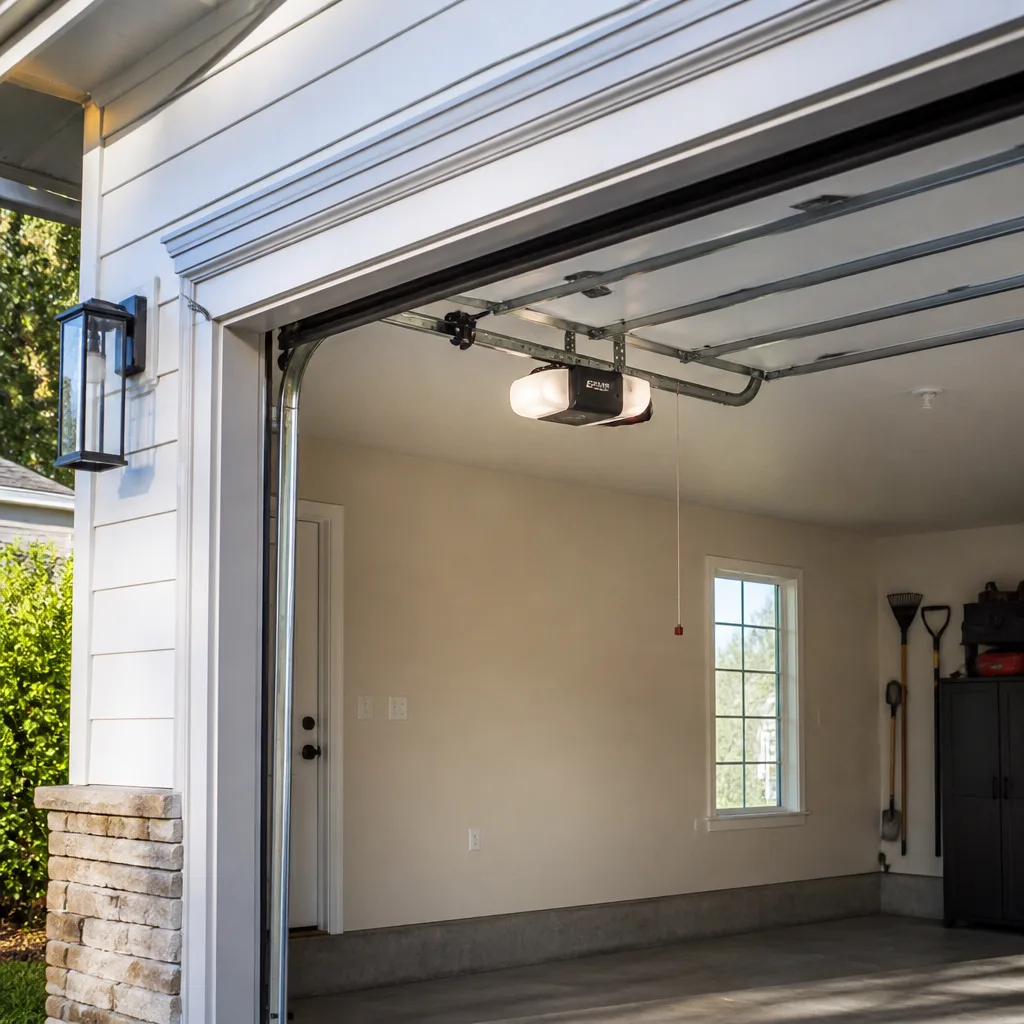 Chamberlain openers
Full 25-point door and opener safety check with every visit - springs, cables, rollers, tracks, and your LiftMaster or Chamberlain opener included
You get a price before we start. It does not change when the pro arrives.
Get your free estimateGarage Door Emergency Preparedness Guide for Roslindale Homes
A door off its tracks with a car underneath it is a different emergency than a door that won’t open before a workday. One requires you to stop touching it immediately; the other has a workaround that gets you moving in five minutes. Treating them the same is how a small problem turns into an expensive one. In Roslindale, where a lot of homes sit on tight lots with driveways that double as the main entry, a stuck door has a way of deciding your whole morning. This guide walks you through your first ten minutes with each situation, the moves that are safe, and the ones that make things worse. You’ll also learn what to have ready when you call, and how to secure a door stuck open while you wait.
Quick Answer
A garage door emergency in Roslindale usually falls into one of two buckets: a door that’s stuck but stable, where you can safely wait for a technician, or a door with a snapped spring, a cable off the drum, or a panel hanging off the tracks, where the hardware is under load and you should keep everyone clear and stop operating it. A stable door that won’t open often has a manual release you can use to get moving. A door that’s off track, sagging, or making a sharp bang should not be cycled by hand or by opener. When in doubt, treat it as the dangerous kind, keep cars and people out of the opening, and call a specialist.
Styles & brands we work with
- Raised-panel steel
- Carriage house
- Modern flush
- Full-view glass
- LiftMaster openers
- Chamberlain openers
Table of Contents
- Your First Ten Minutes: The Two Kinds of Garage Door Emergency
- Snapped Spring: What to Do and What Never to Do
- Cable Off the Drum
- Door Stuck Open: Security Protocols While You Wait
- How to Manually Disengage Your Opener Safely
- Winter Emergencies in Roslindale: A Door Frozen Shut
- Door Off Track: Stop and Stabilize
- What to Have Ready When You Call
Your First Ten Minutes: The Two Kinds of Garage Door Emergency
The first thing to sort out in any garage door emergency is whether the door is stable or under load. That distinction decides everything you do next. A stable door is stuck in one position, sitting flat in its opening or fully closed, and isn’t sagging, tilted, or making alarming sounds. An unstable door has visibly failed hardware: a hanging cable, a broken spring, a panel that’s jumped the track, or a door that’s leaning. Stable means you have time to think. Unstable means stop.
Here’s the short version of that first ten minutes:
- Look before you touch. Stand outside the door path and look up. Is the door level? Are the cables hanging loose on either side? Are the springs above the door unbroken and taut, or is one clearly snapped?
- Get cars and people clear of the door’s travel and the area directly below any springs or cables.
- Don’t cycle the opener to “test” a door that looks wrong. A failing door under opener power can drop a panel or snap a cable with no warning.
- Decide the bucket. Stable and stuck? You probably have a manual-release option. Unstable? Skip to stabilization and call.
- Call with details. The more you can tell a technician, the more likely the first visit is the fix.
In our experience, most homeowners’ instinct is to hit the button again to see if it fixes itself. Resist that. A door that stopped mid-cycle has a reason, and repeating the cycle rarely cures it – it just adds stress to already tired hardware. Roslindale’s older homes often have doors that have been through dozens of winters, and tired springs are the usual culprit.
Snapped Spring: What to Do and What Never to Do
A snapped spring is the most common garage door emergency we see, and it’s the one where people get hurt. A torsion spring sits above the door and stores enough energy to lift hundreds of pounds. When it breaks, that stored tension releases in a snap you can hear from inside the house. It doesn’t just stop lifting the door – it leaves the entire weight of the door unassisted, held by whatever’s left.
Here’s what a snapped spring usually looks like. The door won’t lift, or lifts a few inches and stops. A torsion spring above the door shows a clear gap where it’s separated, or a coil has visibly jumped. An extension spring runs alongside the track and may be stretched flat or hanging loose.
What to do:
- Leave the door where it is. Don’t force it up or down.
- Disconnect the opener’s power by unplugging it at the wall, so nobody accidentally cycles the door.
- Keep the area clear and wait for a trained technician.
- Note the spring type – torsion above the door, or extension along the tracks – so the tech can bring the right parts.
What never to do:
- Never loosen, cut, or try to “help” a broken spring. It is still under load, and spring work is genuinely dangerous. This is the job general handymen decline for good reason.
- Never pull the door up by hand to “just get the car out” if it feels heavy. If it takes real effort, it can come down hard.
- Never run the opener with a broken spring. The opener motor will try to lift twice what it was built for.
Spring repair is one of the reasons a specialist matters here. We work on torsion and extension springs as core work, and our technicians have up to 14 years of experience with them. A spring replacement should also include a check of the door’s balance and the cables, which is where a generalist will usually stop short.
Cable Off the Drum
If you look at either side of a garage door and see a steel cable hanging loose or wrapped unevenly at the top of the track, you have a cable problem. It’s a close cousin of a snapped spring, and it’s just as serious. The cables work with the springs to hold and lift the door, so a slack cable on one side means the other side is doing all the work, and the door can drop or tilt.
Cable-off conditions normally show up as:
- A visibly loose, winding, or tangled cable at the drum above the track.
- A door that feels crooked or lifts unevenly.
- A loud bang followed by a door that won’t lift.
Treat this like the snapped spring. Don’t touch the cable, don’t cycle the opener, and don’t force the door. A hanging cable can whip when tension releases, and it can also catch a person or a car. The right response is to keep clear, unplug the opener, and book a technician. When you call, say “cable” specifically. It tells the dispatcher to put the right skill on the job, and it signals that the door shouldn’t be used in the meantime.
Because we’re a garage door specialist and not a handyman service, cable and spring work is on our regular menu. Generalists often skip cables precisely because they’re under load, so you don’t want to be bounced from one call to another in the middle of a broken door.
Door Stuck Open: Security Protocols While You Wait
A door stuck in the open position is its own kind of emergency. It’s a security problem before it’s a repair problem. The door’s contents – a car, tools, bikes, whatever’s stored back there – and the door between your garage and your house are both exposed. The concern is real: an open garage is often the easiest way into a house, because that door is a lot easier to breach than a front door.
Temporary measures that actually help, in order:
- If the door will physically close by hand safely, close it. If it’s a stuck-open door that isn’t under load and the opener won’t run it back up, closing the door by hand and leaving the opener disconnected is the simplest fix. Only do this if the door moves freely and doesn’t feel heavy. A door that feels heavy or uneven is under load – don’t.
- Block the opening from the inside with a car parked flush against it, if you can get one in. A parked car across a garage opening is a real physical barrier.
- Lock the door from inside her to house if there’s a connecting door. That interior door is often flimsy; adding a door bar or a heavy chair wedged under the handle adds resistance.
- Take valuables out of sight – tools, bikes, and anything visible from the driveway. An open door broadcasts what’s inside.
- Set up a light or noise deterrent in view of the opening. It’s not a guarantee, but it changes the odds.
- Leave a car in the driveway if you’re not using it – a car parked nearby with a light on suggests occupancy.
Don’t leave the house empty overnight with a wide-open garage if you can avoid it. And don’t try to prop the door down with a heavy object as a “lock.” That just creates a door that can crash if the support tips. Security while you wait is about barriers and visibility, not hardware fixes.
How to Manually Disengage Your Opener Safely
This is the section that turns a stuck door from a disaster into a workaround. Every modern opener – LiftMaster and Chamberlain among them – has a manual release, usually a rope hanging from the carriage above the door. Pulling it releases the door from the opener so you can lift and lower it by hand. When the door is stable, this is how you park the car or head to work.
How to do it safely:
- Locate the release rope hanging from the opener rail – a red or black handle above the door.
- Pull it straight down with a firm, even pull. You may hear a click as the carriage releases.
- Lift the door by hand from the bottom, using both hands and keeping fingers away from the joints.
- Lift it fully open and prop or hold it. A stable door lifts with manageable effort; if it takes everything you have, stop and lower it.
- To reconnect the door to the opener later, run the opener until the carriage re-engages (on most openers, pulling the emergency cord again or cycling the opener re-latches it).
Two situations where you should not do this, even if you know how:
- The door feels heavy, uneven, or you heard a bang. That means a spring or cable is compromised. The door is under load, and a door that drops in this state can injure people or damage a car. Keep everyone clear and call.
- The door is visibly off track or tilted. Pulling the release and lifting won’t solve an off-track door – it can drop the door further out of its tracks and turn a track repair into a full panel replacement.
When the door is stable and not under load, manual release is a controlled, reversible move. When it isn’t, hands off.
Winter Emergencies in Roslindale: A Door Frozen Shut
Roslindale winters make one specific garage door emergency routine: a door frozen shut at night, with a car inside you need to use. The ice binds the bottom seal to the slab, or freezes the door in its tracks. The instinct is to hit the opener harder or yank the door up. Both are bad ideas – the opener can burn out or strip, and yanking can tear the seal or bend the bottom panel.
What actually helps, in order:
- Stop cycling the opener. If the door won’t move, repeated cycles put the motor and carriage under repeated strain.
- Break the ice bond at the seal. Use a plastic scraper or a stiff brush along the bottom edge to loosen the seal from the ground. A light warm-water pour along the bottom edge (not inside the track) can free the seal; don’t stand in it, and dry the area.
- Check the tracks and rollers for visible ice. Freezing in the track, not the seal, is the other common failure.
- If the door still won’t move safely, leave it. A frozen door that won’t free with a gentle approach should be left for a technician rather than forced.
Once a door is freed, a few habits help prevent the repeat. A coat of silicone spray on the bottom seal and a quick pass over the rollers and hinges limit the ice bond. Keep the track ends free of snow and ice, and don’t let a pile of shoveled snow sit against the door. If one winter storm freezes your door twice, look at the seal – an old, worn seal is the usual suspect, and replacing it is small work compared to a door stripped from force.
If your door is frozen because the opener won’t run at all, that’s a different call. garage door opener repair covers the diagnosis side; the opener itself may be fine and the door may just be binding in ice. Telling us which one is stuck – the door or the motor – saves a wasted trip.
Door Off Track: Stop and Stabilize
A door that’s come off its tracks usually announces itself with a loud pop and a door that sits at an angle. It might be one panel jumped over the roller, or several. The door is no longer supported by its hardware, and lifting or forcing it can drop a panel on a person or a car. This is the “stop touching it immediately” category.
What to do:
- Keep everyone, especially kids, out of the door’s path.
- Disconnect the opener at the wall and leave the door where it is – don’t cycle it.
- If the door is hanging, don’t walk under it. Close the interior door to the garage if possible.
- Call for a technician and describe the position: is the door fully down, partway up, or hanging? Is it one side or both?
Off-track doors are often the result of a knocked panel from a car bumper, a worn roller, or a door that’s been running while slightly out of balance. A door that won’t stay on track is nearly always a balance or hardware problem, and the fix is to reset the door in its tracks with new rollers or a panel, then rebalance it. It’s not a DIY job once the door has dropped – the door’s weight and the spring tension make it dangerous to maneuver by hand. Fixing a broken panel is easy; getting it off a person’s leg isn’t.
If the door needs new panels or a full door, that’s garage door installation territory, not a repair. It’s measured, ordered, and scheduled, so we won’t rush a replacement like an emergency repair. But a door sitting off track after a hit is worth a call as soon as you notice it – the longer it hangs unbalanced, the more of the door’s hardware is pulled out of true.
What to Have Ready When You Call
The quality of your first call drives whether a technician fixes it in one visit. A “door won’t open” call with no details can mean a second trip, because the tech can’t know which parts to load. Ten seconds of specifics at the start saves hours later. Here’s what to have ready:
- What the door is doing. Fully closed and won’t open? Open and won’t close? Partway and stopped? Stuck off track?
- What you can see. Broken spring above the door? A hanging cable on one side? A panel out of the track? The opener running but the door not moving?
- The door type and material. A sectional steel door from Amarr or Wayne Dalton, a wood door, an older Raynor door – each has different parts and repair paths.
- The opener brand. LiftMaster, Chamberlain, Genie, Craftsman – brand specifics speed diagnosis. We’re factory-familiar with these and a few others, so we’re not guessing from a generic manual.
- The door’s approximate size and any visible branding or model sticker on the door or opener.
- Whether the opener is powered and cycling but the door isn’t moving, or the opener is dead.
- Any noises – a bang, a grind, a hum – and when they happened.
If you can send a photo of the spring above the door, the drum area, or the lower track, even better. A technician who sees the failure before arriving brings the right spring or roller, which is the difference between a fix today and a second visit with a part on order. The parts supply side of what we do matters here: correct components come in directly, so repairs don’t stall waiting on a third party to locate a match.
Our technicians have up to 14 years of experience across Roslindale’s door mix, and being a single-trade company means the person on the call is a garage door specialist, not a generalist between jobs. That focus is what lets a first visit actually be the last one.
Common Mistakes to Avoid
- Hitting the opener again to “see what happens.” A door that stalled has failed hardware; repeating the cycle puts more load on already compromised springs, cables, or the motor. Stop and look first.
- Lifting a heavy door by hand to free the car. A door that feels heavy is under load or has a broken spring. It can drop without warning. If a door needs real effort to open, it isn’t a manual-release situation.
- Greasing the wrong part. Yelling at the opener isn’t the fix – but applying a heavy grease to springs or the carrier, or spraying oil into the tracks, attracts dirt and turns a quiet door into a grindy one. Silicone on the right parts, sparingly, is the better approach.
- Treating a cable or spring failure like a door adjustment. These are under tension and genuinely dangerous. It’s why spring repair is a specialist’s job rather than something a standard handyman will take on.
- Propping a stuck-open door with a heavy box or a broom. It doesn’t secure the garage, and if the prop fails, the door comes down on whatever’s underneath. Use a car as a barrier instead.
- Ignoring a door that’s running rough but still opens. A door with a wobble, a grind, or an uneven lift is telling you about a roller or balance issue before it becomes a stuck door at 7am.
- Calling without details and getting a second trip. If you can say “torsion spring snapped above the door” instead of “won’t open,” the tech can carry the right spring in on the first visit.
See the difference
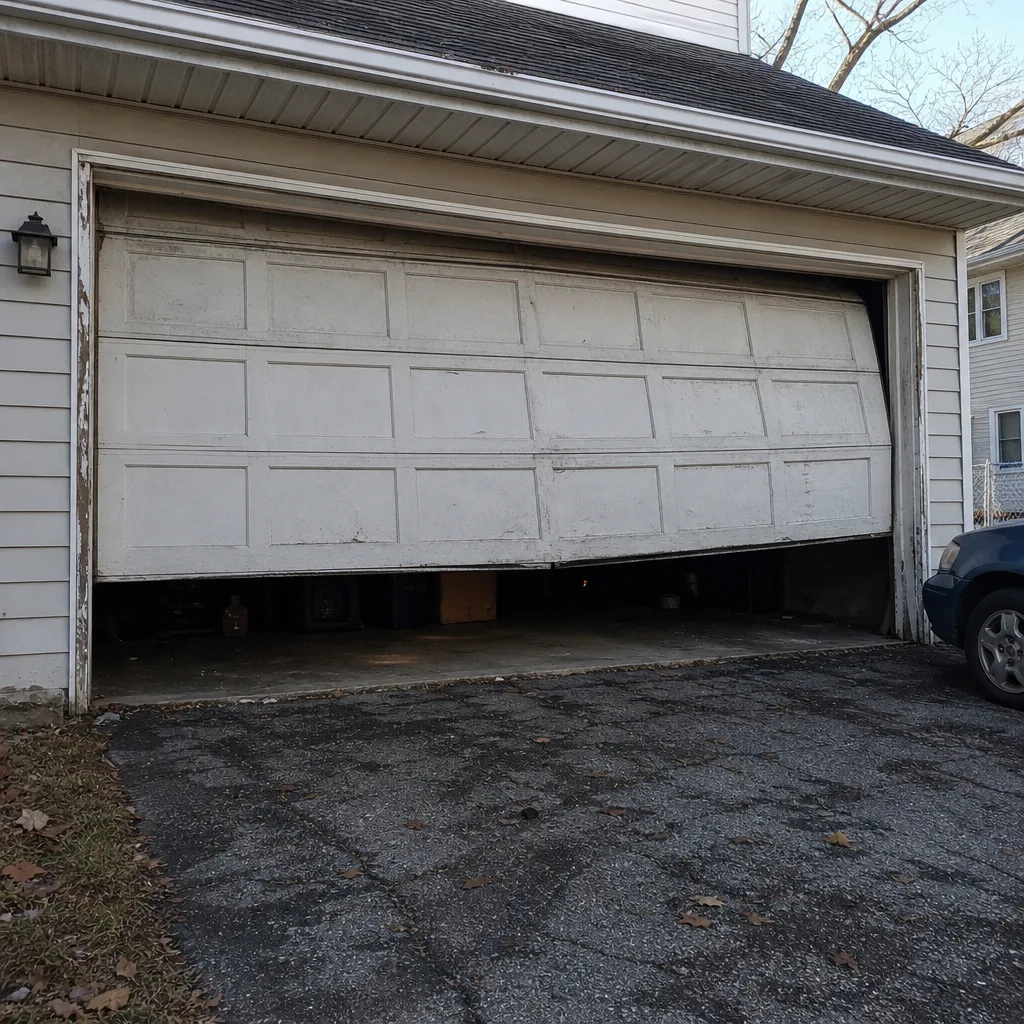 Before
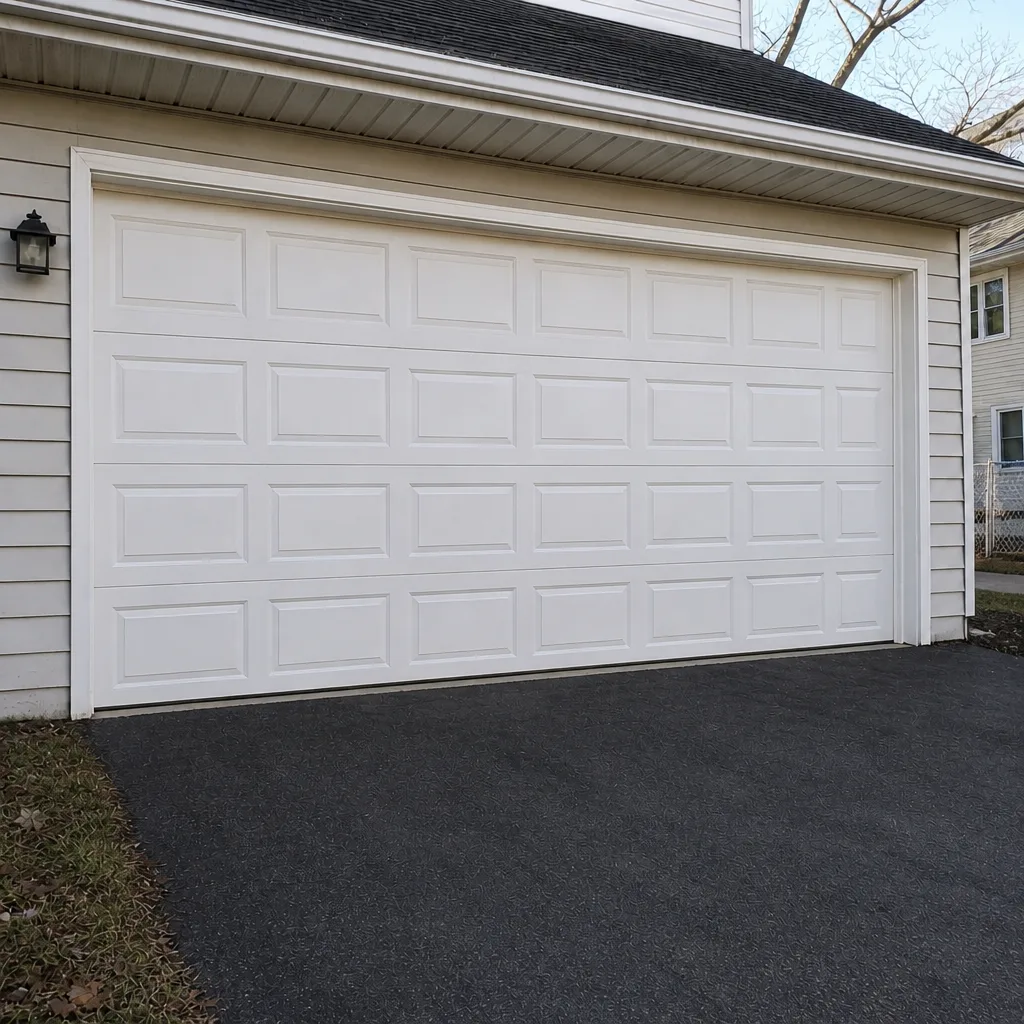 After
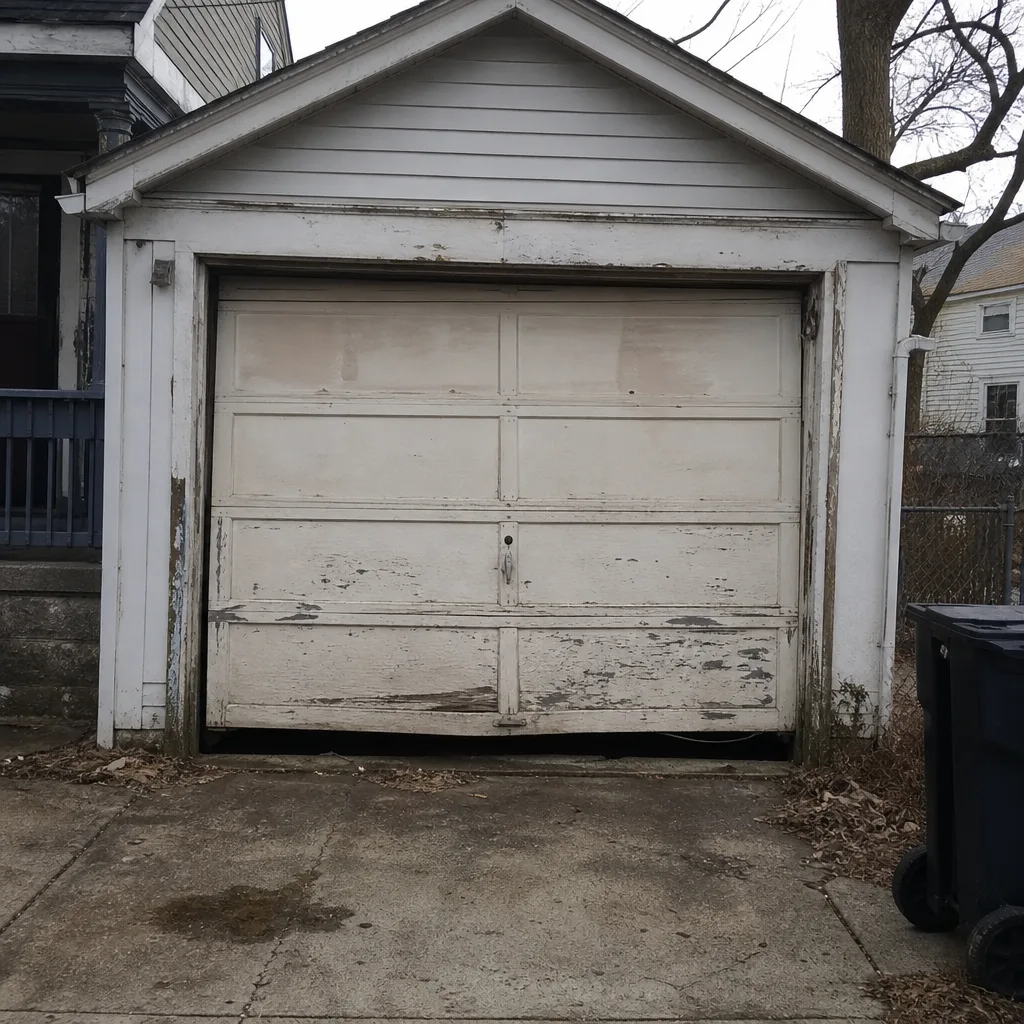 Before
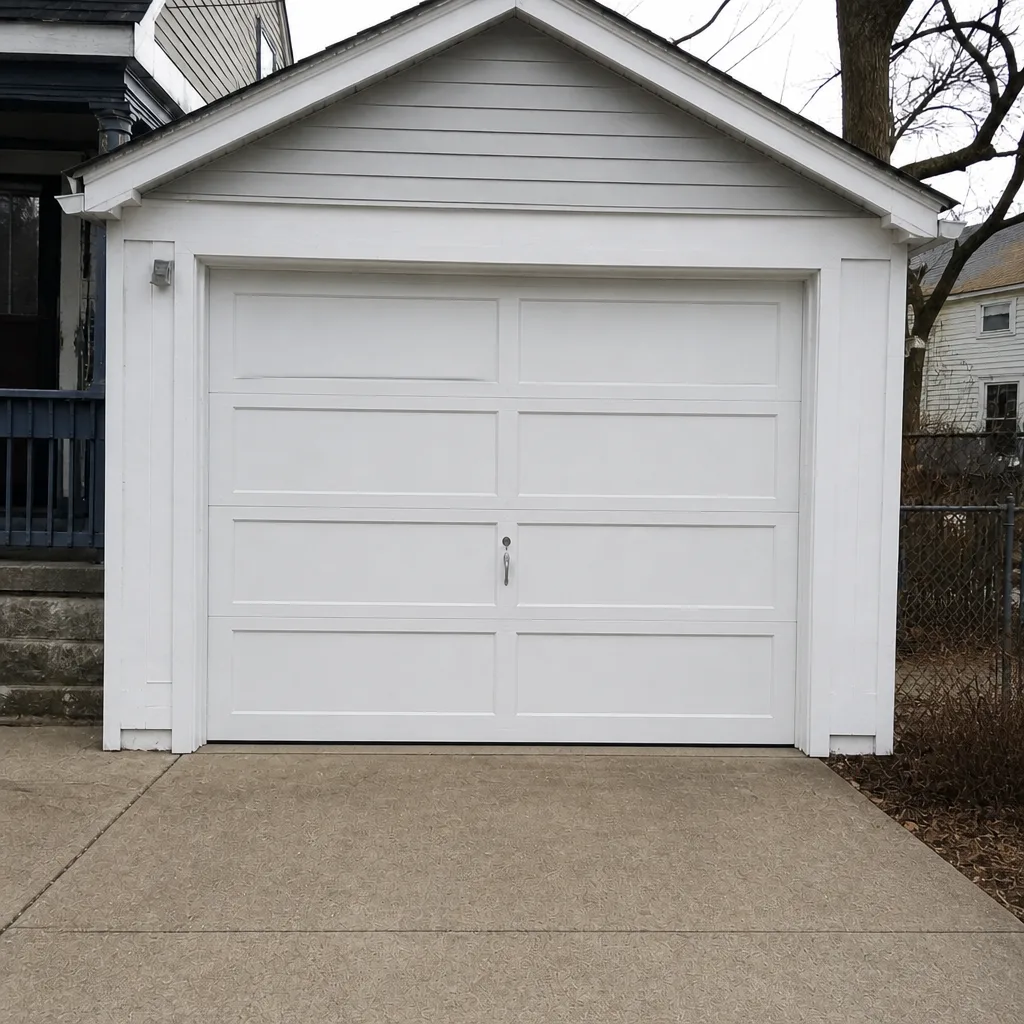 After
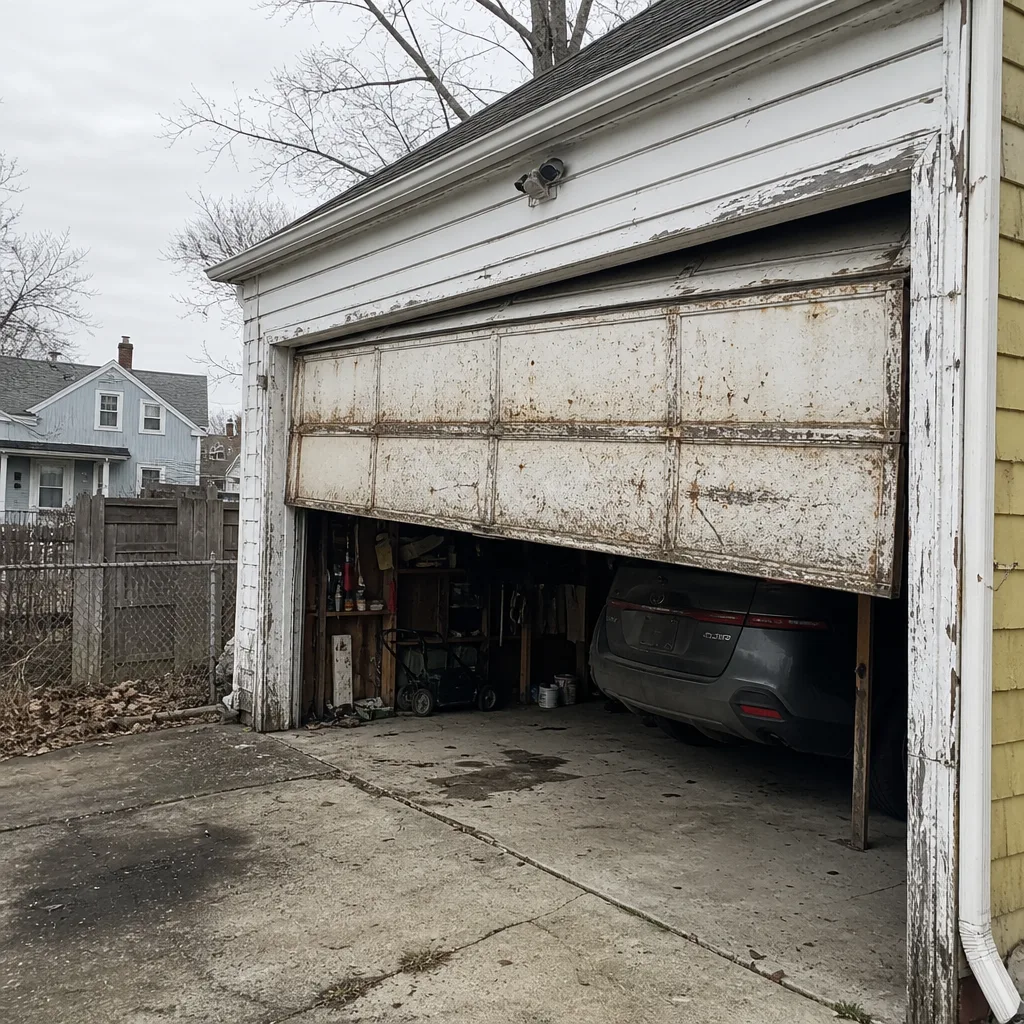 Before
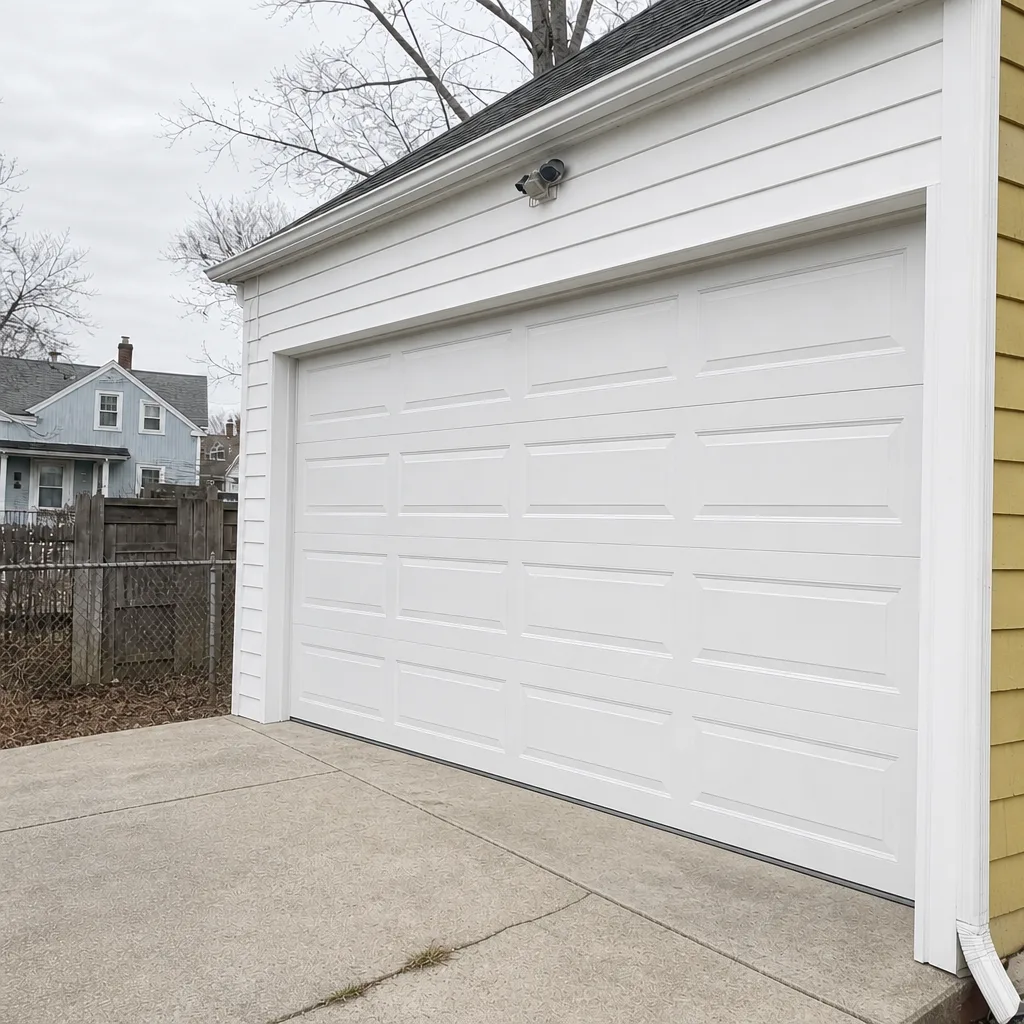 After
When to Call a Professional
Call a professional whenever the door is under load or won’t operate safely. That means any snapped spring, any cable hanging loose, any door off track, and any door that feels heavy or drops on its own. It also means a door that’s been cycling rough for weeks, an opener that hums but won’t move the door, and a door that’s frozen stuck despite a careful attempt to free it. These are the cases where forcing the issue turns a repair into a replacement. If you’re unsure, err on the side of calling. It costs nothing to ask, and it’s a lot cheaper than a crushed fender or a bent panel.
Roslindale Garage Door Repair is a residential garage door specialist, and we handle repair, springs, openers, doors, and parts. Roslindale Garage Door Repair offers free estimates in Roslindale – call (844) 944-1933. Same-day service is available for repair and emergency work, with fast dispatch from 7am to 7pm. Before any work starts, we quote the price and get your agreement, so there are no surprises after the door is up.
For a stable but stuck door, the standard garage door repair covers diagnostics and the fix, and a door that can’t wait gets priority. We work on your brand – LiftMaster, Chamberlain, Genie, Clopay, Amarr, Wayne Dalton, Craftsman, and Raynor – so a broken carriage from a familiar opener doesn’t send us hunting. One call covers everything, from a snapped spring to a panel replacement to a door that needs to be replaced entirely.
Frequently Asked Questions
Stop operating the door and disconnect the opener by unplugging it, then keep everyone clear and call a garage door specialist. A snapped spring leaves the door’s full weight unassisted, and the remaining spring is still under load. Don’t try to lift the door by hand or “help” the spring – that’s the most dangerous job in this trade. Replacing one spring typically runs $180 to $340 for a single spring, and a matched pair is usually replaced together at about twice that. Call (844) 944-1933 for an exact quote – estimates are free.
Yes, we can get to a repair or emergency call the same day, with fast dispatch from 7am to 7pm. For repair work like a snapped spring, a cable off the drum, or a door stuck open, call as soon as you notice the problem; the sooner it’s booked, the more likely it’s fixed today. Call (844) 944-1933 and tell us what the door is doing.
It depends on the cause, but a garage door repair in Roslindale typically falls in a mid-hundred range for common failures like a broken spring or a cable issue. A single torsion or extension spring replacement is typically $180 to $340, while a matched pair costs about twice that. Opener repairs are usually quoted separately. The written estimate sets the final price, and the price is agreed before any work begins. Call (844) 944-1933 for an exact quote – estimates are free.
No, the price we quote and agree with you before the work starts is the price you pay for that work. If diagnosis turns up something else – say a worn roller underneath a broken spring – we’ll explain it and get your agreement to any additional work before touching it. We quote first, then repair.
The local pros we connect you with are licensed and insured as their state requires and are focused specifically on garage doors. Our technicians have up to 14 years of experience with spring, cable, opener, and door work, and we’re factory-familiar with eight major brands so the right part shows up on the first visit. Call (844) 944-1933 if you’d like details before booking.
First, decide whether the door is stable or under load. If there’s no hanging cable, snapped spring, or visible damage and the door lifts by hand with manageable effort, pull the manual release rope hanging from the opener carriage and lift the door by hand. If the door is frozen to the floor, loosen the bottom seal gently and break the ice bond before lifting. If the door feels heavy or the hardware looks wrong, don’t force it – call (844) 944-1933 and we can schedule service.
The Bottom Line
The single most useful thing you can do in a garage door emergency in Roslindale is decide, in the first minute, whether the door is stable or under load. Stable means a manual release, a careful hand, and a workaround that gets you moving. Under load – snapped spring, loose cable, door off track – means hands off, area clear, and a call. Most expensive outcomes start with someone forcing a door that was telling them to stop. Know your door’s type, your opener brand, and have the details ready when you call, and the first visit is usually the last one. When you need help, call (844) 944-1933 for a free estimate.
Written by the team at Roslindale Garage Door Repair.